Website Lead Recovery
update

Website Lead Recovery

update
  • Home
  • Categories
    • Recover Lost Website Visitors
    • Customer Acquisition Advertising
  • All Posts
  • Recover Lost Website Visitors
  • Customer Acquisition Advertising
July 08.2026
12 Minutes Read

Customer Acquisition Advertising — How Display Advertising Introduces Your Business To New Customers

Imagine this: A potential customer lands on your website, browses for a few moments, and then clicks away—perhaps to answer a text, make a cup of coffee, or compare your product with others. This scene plays out for nearly every business with an online presence, raising a critical question: How do you reintroduce your business so these visitors remember—and choose—you when they're finally ready to act?

Understanding The Power of Display Advertising In Customer Acquisition

Attracting new customers is a primary goal for most businesses online. Yet, the real potential lies not only in attracting "cold" traffic but in re-engaging those visitors who left before taking action. Display advertising plays a pivotal role in website lead recovery by putting your brand in front of the right people at the right moments—long after their initial visit. The wide reach of display ad campaigns across websites, apps, and social media platforms means your business remains visible, increasing the odds of recovering lost website visitors and sparking renewed customer engagement.

Effective display ads aren't just about catchy graphics—they’re rooted in understanding why people leave in the first place and how timing shapes online buying decisions. Many visitors don’t convert immediately, not because your offering lacks value, but because they’re not ready. Display advertising addresses this gap by nurturing familiarity, strengthening brand awareness, and gently guiding potential customers back when it matters most. Read on to discover how smart display advertising can help recover lost visitors, boost conversion rates, and support customer acquisition with minimal extra ad spend.

  • How display advertising drives website visitor recovery and customer acquisition

  • Why timing matters for online buying decisions

  • Real-world reasons why customers don’t buy the first time

  • The connection between display ads, brand awareness, and lead generation

  • How to convert lost website visitors into loyal customers

  • Best practices for effective display ad campaigns

"Most website visitors don’t convert on the first visit—not because your product isn’t right, but because their timing isn’t."

Modern business team viewing website visitor analytics dashboard for display advertising campaigns

The Silent Problem: Why Most Website Visitors Leave Before Buying

When visitors land on your website for the first time, most won't take immediate action. It's not a reflection of your ad creative or website quality—it's standard customer behavior. In fact, it’s common for up to 98% of first-time website visitors to leave without converting. Even the best ad campaigns, with the most appealing banner ads or carefully crafted landing pages, don't guarantee instant success. This silent problem leaves many business owners scratching their heads, wondering what went wrong when site analytics show high bounce rates and few conversions.

Instead of viewing these departures as failures, it's important to see them as lost opportunities that can be reclaimed. Display advertising is your silent ally in this effort, offering a crucial second chance. By showing well-timed display ads to those who left, you can keep your business top of mind and guide potential customers back, often just as they're ready to make a decision. This connection between lost website visitors and display ad visibility is where many modern businesses find untapped growth.

Display Advertising and Lost Website Opportunities

  1. Up to 98% of first-time website visitors leave without taking action

  2. Even amazing ad campaigns can’t guarantee instant conversions

  3. Display ads remind those lost visitors of your brand later on

Thoughtful online shopper considering purchase after seeing display advertising

Why This Happens: The Psychology Behind Lost Website Visitors

Understanding customer psychology is essential before implementing any digital ad or display advertising campaign. People browse websites for many reasons: curiosity, research, comparison shopping, or even just passing time. Most visitors are not ready to buy during their first encounter. They might need to see your product multiple times to develop trust or feel the urgency to act. This is where the power of repeated visibility—offered by display ads—comes in, increasing the likelihood that your message will resonate when the time is right.

Display ads harness behavioral advertising strategies, ensuring your business shows up again just as those potential customers are considering their options. Every ad impression builds brand awareness and reinforces your presence in their minds. Over time, this repeated exposure can move someone from being simply aware of your business to being ready to buy or inquire, completing your website visitor recovery process.

For a deeper dive into practical strategies that help you recover lost website visitors and turn missed opportunities into conversions, explore the actionable tips and insights in this comprehensive guide on website lead recovery. It covers proven methods to re-engage your audience and maximize the value of every site visit.

Customer Behavior and Display Ads

  • People visit websites out of curiosity, not just intent

  • Multiple visits are usually needed before a buying decision

  • Display advertising increases repeated visibility and trust

  • Brand awareness builds familiarity over time

Display advertising banners shown across devices to boost customer acquisition

Customer Behavior: Why People Don’t Buy The First Time

It happens to every business—many visitors seem interested but leave without buying, subscribing, or requesting information. This isn’t due to poor marketing strategy or a bad website. Rather, most online customers go through a process that starts with discovery, not decision. The first visit is often about exploration—learning about what you offer and comparing it to alternatives. During this stage, the possibility of "analysis paralysis" is high, as too many choices or too much information can cause hesitation or even frustration for the potential customer.

On top of that, real-life distractions are everywhere. A customer may get a call, a notification, or face a time constraint, causing them to abandon their cart or leave your site. Display advertising acts as a gentle reminder, bringing your brand back into view through retargeting display ads and remarketing. Banner ads on other websites, apps, or social media platforms serve to anchor your business in their memory until they're ready to return and buy—which completes the customer acquisition process you started earlier.

Behavioral Observations That Impact Display Advertising

  • Discovery vs. Decision: Early visits rarely lead to purchases

  • Analysis Paralysis: Too many choices can overwhelm

  • Real-life distractions make customers leave

  • Retargeting and remarketing via display ads keeps your business top of mind

Overwhelmed online customer leaving website with multiple choices visible

Why Timing Matters In Online Buying Decisions

Timing is everything in customer acquisition. Even if you’ve designed the perfect display ad and landing page, the majority of visitors won’t make a purchase until they're ready. This "readiness" might not happen during the first visit—or even the second or third. By understanding the buyer’s journey, you position your business to appear when and where decisions are made, rather than hoping for instant conversions. Display advertising excels here by following your audience, offering repeated gentle reminders, and maintaining your visibility until the timing is right for the customer.

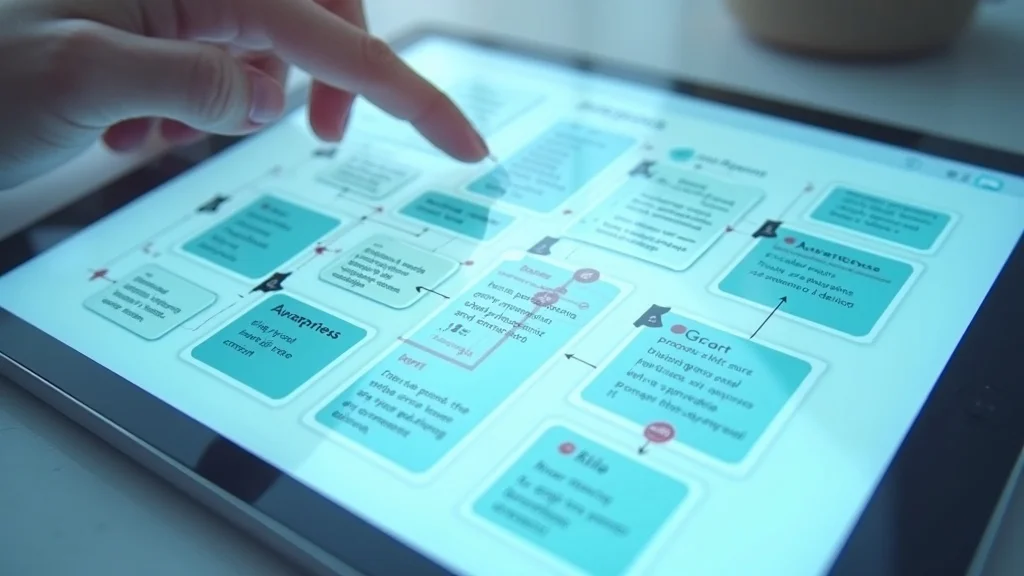
Think of your display ad as a digital touchpoint along a much longer path. Awareness leads to interest, which slowly builds into consideration and then—finally—decision. A strong display advertising campaign ensures your business appears at each stage, primed for when the visitor moves from browsing to buying. This process, supported by retargeting strategies and rich media ad formats, helps you recover lost website visitors and maximize the value of your existing traffic.

Display Advertising and The Customer Journey

Buyer’s Journey Stage

Display Advertising Impact

Awareness

Banner ads and rich media introduce your brand, building initial recognition.

Interest

Display ads provide more information, reminding visitors of your products and benefits.

Consideration

Retargeting display ad campaigns and remarketing reinforce preference over competitors.

Decision

Timely personalized ads direct visitors back to your site, increasing conversion rate.

Digital customer journey showing touchpoints for display advertising in customer acquisition

How Businesses Lose Opportunities — And How To Spot The Gaps

Spotting where your business loses potential customers is often the key to smarter growth. Many companies focus all their ad spend and strategy on acquiring new visits but overlook the silent loss of past website visitors who never returned. This oversight can result from running one-shot ad campaigns instead of establishing continuous, strategic display advertising. Ignoring important factors, like ad size, creative formats, and when (or why) visitors leave, means missing out on crucial website visitor recovery opportunities.

Another common mistake is neglecting to use display ads and banner ads for ongoing follow-up. A display ad campaign shouldn’t just attract new cold traffic; it should also work hard to bring back those who already showed interest. Focusing on recovering lost website visitors expands your marketing strategy, making your digital advertising efforts more efficient and cost-effective overall.

Key Mistakes in Display Ad Campaigns

  • One-shot ad campaigns vs. continuous visibility

  • Ignoring display ad size and creative formats

  • Misunderstanding when and why visitors leave

  • Not using banner ads for follow-up engagement

  • Focusing only on new website traffic, not recovering lost visitors

How Website Lead Recovery Turns Missed Visitors Into Customers

Every lost website visitor is a missed opportunity for customer acquisition and business growth. Yet, these missed visitors don’t have to stay lost. Website lead recovery closes the gap between initial curiosity and final decision. Through display advertising—especially with retargeting and remarketing—you can re-engage past visitors across the digital landscape: from news sites to social media to their own inboxes. The key is maintaining relevant, timely messages that relate directly to each visitor’s behavior and interests.

Platforms like the Google Display Network and Meta (Facebook/Instagram) make it easier than ever for businesses to run display ads tailored to exactly where a customer is in their journey. Behavioral advertising takes recovery a step further, customizing your ad creative and display ad format for a more personal, effective nudge. By focusing on website visitor recovery as a core part of your digital marketing, you maximize your return on ad spend and boost the odds of winning back customers who were already halfway there.

Display Advertising Solutions For Visitor Recovery

  • Retargeting display ads to re-engage visitors across platforms

  • Remarketing strategies on Google Display Network and Meta ads

  • Keeping your message relevant and timely

  • Using behavioral advertising to match the audience’s intent

Happy customer returning via a display advertising banner for website lead recovery

Benefits of Display Advertising For Customer Acquisition

Integrating display advertising into your marketing strategy transforms lost opportunities into tangible results. Consistent display ad campaigns help recover lost website visitors, maximize the value of your existing web traffic, and enhance your overall digital marketing goals. By keeping your brand top-of-mind—whether through banner ads, media ads, or rich media—display advertising fosters greater brand awareness and deeper customer engagement. This leads to higher conversion rates, increased lead generation, and, eventually, business growth.

Another major advantage is that display ad campaigns work around the clock, expanding your reach to potential customers you might never have identified otherwise. They turn "maybe laters" into definitive "yes" decisions, ensuring your business doesn’t just attract traffic—but truly acquires customers.

Why Display Ad Campaigns Work For Growing Businesses

  • Recover lost website visitors and maximize marketing spend

  • Increase brand awareness with consistent ad campaigns

  • Enhance customer engagement with media ads and rich media formats

  • Improve conversion rate and lead generation

  • Support your overall digital marketing goals

Diverse business owners reviewing analytics after successful display ad campaigns

Real-World Examples of Display Advertising In Action

Examples help us visualize how display advertising supports website visitor recovery and customer acquisition in everyday business. Take a retail company: they notice many visitors add products to their cart but don’t check out. By launching a remarketing display ad campaign, they remind those shoppers about abandoned items across other websites, increasing return visits and sales. Or consider a service provider: by combining banner ads on the Google Display Network with compelling ad creative, they boost leads through repeated brand impressions. An e-commerce brand might use media ads and specialized ad formats to build engagement and invite customers back to their landing page until a purchase is made.

Each scenario shows that the real value of display advertising is in supporting the natural, often lengthy, decision-making journeys customers take—and giving your business more chances to win.

How Display Ads Brought Lost Visitors Back

  • A retail business recovers lost sales with remarketing display ads

  • A service provider boosts website conversion with display ad campaigns on the Google Display Network

  • An e-commerce brand uses banner ads and media ads for customer engagement

Engaged customers interacting with digital display ad banners in a retail environment

People Also Ask

What is meant by display advertising?

Display advertising means showing visual ads—like banners or images—across the web to reach people who have visited your website or are interested in your products. These ads are designed to raise brand awareness and recover website visitors who haven’t bought yet.

What is an example of a display ad?

A display ad example: You visit an online store, leave without buying, and later see a banner ad for that exact product while reading the news online. That’s a display ad in action, reminding you of what you left behind.

Display advertising banner retargeting a shopper on a news website

What are different types of display advertising?

Display advertising includes banner ads, rich media ads, video ads, and native ads. Each type aims to attract lost website visitors, increase brand awareness, and support customer acquisition in different ways.

Display ad formats: banner, video, native, rich media reviewed by marketing team

Does display advertising work?

Yes. When done right, display advertising brings back lost website visitors, increases brand visibility, and improves your overall conversion rate by keeping your business in front of potential customers.

Best Practices: Creating Effective Display Advertising Campaigns

Building a successful display advertising campaign is both an art and a science. To maximize recovery of lost website visitors, design ads with a clear call to action: simple, inviting messages that tell your audience what to do next. Test different ad sizes and ad formats—what works for one audience may not work for another. Data-driven ad campaigns rely on behavioral insights to retarget and remarket based on actual customer actions, not assumptions.

Set your advertising campaign to appear repeatedly, not just once. This increases brand awareness and keeps your offer top of mind. And don’t forget your landing pages—make sure they are tailored for returning visitors, overcoming earlier friction points and guiding them toward conversion. Each of these best practices is designed to help your business achieve higher conversion rates and stronger customer acquisition from website traffic you already have.

Tips For Maximizing The Impact of Display Ads

  • Design clear call to action messages in every display ad

  • Test different ad sizes and creative formats for your campaigns

  • Use behavioral insights for targeted retargeting and remarketing

  • Set up your display advertising campaign for repeated visibility

  • Optimize landing pages to capture returning visitors effectively

FAQs About Display Advertising and Website Visitor Recovery

  • How does display advertising recover lost website visitors? — Display advertising uses retargeting and remarketing strategies to show visual ads to people who visited your site but didn’t buy. These ads keep your brand visible and invite them back when they’re ready to take action.

  • What’s the difference between a search ad and a display ad? — A search ad appears on search engine results when someone types a query; display ads show up across websites, apps, and social media, often based on behaviors like site visits or interest in your product.

  • Can small businesses benefit from display ad campaigns? — Absolutely. Display advertising offers scalability and targeting, making it valuable for businesses of every size—even those with modest ad spend. It’s especially effective for recovering visitors already familiar with your brand.

  • Is display advertising expensive for growing brands? — Display ad costs can be controlled by careful targeting and budgeting. Many platforms let you set daily limits, so you can start small and grow as you see results.

  • How quickly do display ad campaigns show results? — You may notice increased website return visits and engagement within days of launching a campaign, but sustained results and conversion growth build over several weeks of consistent visibility.

Key Takeaways For Customer Acquisition With Display Advertising

  1. Website visitors rarely buy right away—timing and repeated visibility matter most.

  2. Display advertising helps recover lost visitors: more value from your existing website traffic.

  3. Retargeting and remarketing keep your business front-of-mind until customers are ready to act.

  4. The right display ad campaign grows brand awareness, website conversion, and long-term business success.

Continue Your Learning Journey

Discover How To Retain 100% Of Your Website Traffic https://websiteleadrecovery.com

Conclusion: Display advertising lets you reconnect with lost website visitors, building trust and increasing sales over time. Remember: Customer behavior comes first—technology follows. Start with understanding, and your business growth will follow.

If you’re ready to take your digital marketing to the next level, consider exploring broader strategies for reaching new audiences and scaling your customer acquisition efforts. The landscape of online advertising is constantly evolving, and understanding how to blend display ads with other acquisition tactics can set your business apart. For a strategic overview and advanced approaches to expanding your reach, visit this resource on customer acquisition advertising. It’s the perfect next step for businesses aiming to grow smarter, not just bigger, and to unlock the full potential of their online presence.

Customer Acquisition Advertising

0 Views

0 Comments

Write A Comment

*
*
Please complete the captcha to submit your comment.
Related Posts All Posts
07.08.2026

Customer Acquisition Advertising — Understanding Customer Acquisition Cost

Imagine you own a busy storefront. Every day, hundreds of people walk through the door, glance at your products, and leave without buying. Now, picture those people are your website visitors—real humans with needs, questions, and intentions. Most of them slip away quietly, often forever. But what if you could turn those silent exits into real customer relationships? In this guide, we’ll explore why understanding customer acquisition cost matters and reveal what lost website visitors can teach us about truly growing a business.Introduction to Customer Acquisition Cost and Why Website Visitors MatterEvery visit to your website is an opportunity, but not all opportunities are equal. The number of people landing on your site might feel encouraging, but actual growth depends on how many of those visitors become customers. This is where customer acquisition cost (CAC) comes in. CAC helps you see the cost involved in turning a curious visitor into a paying customer. But here’s the challenge: Most people don’t convert on their first visit. So, how can you make every visit count? That’s where understanding customer behavior—and recovering lost website visitors—becomes one of the smartest ways to strengthen your business model.When you track the costs tied to acquiring new customers through online advertising, you start to see website visitors less as numbers and more as real, potential relationships. Not all traffic is created equal. In fact, balancing your sales and marketing expenses with your overall business goals requires you to get strategic. Instead of simply buying more “cold” traffic, smart businesses focus on recovering, re-engaging, and finally converting visitors who’ve already found them. This approach doesn’t just lower your customer acquisition cost—it can transform how you grow. The fundamentals of customer acquisition cost (CAC)How website visitors contribute to business growthWhy not all website traffic is created equalHow understanding CAC helps you recover lost website visitorsPractical tips to improve your CACThe Problem: Why Most Website Visitors Don’t Convert (And What It Means for Customer Acquisition Cost)If you could see inside your website’s analytics in real time, you’d notice a sobering trend: The majority of visitors leave without buying, signing up, or even interacting with your brand. It’s common—industry averages show that only a small fraction of website traffic leads to a sale. This has a direct impact on your acquisition cost. Why? Because the more visitors you pay to attract who don’t convert, the higher your average CAC climbs. Customer acquisition isn’t just about getting people through the digital door; it’s about knowing what happens when they arrive, and why so many leave without taking action.Many businesses invest heavily in digital display ads, Google Display Network campaigns, and behavioral advertising to bring in traffic. But without understanding why visitors don’t convert, these investments can lead to wasted marketing expenses. When you ignore what happens after a click—or why most people walk away—your acquisition strategies will fall short. Recognizing this “leak” in your conversion funnel is the first step to reducing wasted ad spend and recovering lost website visitors.To dive deeper into the practical steps for recapturing lost opportunities, you might find it helpful to explore actionable strategies for website lead recovery. The Website Lead Recovery Insights article offers a focused look at proven methods to re-engage visitors and maximize the value of your existing traffic.Observing Website Traffic: Where Do Potential Customers Go?After a big campaign, you might see a promising spike in site visitors. However, if you review your analytics, you’ll find that most of these visitors land on a product page, browse for a few seconds or minutes, and then disappear into the digital crowd. They might have clicked from a social media post or a targeted ad, but something stopped them from buying or leaving their information. Understanding this behavior isn’t just curiosity—it’s key to unlocking real growth. Every potential customer who visits and leaves represents a missed chance to build a relationship, and every one adds to your acquisition cost if you can’t bring them back.“Most website visitors leave without taking action — but every visitor represents a potential customer acquisition opportunity.”By analyzing where and why website visitors drop off, you start to connect the dots: It’s rarely a single technical issue or ad mistake. Instead, it’s often a mix of timing, trust, and the natural rhythms of online buying decisions. By following the path customers take, you can spot those critical moments where a gentle nudge or a fresh touchpoint might turn an exit into an engagement—and eventually, a sale.Why This Happens: Breaking Down Customer Acquisition Cost and Website Traffic BehaviorWhy do so many website visitors leave without converting, driving up your customer acquisition cost? The answer lies in understanding both human behavior and the mechanics of digital marketing. Most people don’t make instant buying decisions online. Instead, they gather information, compare options, and come back later—sometimes much later—if at all. The journey from visitor to customer is complicated, intersecting with memory, motivation, and timing.This is also where the costs stack up. Every channel—paid search, digital display ads, email marketing—costs money. When visitors don’t convert, you’re still paying for their attention. Over time, these missed connections become part of your acquisition costs, forcing you to spend more to get each new customer. Recognizing this pattern can power a smarter, more effective customer acquisition strategy. Understanding Online Buying Decisions: The Customer JourneyThe path customers take from “visitor” to “buyer” is rarely a single click. Most people visit a website, look around, and then leave—to think, compare, or simply because they’re not ready. This process, known as the customer journey, shapes every modern business model. It reveals that people often return several times before their first purchase, especially for unfamiliar brands or high-value items.During this journey, visitors are influenced by many touchpoints. They might see your ad on social media, read a review, or remember your logo from a previous visit. Each step leaves an impression, but very few move directly to checkout on their first interaction. For saas companies and e-commerce alike, understanding this repeat exposure is crucial to reducing acquisition cost and maximizing the number of customers acquired.The Basics of Customer Acquisition Cost in Digital AdvertisingSo, what exactly is customer acquisition cost (CAC)? In simplest terms, CAC is the total cost incurred to acquire a new customer. This includes all sales and marketing expenses—such as ads, content, salaries, and promotions—divided by the number of customers gained during a specific period. For example, if you spend $1,000 on digital ads in a month and acquire 20 new customers, your CAC is $50 per customer.Measuring CAC is vital for any business model because it directly impacts profitability. If your average customer only spends $30, but your CAC is $50, you’re losing money on each acquisition. Monitoring and improving your CAC means you’re growing efficiently—aligning your marketing channels and efforts with true business growth. Getting clarity on this number helps guide investment and reduce waste, shifting the focus to smarter acquisition strategies and improved return on investment (ROI).How Customer Acquisition Cost Is CalculatedChannelMarketing ExpensesCustomers AcquiredCAC Formula ExampleSocial Media$2,00040$2,000 ÷ 40 = $50 CACDigital Display Ads$1,50030$1,500 ÷ 30 = $50 CACEmail Marketing$80020$800 ÷ 20 = $40 CACCustomer Behavior Explained: Why Most Visitors Don’t Buy the First TimeHave you ever visited an online store, added something to your cart, and then left without buying? Most people walk through several sites and ads before making a decision. They might need more time, more information, or simply aren’t ready. This is normal. Rarely do customers convert on their first visit—and this is where your true customer acquisition cost gets shaped, often by invisible moments.Consumer psychology and online habits show that trust and familiarity are critical. First-time visitors are cautious; they notice details like website speed, design, and even online reviews. Only after repeated exposure—and a positive, seamless site experience—does a visitor begin to trust your brand enough to buy. Recognizing and respecting this pattern puts you ahead in customer acquisition and helps lower your average CAC over time by recovering previously lost visitors. Customer Acquisition, Trust, and Repeated ExposureTrust is built slowly, especially online. Before someone becomes a paying customer, they often need to see your brand multiple times. This repeated exposure can come through ads, retargeting, or follow-up emails—each touchpoint reinforcing your brand’s reliability. It’s a process; trust cannot be rushed.For businesses, recognizing that customer acquisition is based on familiarity and reassurance, not just flashy offers, reshapes how you spend your marketing budget. Re-engaging visitors, rather than only chasing new ones, can dramatically lower your acquisition cost. It’s why retargeting and behavioral advertising have become so effective: they address customers as people, not just clicks.The Role of Customer Lifetime Value in Understanding Customer Acquisition CostUnderstanding customer lifetime value (CLV) is crucial when analyzing CAC. CLV refers to the total revenue a business expects from a single customer during their relationship. A high-value customer might justify a higher acquisition cost if they make repeat purchases or become loyal over time. In contrast, spending heavily to acquire “cold” one-time buyers can quickly drain profit.Smart businesses don’t just focus on the price of acquiring a new customer—they look at the long game. If nurturing an existing customer through follow-ups and excellent service encourages another purchase, your average customer acquisition cost effectively drops. Focusing on lifetime value, trust, and engagement transforms your approach, helping you get more from each marketing dollar.“Acquisition is not an event — it’s a process of building visibility, trust, and timing.”Why Timing Matters in Customer Acquisition AdvertisingIn business, as in life, timing is everything. Even the most interested website visitor may not be ready to buy today—but that doesn’t mean they’re lost. Understanding the rhythms of your customer’s decision-making can dramatically affect your customer acquisition cost. The gap between a first visit and a conversion is often your biggest opportunity for growth.Many companies make the mistake of flooding new visitors with offers or information, hoping for an instant sale. But if the timing is off, this can feel overwhelming or irrelevant. Savvy businesses use this knowledge to nurture relationships, following up gently and remaining visible—to catch the customer precisely when they’re ready to buy.Timing and Its Impact on Customer Acquisition CostsMissing the right moment can mean missing a sale—and paying again to reacquire the same person later. When you respect online buying decisions and patiently nurture leads over time, you lower your chances of losing potential customers forever. This “follow-up” period is when retargeting, display advertising, and thoughtful outreach shine, helping you reduce wasted marketing attempts and radically improve your overall acquisition ratios.Well-timed outreach—whether it’s an email reminder or a relevant ad—bridges the gap between a curious browser and a loyal customer. Businesses that master the art of timing end up paying less for every new customer, since their acquisition cost is spread across more effective, high-converting touchpoints. Why Repeated Brand Visibility Increases Customer EngagementPeople rarely trust or remember a brand after just one encounter. Multiple, well-timed touchpoints—a familiar logo in their social feed, a helpful remarketing ad, or a positive review—each layer trust. This approach, known as repeated brand visibility, increases the chance a visitor will engage and eventually buy.In the world of customer acquisition advertising, the more positive encounters a customer has with your website, the lower your CAC ratio and the stronger your business model. Persistent, thoughtful presence—without annoyance or pushiness—keeps your brand top-of-mind, allowing you to recover lost opportunities when visitors are finally ready to say “yes. ”How Businesses Lose Opportunities: Missed Value in Website Traffic and Acquisition CostEvery unconverted visit to your website is a lost opportunity—but most businesses don’t see it that way. They focus on acquiring new clicks and page views, often ignoring the much bigger value in recovering existing traffic. If you don’t optimize your site for easy conversions, follow up with interested visitors, or welcome returning customers, your customer acquisition cost rises and valuable potential slips away.This “leak” in your acquisition funnel doesn’t just waste money; it leaves a lasting mark on your business’s efficiency. That’s why understanding how people move through your site, what stops them, and what encourages them to return is so critical. Get this right, and you shift from simply chasing traffic to building a true growth machine.Common Ways Businesses Leak Potential Customer AcquisitionRecognizing the common pitfalls in website visitor recovery is the first step to tightening your acquisition funnel. Let’s break down where most businesses lose value: Unoptimized website experienceLack of follow-upIgnoring returning visitorsUnderestimating the cost of lost website visitorsAn unoptimized website slows visitors down and makes decisions harder. Lack of follow-up—such as forgetting to send a reminder email or retarget with an ad—lets potential customers slip away. Some companies fail to recognize the value in returning visitors, those who already know your brand but just need an extra push. Finally, too many business owners underestimate the actual cost of these lost opportunities, believing that “more traffic” is always the answer. In reality, making the most of the traffic you have is often the shortest path to lower acquisition costs and higher profits.Acquisition Cost vs. Retaining Existing CustomersIt’s far less expensive to keep an existing customer engaged than it is to convert a cold stranger. This isn’t just a “nice to have”—it’s a crucial rule in digital marketing. When you focus only on bringing in new leads while ignoring past visitors, your acquisition cost soars. But by nurturing, delighting, and serving those who already know you, you get more lifetime value from every marketing dollar spent.Strong businesses know that every paying customer represents a long-term relationship, not a one-time sale. Building loyalty and engagement reduces churn and creates a base of advocates who might refer new buyers—lowering your overall CAC and stabilizing growth. In the end, recovering even a small percentage of lost visitors can change your entire cost equation.“Recovering even a small percentage of lost website visitors can change your entire acquisition cost equation.”How Website Lead Recovery Addresses the Customer Acquisition Cost ChallengeSo, how can businesses reduce their customer acquisition cost and capture more value from their existing website traffic? The answer lies in website lead recovery. Instead of chasing ever-larger audiences, focus on identifying missed opportunities and re-engaging visitors who already showed some interest. This approach bridges the gap between lost visits and loyal customers, building a much more efficient path to growth.Website Lead Recovery is about working smarter, not just harder. It’s about using analytics and simple engagement tools to spot where visitors drop off—and then gently guiding them back. This isn’t about heavy-handed sales tactics or overwhelming ads. It’s about recognizing human behavior, timing your outreach, and making sure your site is ready when a customer is finally prepared to act. By doing so, you lower your acquisition costs and create a more sustainable business model.The Customer Acquisition Cost Equation: From Lost Visitors to Engaged CustomersIdentifies missed opportunitiesRe-engages lost visitorsOptimizes the path to acquisitionLowers customer acquisition costsWebsite Lead Recovery works by finding the moments when a visitor almost converts, but something small stops them—maybe a slow page, a confusing form, or an uncertain sense of trust. With thoughtful tools and messaging, you can invite these visitors back, provide answers to their lingering questions, and encourage a second (or third) look. Over time, each recovered lead drops your CAC, raises your average return on investment, and makes every advertising dollar more effective. Integrating Website Lead Recovery With Your Existing Customer Acquisition StrategyWebsite Lead Recovery isn’t a replacement for your advertising or outreach. Instead, it enhances your acquisition strategy by ensuring no valuable visitor is lost without a second chance. By combining recovery tactics—like automated follow-ups, smart retargeting, and personalized messaging—with your existing efforts, you supercharge your results. This integration means every penny spent on acquiring traffic has a higher chance of generating revenue.As you combine these strategies, you’ll build a business model that’s less reliant on constant new traffic and more focused on getting real value from the audience you’ve already earned. It’s a more efficient way to grow, reduces your acquisition cost, and puts you back in control of your sales and marketing expenses.The Benefits of Understanding and Optimizing Customer Acquisition CostGrow sales from your existing website trafficReduce waste from sales and marketing expensesIncrease your marketing ROIBuild long-term customer relationshipsRecover lost website visitors efficientlyBusinesses that understand—and act on—their customer acquisition cost are positioned to thrive. By focusing on recovery and optimization instead of endless new spend, you improve your margins and make your money work harder. This efficiency means you can invest more in delivering great experiences, building trust, and cultivating repeat customers. In the end, the smartest businesses see every visitor as a future customer, measuring acquisition cost not just as a number, but as a key indicator of growth efficiency.“The smartest businesses treat every visitor as a future customer and measure acquisition cost as an indicator of growth efficiency.”Frequently Asked Questions About Customer Acquisition Cost What is an example of a customer acquisition cost?A customer acquisition cost (CAC) example helps clarify the concept. Imagine a business spends $1,000 on advertising for one month and gains 25 new customers as a result. To calculate CAC, divide the total cost of marketing expenses by the number of new customers acquired. So, $1,000 divided by 25 equals $40 per new customer. This number helps businesses decide if their marketing efforts are delivering profitable results.How is CAC calculated?CAC is calculated by dividing your total sales and marketing expenses over a specific period by the total number of customers acquired during that time. The formula looks like: CAC = (Total Marketing Expenses) ÷ (Number of New Customers Acquired). For example, if you spend $2,500 on online advertising and related advertising efforts, and gain 50 customers, your CAC is $50. Knowing this number allows you to adjust your strategy for better efficiency and profitability.What is a good CAC percentage?A “good” CAC percentage depends on your business model and how much revenue you earn from each customer over their lifetime (CLV). Ideally, your CAC should be significantly less than the amount you earn from each customer—leaving room for profit. Many experts suggest aiming for a CAC that’s 20-30% of your average customer’s value, but the best benchmark always fits your industry, model, and margins. Always monitor both sides of the CAC ratio, ensuring you aren’t overspending just to chase more traffic.What is CAC and CTR?CAC stands for customer acquisition cost, which is the price you pay to gain each new customer. CTR, or Click-Through Rate, measures how often people click on your online ads compared to how many times they’re shown. While both relate to digital marketing, they serve different purposes: CAC tracks the cost of acquiring customers, and CTR tracks ad engagement. Businesses use both metrics to judge the success of their marketing campaigns and adjust strategies accordingly.Key Takeaways for Reducing Customer Acquisition Cost and Recovering Lost Website VisitorsCustomer acquisition cost is more than a metric — it’s a window into your business’s healthMost visitors leave your website, but that doesn’t mean they’re lost foreverUnderstanding online behaviors transforms your approach to digital marketingRecovering website visitors is a faster way to lower acquisition cost than chasing cold trafficWatch: Short explainer animation visually depicting a website losing and recovering digital visitors, with CAC markers. Animation shows increased conversions and reduced acquisition costs, reinforcing why Website Lead Recovery matters. (No text, brand-friendly colors, and smooth transitions. )Discover More: Retain 100% Of Your Website TrafficLearn how to turn missed opportunities into business growth at Website Lead Recovery. Conclusion: Master Customer Acquisition Cost to Unlock the Real Value of Your Website VisitorsRethink Your Customer Acquisition Strategy With a Focus on Recovery and EngagementTo grow your business efficiently, understand how humans buy online—then recover their attention when it matters. Website Lead Recovery isn’t just a technique, it’s a mindset.If you’re ready to take your customer acquisition strategy to the next level, consider exploring the broader landscape of website lead recovery and retention. The Website Lead Recovery Insights resource provides in-depth perspectives on retaining more of your website traffic and building a sustainable growth engine. By learning how to capture and nurture every potential lead, you’ll unlock advanced techniques that can dramatically improve your marketing ROI and long-term business success. Start transforming missed opportunities into measurable results and discover how a holistic approach to lead recovery can future-proof your customer acquisition efforts.Discover How To Retain 100% Of Your Website Traffic https://websiteleadrecovery.com

07.08.2026

Customer Acquisition Advertising — How Online Advertising Finds New Customers

Introduction to Online Advertising and Website Lead RecoveryObservational hook: Imagine a thousand people visit your website this week. Only a few buy. Why does this happen every day for every business online?Every business dreams of crowds of visitors pouring onto their website, scanning products or services, and eagerly making a purchase. Yet, reality looks very different: out of hundreds or even thousands of daily website visitors, only a small handful actually become customers. This scenario isn’t just a quirk—it's standard across nearly every industry and size of company. Understanding why most website visitors don’t convert on their first visit and what businesses can do to recover those opportunities is at the heart of smart online advertising. This guide will take you deep into the world of online advertising, website visitor psychology, and the strategies that help businesses both find and recover new customers. What You'll Learn in This GuideUnderstand online advertising’s role in finding and retaining new customersDiscover why website visitors rarely buy on their first visitLearn how timing and visibility impact customer decisionsExplore the difference between attracting new visitors and recovering existing onesFind out why Website Lead Recovery is vital for business growthThe Problem: Most Website Visitors Leave Without ConvertingExplore why most website visitors leave without convertingIllustrate the flow of visitors from online advertising to a typical business siteImagine you’re running an ad campaign on a popular advertising platform. The ads are well-designed and your targeting is spot-on. Suddenly, a spike in website traffic appears—hundreds of new potential customers arrive in a day. But by the end of the week, your actual sales don’t even come close to matching those visitor numbers. If this sounds familiar, you’re not alone. Data from the world’s biggest digital advertising companies shows that the vast majority of website visitors—often over 90%—leave without taking any meaningful action. This means most businesses are investing heavily in online ads and media ads, only to see the majority of that new traffic slip away.This rapid flow of visitors—arriving from search ads, social media ads, banner ads and more—tends to bounce off a web page much faster than most expect. The truth is, every website, including the world’s top brands, faces this challenge: the path from ad click to conversion is full of distractions, doubts, and competing priorities, which prevents most users from converting right away. The result? A constant churn of lost opportunities, despite major investments in digital ads and traffic acquisition. “Most people don’t buy the first time they visit a website—not because they aren’t interested, but because life gets in the way.”Why Website Visitors Leave — Understanding Customer Behavior in Online AdvertisingIntroduce the basics of website visitor psychologyDiscuss common distractions, hesitation, and competing offersConnect to broader consumer behavior in the context of online advertisingSo, why do most website visitors leave before taking action? Understanding customer behavior starts with realizing just how overloaded digital life has become. When a visitor lands on your site—from a social media ad or a search ad—they are bringing with them a flood of distractions: pings from their smartphone, an unfinished to-do list, news headlines in another browser tab, and countless popups vying for their attention. In this cluttered environment, even the most compelling digital ad can be quickly forgotten.Hesitation also plays a massive role. Before making a decision, a visitor may compare your offer against others, wonder about your credibility, or simply lack the trust needed to buy. Even a minor moment of confusion—like unclear pricing or unfamiliar terms—can send a user clicking away to a competitor. These behaviors are not the result of bad online advertising, but of deeply human instincts: we seek options, evaluate risk, and need reassurance—especially online. This is why remarketing strategies aren’t just effective, they’re essential. Why Does This Happen? The Psychology Behind Online Advertising and Buying DecisionsWhy Don’t People Buy the First Time They Visit?Unpack trust, timing, and attention spans in the digital eraLink these concepts back to online advertising and ad campaignsMost people don’t make snap decisions—especially when money is involved. Trust is the first hurdle. When someone clicks your online ad, they might like what they see, but skepticism is natural. Is this company legitimate? Will they deliver on their promise? These questions linger until answered. Timing is another invisible barrier. Even if a website visitor is interested in your offer, they may not be ready to buy. They need to check finances, consult a friend, or just wait for a better moment. Finally, attention is the most precious commodity online. Even the most engaging video ad or banner ad is competing not just with similar brands, but with every open tab, notification, and fleeting life event.For advertisers, this means the real work of customer acquisition begins only after a visitor’s first click. Ad campaigns are most effective when paired with a deep understanding of buying psychology, and when businesses meet visitors where they are: often curious, sometimes anxious, and rarely ready to purchase right away. How Timing and Repetition Influence Customer AcquisitionExplain how repeat exposure (via remarketing, display advertising, online advertising) builds familiarityShow real-world scenarios where timing changes buying decisionsThe truth about customer acquisition in today's digital landscape is simple: people remember what they see again and again. Repeated exposure—seeing your brand in a display ad, a social media ad, then on a different website through remarketing—is what builds real familiarity. This process, sometimes called the "mere exposure effect," means each time someone sees your message, their trust grows. A person might first encounter your site on Monday through a search ad. But later, while browsing social media, they see your brand again. A week later, a banner ad reminds them to come back. By the time they are ready—thanks to well-timed, relevant online advertising—returning to your site feels familiar and safe.In the real world, this happens constantly. Think about how many ads you ignore until the day you finally need that product or service. It’s not just luck—it’s smart, patient repetition. For companies, combining timely digital advertising with strategies like retargeting is the key to moving visitors gently down the path from curious browsers to loyal customers.To further understand how to maximize the value of every website visitor, it's helpful to explore actionable insights on retaining your website traffic through effective lead recovery techniques. These strategies can bridge the gap between initial interest and final conversion, ensuring fewer opportunities are lost along the way.Types of Online Advertising for Customer AcquisitionList the main types of online advertising:• Search engine advertising (search ad)• Social media advertising (social media ad)• Display advertising (banner ad, digital display ads)• Native advertising (native ad)• Video advertising (video ad, video advertising)• Remarketing and retargeting (behavioral advertising, Google Display Network, Meta Advertising)There are many ways to reach potential customers online, and each ad format serves a unique role in the customer journey. Search engine advertising puts your offer in front of people who are actively searching for relevant solutions. Social media advertising helps you find your audience where they spend most of their online time—on platforms like Facebook, Instagram, TikTok, or LinkedIn. Display ads, including the familiar banner ads found on news sites and blogs, cast a wide net and build brand recognition. Native ads blend seamlessly into online content, making them less intrusive and more likely to be trusted. Video ads leverage sight and sound to build emotion and showcase your offer in action. Finally, remarketing and retargeting use behavioral signals to follow up with visitors who didn’t convert—reminding them to come back when the time is right.By using these various types of online advertising together, businesses can create a journey where visitors are first attracted, then gently reminded, and ultimately guided back to complete their purchase. Choosing the right combination depends on your goals, your target audience, and where your customers are most likely to engage online. Comparison Table: Types of Online Advertising and When They're Most EffectiveAd FormatPrimary PurposeBest Used When...Search Engine Advertising (Search Ads)Capture high-intent users searching for solutionsYour product or service matches specific keywords customers are searching forSocial Media Advertising (Social Media Ad)Build brand engagement and reach targeted audiencesYou want to spark interest with visually engaging ads on platforms your customers use dailyDisplay Advertising (Banner Ads, Digital Display Ads)Increase brand awareness across a wide range of websitesYou want broad visibility and repeated exposure to stay top-of-mindNative Advertising (Native Ad)Blend your message into editorial content for less intrusive engagementYou want a natural, editorial-feel ad experience that earns trustVideo Advertising (Video Ad)Demonstrate products and build emotional connectionYou want to explain or showcase your offer in a compelling wayRemarketing/Retargeting (Behavioral Advertising, GDN, Meta)Re-engage previous visitors to recover lost opportunitiesYou want to remind past visitors to return when they’re ready to buyHow Businesses Lose Opportunities — The Gaps in Online AdvertisingBreak down where online advertising investments often failDiscuss rapid exit rates, forgotten visitors, and missed engagementHighlight that customer acquisition isn’t just about more traffic, but about maximizing every visitMost businesses focus their efforts on getting more people to their site. But as we’ve seen, more traffic only helps if it’s paired with strategies that keep those visitors engaged and encourage them to return. One of the most common gaps in online advertising is the assumption that traffic equals sales. The reality is that most visitors will leave your website within seconds—distracted, unconvinced, or simply not ready to buy. Without a plan to recover lost website visitors, even the best ad campaign can become a revolving door: people arrive, look, and slip away, sometimes forever.Rapid exit rates (bounce rates), lack of follow-up, and forgotten visitors are costing businesses far more than they realize. Money spent on digital ads, banner ads, and social media only delivers its full value if every site visitor is considered a future customer—even if they don’t convert right away. The best way to maximize your customer acquisition is by investing not just in getting new visitors, but in turning more of your current traffic into customers over time. “Businesses spend thousands to bring people to their websites, but most opportunities slip away because visitors aren’t ready—or aren’t reminded to return when they are.”How Website Lead Recovery Complements Online AdvertisingIntroduce Website Lead Recovery as a way to recover lost website visitorsExplain how website visitor recovery works alongside classic online advertisingReinforce the behavioral focus: technology supports, but does not replace, understanding visitorsWebsite Lead Recovery offers a solution to the biggest weakness in online advertising: the silent loss of interested visitors. Instead of accepting high bounce rates as inevitable, businesses can use Website Lead Recovery to reconnect with people who left before converting. This isn’t about pushing more ads or being intrusive; it’s about meeting customers where they are—sometimes days or weeks after their first visit. With the right approach, technology simply supports customer behavior, helping businesses gently remind and re-engage visitors until they’re ready to buy.When Website Lead Recovery is combined with well-planned ad campaigns, businesses create a safety net under every marketing effort. Visitors who leave aren’t forgotten—they’re tracked, respectfully re-engaged, and brought back at the right moment. This approach shifts the landscape from frantic customer chasing to smart, sustained customer nurturing—a philosophy that helps businesses grow without constantly burning money on brand new traffic.Customer Acquisition Beyond the First Click – The Role of Retargeting and RemarketingNatural explanation of retargeting, remarketing, display advertising, and behavioral advertisingEmphasize repeated visibility and trust-building across digital adsRetargeting and remarketing are strategies designed specifically for Website Lead Recovery. After someone leaves your site, these techniques use banner ads, video ads, and even native ads to display gentle reminders across the Internet—whether through the Google Display Network (GDN), Meta advertising, or other popular advertising platforms. Each exposure helps build familiarity and trust in your brand. The more often a visitor sees your ad, the more likely they are to return and complete their purchase.Behavioral advertising tailors these reminders to the interests and actions of each potential customer. This isn’t “tracking” in a scary way—it’s a friendly nudge that says, “We’re still here when you’re ready. ” By meeting customers on their timeline and respecting their decision-making process, Website Lead Recovery and smart online advertising together deliver the right message at the right moment for every individual. The Benefits of Website Lead Recovery in Online AdvertisingList core benefits:• Increased website conversion• Greater return from existing website traffic• Stronger customer engagement• More efficient customer acquisition• Enhanced brand awarenessBusinesses that embrace Website Lead Recovery quickly notice an uptick in results from their existing marketing. More visitors turn into leads and customers, which means higher conversion rates without increasing advertising spending. Because Website Lead Recovery focuses on nurturing visitors you’ve already paid to attract, every ad campaign becomes more efficient. These strategies don’t just recover lost sales—they grow brand awareness, form stronger customer relationships, and boost ROI (return on investment) over time.Engaged visitors are more likely to become loyal customers. Frequent reminders and thoughtful follow-ups keep your business top-of-mind, and customers appreciate brands that remember them. Instead of chasing brand new customers at the lowest end of the sales funnel, Website Lead Recovery lets you build deeper connections and sustainable growth by focusing on the opportunities you already have. Online Advertising vs. Website Lead Recovery — Side-by-Side BenefitsTraditional Online AdvertisingWebsite Lead RecoveryDrives new visitors to your websiteRecovers and re-engages website visitors who left without convertingBuilds initial brand awareness and interestBuilds trust and familiarity over repeated visitsCan lead to high visitor churn without follow-upMaximizes value from every website visitOften stops at the first clickSupports the entire customer journey beyond the first visitFocuses on acquiring “cold” trafficTurns “warm” traffic into customers and fans“Recovering lost website visitors often costs less—and delivers more—than chasing brand new traffic.”Frequently Asked Questions About Online Advertising and Website Lead RecoveryWhat is the best online advertising?Answer: There’s no one-size-fits-all. The best online advertising depends on your audience, goals, and where your customers spend their time online. Pairing ads with Website Lead Recovery helps maximize every ad dollar spent.What are the 7 types of online advertising?Answer: The main types are search engine advertising, display advertising, social media advertising, native advertising, video advertising, remarketing/retargeting, and programmatic advertising.What is the big 3 of online advertising?Answer: Search engine advertising (like Google Ads), social media advertising (like Facebook/Meta), and display advertising (banners across the web) are often called the ‘big three.’How much do online ads pay?Answer: Online ad costs and returns vary widely. The most important point is not just cost, but how well you retain and recover website visitors after they click your ad. Key Takeaways: What Every Business Owner Should Understand About Online AdvertisingMost website visitors will not buy the first timeOnline advertising is essential, but its real power is unlocked by recovering lost visitorsThe customer journey is complex—timing and visibility are everythingWebsite Lead Recovery helps you make the most of every website visitorTrue growth comes from teaching, engaging, and reminding—not just reaching more people Next Steps for Smarter Online Advertising and Website Visitor RecoveryEncourage continued learning on related topics: Customer Behavior, Timing, Website Conversion, Recover Lost Website VisitorsDiscover How To Retain 100% Of Your Website TrafficExplore more proven strategies at https://websiteleadrecovery.com, and see how smarter online advertising can help recover lost visitors and grow your business.Conclusion: The real secret to online advertising isn’t just about finding new visitors—it's about recovering, engaging, and converting every opportunity you already have. The smartest growth comes from understanding customers first.If you’re ready to take your digital marketing to the next level, consider diving deeper into the full spectrum of Website Lead Recovery insights. By exploring advanced strategies and expert perspectives, you’ll discover how to transform fleeting website visits into lasting customer relationships. Unlocking the potential of your existing traffic is often the most cost-effective way to accelerate business growth. Start building a smarter, more resilient marketing strategy—one that turns every visitor into a valuable opportunity for your brand.

07.08.2026

Customer Acquisition Advertising — What Is Digital Advertising?

Imagine this: You’ve just launched a slick digital ad campaign. Visitors start pouring onto your website, glancing through your products or services. Minutes later, almost all of them disappear—without a trace. Did you do something wrong? Or is this simply how people behave online? This guide will help you see your website traffic through a new lens and understand why recovering lost website visitors may be your business’s greatest untapped opportunity.Unlocking the Power of Digital Advertising: Why Most Website Visitors Don’t Buy the First TimeEvery day, business owners invest in digital advertising to pull in online visitors. You might be running carefully crafted online ads across search engines, social media platforms, or even on industry blogs. The clicks roll in—but conversions lag behind. Why aren’t website visitors buying after seeing your carefully targeted digital ads? The reality is, most people need time. Buying is rarely instant, even when the ad copy is persuasive and the offer compelling. Instead, your potential customers are on an invisible journey—one shaped by habit, curiosity, and the need for trust.Think about your own browsing behavior. How often do you buy immediately after seeing an online ad? People usually click, look around, and then leave to compare, research, or simply because life interrupts. This isn’t a failure of your marketing—it’s typical digital behavior. Most website visitors need multiple exposures before making a buying decision. So, the challenge isn’t just driving traffic, but learning how to recover lost opportunities and maximize every ad spend. Let’s look closer at why this happens and how you can turn it to your advantage. Scenario: The Invisible Journey of Website VisitorsYou invest in digital advertising and launch an online ad campaign.Hundreds of visitors land on your website.The majority leave without taking action."Most customers don't convert on their first visit — not because they're uninterested, but because buying decisions are rarely instant."What You'll Learn About Digital Advertising, Customer Acquisition, and Website Visitor RecoveryA plain-English explanation of digital advertisingWhy people hesitate online and what influences their behaviorThe difference between attracting and converting website visitorsHow recovering lost website visitors increases customer acquisitionWhat digital display ads, remarketing, and retargeting really meanWhy timing and repeated visibility build trust and drive salesThe key to maximizing ROI from your current website traffic Understanding Digital Advertising: The BasicsWhat Is Digital Advertising?Definition of Digital Advertising: Digital advertising is the practice of promoting products or services through online ads on websites, apps, search engines, and social media platforms. Unlike traditional advertising on TV or print, digital ads can be targeted, tracked, and optimized in real time.Reach: Digital ads appear across the web, within apps, and on social media, making them incredibly flexible for reaching people wherever they spend time online.Difference from Traditional Ads: While a traditional ad might be shown to everyone watching a TV show, a digital ad can target based on age, interests, or browsing history for precise audience tailoring.Ad Spend & Media Placements: Companies pay for media ad placements—space where their ad appears—by budgeting ad spend across various media platforms. The goal: Show the right message to the right person at the right moment.Digital advertising isn’t just about buying space—it’s about meeting your next customer wherever their attention is. Whether you’re using a video ad on YouTube, a targeted search ad on Google, or a slick banner on a media platform, the principles remain the same: connection, timing, and value. This is what sets online advertising apart from older methods and makes it such a powerful tool for customer acquisition today.Key Types of Digital AdvertisingDisplay ads: Image or video banners shown on websites or apps.Search ads (search engine marketing): Text ads appearing at the top of search engine results pages (SERPs).Social media ads: Paid posts or banners on platforms like Facebook, Instagram, or LinkedIn.Video ads: Commercials or sponsored content on platforms such as YouTube.Programmatic and behavioral advertising: Automated ad placements targeting users based on online behavior.Each type of digital ad meets people at different points in their journey—catching attention, sparking curiosity, or reminding them about what you offer. By understanding these options, you can better align your advertising with how customers think and behave online.For a deeper understanding of how to retain more of your hard-earned website traffic and practical steps to implement lead recovery, you may find the Website Lead Recovery Insights guide especially useful. It explores actionable strategies to help you capture and convert visitors who might otherwise be lost.Common Digital Advertising Types vs. Customer BehaviorsAd TypeWhere It Shows UpHow It Influences CustomersDisplay AdsWebsites, mobile appsRaise brand awareness, trigger repeat visitsSearch AdsSearch engine results pagesCapture intent-driven traffic actively seeking solutionsSocial Media AdsSocial media platformsEngage targeted communities, encourage shares and followsVideo AdsYouTube, streaming platformsCreate emotional connections, increase recallProgrammatic/BehavioralMultiple online channels, triggered by user habitsShow up to the right people, at relevant times, based on behavior The Problem: Why Most Website Visitors Leave (Even After Seeing Your Digital Ad)The Customer Decision Journey: Why Buying Is Rarely Instant"People rarely buy the first time they visit a website. Online buying decisions take time."When someone lands on your website through a digital advertising campaign, don’t expect an immediate sale. Most visitors are still weighing their options, especially if they’ve never heard of your business before. This is known as the customer decision journey—a winding path filled with research, comparisons, and sporadic interest. In this journey, your display ads or search engine marketing efforts are just the first step, and instant conversions are the exception, not the rule.It’s perfectly normal for new visitors to browse multiple sites, hesitate, or simply get distracted. While traditional advertising might bring people to your door, digital advertising gives you more chances to invite them back—if you act on it. The real question isn’t “Why didn’t they buy?” but “How can I stay visible until they’re ready?”Factors Influencing Online Customer BehaviorComparison shopping: Most people don’t make decisions on impulse online. Instead, they visit multiple websites, compare options, and read reviews.Trust and familiarity: The less familiar a brand or website, the more time visitors need before making a purchase. Building trust is essential.Timing and distractions: Life happens—an email pings, a child calls, or another site catches their eye. Buying may not be their top priority right now.Skepticism towards ad offers: Today’s users are savvy; they look for signs of credibility before acting on an online ad.Understanding these customer behaviors is key for any business that wants to thrive online. The typical visitor leaves not because your digital ad was weak, but because life online is designed for options, pace, and exploration. Embracing this reality is the first step toward building an effective website lead recovery strategy. Deeper Dive: Customer Psychology and Website BehaviorWhy Visitors Need Repeated Exposure to Digital AdvertisingFamiliarity and trust: People buy from brands they recognize. It often takes several display ads or social media ads before a brand sticks in memory.Recall through repetition: Seeing the same offer multiple times on different media platforms increases the chance they’ll come back when ready.Ad blindness: Users often ignore display advertising if it feels intrusive or irrelevant. However, carefully crafted and well-timed ads are remembered.This repetition is the foundation of successful digital advertising. The goal isn’t just to get noticed—it’s to become familiar, so that when the buying moment arrives, you’re top of mind. With so much competition, being present consistently is what turns browsers into buyers.What Causes Customers to Leave Without Buying?Distraction and competition: A single visit can end with a click on a competitor’s offer or simply a sidetrack to another task.Unclear or complex websites: Overwhelming layouts, confusing calls to action, or too many pop-ups can push visitors to leave.Poor timing: Sometimes, a user just isn’t ready. The need may arise days or weeks after the first visit.Lack of immediate need: Not all interest leads to urgency. People may simply be curious, not committed.Your potential buyers are real people, not robots following predictable steps. They leave and return, influenced by trust, timing, and convenience. Understanding this is essential for any business looking to implement an effective website visitor recovery plan and truly benefit from digital advertising. How Businesses Lose Opportunities Despite Smart Digital AdvertisingThe Limits of Traffic Generation: Attract vs. ConvertVisitors aren’t buyers by default: Investing in display ads or social media ads gets people to your site, but attention rarely equals action.Media ads build awareness, not instant sales: Your digital ad strengthens recognition, but most people are not in a ready-to-buy mindset the first time.The cost of lost opportunities: Each visitor you lose is a missed chance that your ad spend can’t immediately recover—unless you learn how to bring them back.In the rush to get more traffic, many businesses overlook an uncomfortable truth: more visitors doesn’t guarantee more sales. The real leverage comes from converting existing visitors—especially those who have shown early interest but haven’t yet made a purchase. This is where website visitor recovery becomes a game changer.Missed Value from Existing Website VisitorsThe vast majority leave: On average, over 80% of website visitors leave without taking any desired action (like buying or signing up).Focus stuck on new traffic: Most businesses pour their ad spend into getting even more visitors—without a plan for what happens after the first visit.The opportunity gap: Recovering just a fraction of lost visitors can boost your customer acquisition and make your digital advertising far more cost-effective.Customer attention is a finite resource. Learning how to reconnect with lost visitors—rather than chasing endless new ones—is the secret to sustainable business growth and a higher advertising ROI.Typical Visitor Flow on a Digital Advertising Campaign WebsiteStageWhat HappensHow Many StayClick Digital AdUser visits your website after seeing an online ad100%BrowseUser explores pages, often comparing or pausing~60%Drop-offUser leaves with no further action80%+ConvertSome users take action (buy, sign up, contact)

Terms of Service

Privacy Policy

Core Modal Title

Sorry, no results found

You Might Find These Articles Interesting

T
Please Check Your Email
We Will Be Following Up Shortly
*
*
*