

Imagine you own a busy storefront. Every day, hundreds of people walk through the door, glance at your products, and leave without buying. Now, picture those people are your website visitors—real humans with needs, questions, and intentions. Most of them slip away quietly, often forever. But what if you could turn those silent exits into real customer relationships? In this guide, we’ll explore why understanding customer acquisition cost matters and reveal what lost website visitors can teach us about truly growing a business.
Introduction to Customer Acquisition Cost and Why Website Visitors Matter
Every visit to your website is an opportunity, but not all opportunities are equal. The number of people landing on your site might feel encouraging, but actual growth depends on how many of those visitors become customers. This is where customer acquisition cost (CAC) comes in. CAC helps you see the cost involved in turning a curious visitor into a paying customer. But here’s the challenge: Most people don’t convert on their first visit. So, how can you make every visit count? That’s where understanding customer behavior—and recovering lost website visitors—becomes one of the smartest ways to strengthen your business model.
When you track the costs tied to acquiring new customers through online advertising, you start to see website visitors less as numbers and more as real, potential relationships. Not all traffic is created equal. In fact, balancing your sales and marketing expenses with your overall business goals requires you to get strategic. Instead of simply buying more “cold” traffic, smart businesses focus on recovering, re-engaging, and finally converting visitors who’ve already found them. This approach doesn’t just lower your customer acquisition cost—it can transform how you grow.

The fundamentals of customer acquisition cost (CAC)
How website visitors contribute to business growth
Why not all website traffic is created equal
How understanding CAC helps you recover lost website visitors
Practical tips to improve your CAC
The Problem: Why Most Website Visitors Don’t Convert (And What It Means for Customer Acquisition Cost)
If you could see inside your website’s analytics in real time, you’d notice a sobering trend: The majority of visitors leave without buying, signing up, or even interacting with your brand. It’s common—industry averages show that only a small fraction of website traffic leads to a sale. This has a direct impact on your acquisition cost. Why? Because the more visitors you pay to attract who don’t convert, the higher your average CAC climbs. Customer acquisition isn’t just about getting people through the digital door; it’s about knowing what happens when they arrive, and why so many leave without taking action.
Many businesses invest heavily in digital display ads, Google Display Network campaigns, and behavioral advertising to bring in traffic. But without understanding why visitors don’t convert, these investments can lead to wasted marketing expenses. When you ignore what happens after a click—or why most people walk away—your acquisition strategies will fall short. Recognizing this “leak” in your conversion funnel is the first step to reducing wasted ad spend and recovering lost website visitors.
To dive deeper into the practical steps for recapturing lost opportunities, you might find it helpful to explore actionable strategies for website lead recovery. The Website Lead Recovery Insights article offers a focused look at proven methods to re-engage visitors and maximize the value of your existing traffic.
Observing Website Traffic: Where Do Potential Customers Go?
After a big campaign, you might see a promising spike in site visitors. However, if you review your analytics, you’ll find that most of these visitors land on a product page, browse for a few seconds or minutes, and then disappear into the digital crowd. They might have clicked from a social media post or a targeted ad, but something stopped them from buying or leaving their information. Understanding this behavior isn’t just curiosity—it’s key to unlocking real growth. Every potential customer who visits and leaves represents a missed chance to build a relationship, and every one adds to your acquisition cost if you can’t bring them back.
“Most website visitors leave without taking action — but every visitor represents a potential customer acquisition opportunity.”
By analyzing where and why website visitors drop off, you start to connect the dots: It’s rarely a single technical issue or ad mistake. Instead, it’s often a mix of timing, trust, and the natural rhythms of online buying decisions. By following the path customers take, you can spot those critical moments where a gentle nudge or a fresh touchpoint might turn an exit into an engagement—and eventually, a sale.
Why This Happens: Breaking Down Customer Acquisition Cost and Website Traffic Behavior
Why do so many website visitors leave without converting, driving up your customer acquisition cost? The answer lies in understanding both human behavior and the mechanics of digital marketing. Most people don’t make instant buying decisions online. Instead, they gather information, compare options, and come back later—sometimes much later—if at all. The journey from visitor to customer is complicated, intersecting with memory, motivation, and timing.
This is also where the costs stack up. Every channel—paid search, digital display ads, email marketing—costs money. When visitors don’t convert, you’re still paying for their attention. Over time, these missed connections become part of your acquisition costs, forcing you to spend more to get each new customer. Recognizing this pattern can power a smarter, more effective customer acquisition strategy.
Understanding Online Buying Decisions: The Customer Journey
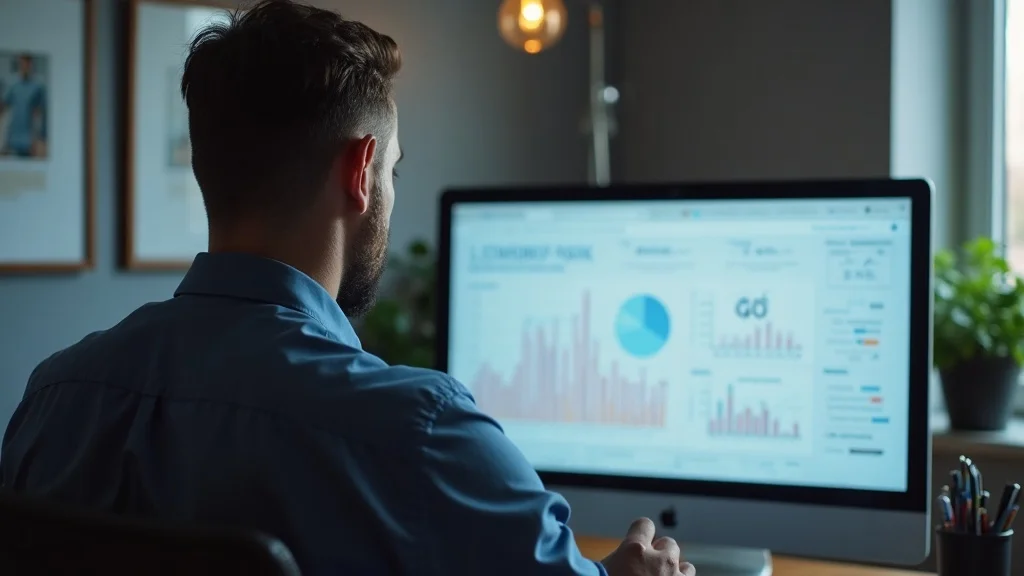
The path customers take from “visitor” to “buyer” is rarely a single click. Most people visit a website, look around, and then leave—to think, compare, or simply because they’re not ready. This process, known as the customer journey, shapes every modern business model. It reveals that people often return several times before their first purchase, especially for unfamiliar brands or high-value items.
During this journey, visitors are influenced by many touchpoints. They might see your ad on social media, read a review, or remember your logo from a previous visit. Each step leaves an impression, but very few move directly to checkout on their first interaction. For saas companies and e-commerce alike, understanding this repeat exposure is crucial to reducing acquisition cost and maximizing the number of customers acquired.
The Basics of Customer Acquisition Cost in Digital Advertising
So, what exactly is customer acquisition cost (CAC)? In simplest terms, CAC is the total cost incurred to acquire a new customer. This includes all sales and marketing expenses—such as ads, content, salaries, and promotions—divided by the number of customers gained during a specific period. For example, if you spend $1,000 on digital ads in a month and acquire 20 new customers, your CAC is $50 per customer.
Measuring CAC is vital for any business model because it directly impacts profitability. If your average customer only spends $30, but your CAC is $50, you’re losing money on each acquisition. Monitoring and improving your CAC means you’re growing efficiently—aligning your marketing channels and efforts with true business growth. Getting clarity on this number helps guide investment and reduce waste, shifting the focus to smarter acquisition strategies and improved return on investment (ROI).
How Customer Acquisition Cost Is Calculated | |||
Channel |
Marketing Expenses |
Customers Acquired |
CAC Formula Example |
|---|---|---|---|
Social Media |
$2,000 |
40 |
$2,000 ÷ 40 = $50 CAC |
Digital Display Ads |
$1,500 |
30 |
$1,500 ÷ 30 = $50 CAC |
Email Marketing |
$800 |
20 |
$800 ÷ 20 = $40 CAC |
Customer Behavior Explained: Why Most Visitors Don’t Buy the First Time
Have you ever visited an online store, added something to your cart, and then left without buying? Most people walk through several sites and ads before making a decision. They might need more time, more information, or simply aren’t ready. This is normal. Rarely do customers convert on their first visit—and this is where your true customer acquisition cost gets shaped, often by invisible moments.
Consumer psychology and online habits show that trust and familiarity are critical. First-time visitors are cautious; they notice details like website speed, design, and even online reviews. Only after repeated exposure—and a positive, seamless site experience—does a visitor begin to trust your brand enough to buy. Recognizing and respecting this pattern puts you ahead in customer acquisition and helps lower your average CAC over time by recovering previously lost visitors.

Customer Acquisition, Trust, and Repeated Exposure
Trust is built slowly, especially online. Before someone becomes a paying customer, they often need to see your brand multiple times. This repeated exposure can come through ads, retargeting, or follow-up emails—each touchpoint reinforcing your brand’s reliability. It’s a process; trust cannot be rushed.
For businesses, recognizing that customer acquisition is based on familiarity and reassurance, not just flashy offers, reshapes how you spend your marketing budget. Re-engaging visitors, rather than only chasing new ones, can dramatically lower your acquisition cost. It’s why retargeting and behavioral advertising have become so effective: they address customers as people, not just clicks.
The Role of Customer Lifetime Value in Understanding Customer Acquisition Cost
Understanding customer lifetime value (CLV) is crucial when analyzing CAC. CLV refers to the total revenue a business expects from a single customer during their relationship. A high-value customer might justify a higher acquisition cost if they make repeat purchases or become loyal over time. In contrast, spending heavily to acquire “cold” one-time buyers can quickly drain profit.
Smart businesses don’t just focus on the price of acquiring a new customer—they look at the long game. If nurturing an existing customer through follow-ups and excellent service encourages another purchase, your average customer acquisition cost effectively drops. Focusing on lifetime value, trust, and engagement transforms your approach, helping you get more from each marketing dollar.
“Acquisition is not an event — it’s a process of building visibility, trust, and timing.”
Why Timing Matters in Customer Acquisition Advertising
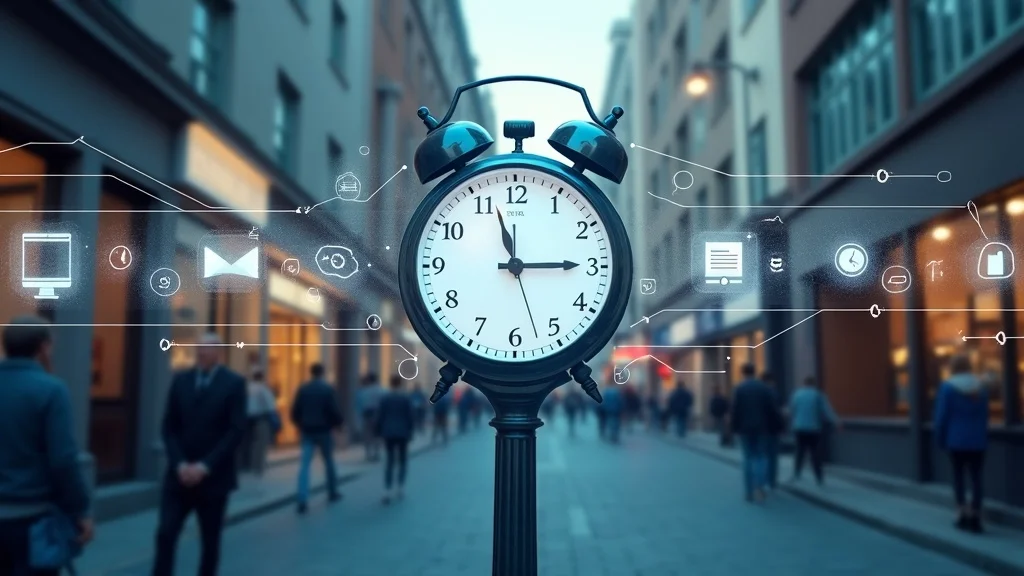
In business, as in life, timing is everything. Even the most interested website visitor may not be ready to buy today—but that doesn’t mean they’re lost. Understanding the rhythms of your customer’s decision-making can dramatically affect your customer acquisition cost. The gap between a first visit and a conversion is often your biggest opportunity for growth.
Many companies make the mistake of flooding new visitors with offers or information, hoping for an instant sale. But if the timing is off, this can feel overwhelming or irrelevant. Savvy businesses use this knowledge to nurture relationships, following up gently and remaining visible—to catch the customer precisely when they’re ready to buy.
Timing and Its Impact on Customer Acquisition Costs
Missing the right moment can mean missing a sale—and paying again to reacquire the same person later. When you respect online buying decisions and patiently nurture leads over time, you lower your chances of losing potential customers forever. This “follow-up” period is when retargeting, display advertising, and thoughtful outreach shine, helping you reduce wasted marketing attempts and radically improve your overall acquisition ratios.
Well-timed outreach—whether it’s an email reminder or a relevant ad—bridges the gap between a curious browser and a loyal customer. Businesses that master the art of timing end up paying less for every new customer, since their acquisition cost is spread across more effective, high-converting touchpoints.
Why Repeated Brand Visibility Increases Customer Engagement
People rarely trust or remember a brand after just one encounter. Multiple, well-timed touchpoints—a familiar logo in their social feed, a helpful remarketing ad, or a positive review—each layer trust. This approach, known as repeated brand visibility, increases the chance a visitor will engage and eventually buy.
In the world of customer acquisition advertising, the more positive encounters a customer has with your website, the lower your CAC ratio and the stronger your business model. Persistent, thoughtful presence—without annoyance or pushiness—keeps your brand top-of-mind, allowing you to recover lost opportunities when visitors are finally ready to say “yes. ”
How Businesses Lose Opportunities: Missed Value in Website Traffic and Acquisition Cost
Every unconverted visit to your website is a lost opportunity—but most businesses don’t see it that way. They focus on acquiring new clicks and page views, often ignoring the much bigger value in recovering existing traffic. If you don’t optimize your site for easy conversions, follow up with interested visitors, or welcome returning customers, your customer acquisition cost rises and valuable potential slips away.
This “leak” in your acquisition funnel doesn’t just waste money; it leaves a lasting mark on your business’s efficiency. That’s why understanding how people move through your site, what stops them, and what encourages them to return is so critical. Get this right, and you shift from simply chasing traffic to building a true growth machine.
Common Ways Businesses Leak Potential Customer Acquisition
Recognizing the common pitfalls in website visitor recovery is the first step to tightening your acquisition funnel. Let’s break down where most businesses lose value:

Unoptimized website experience
Lack of follow-up
Ignoring returning visitors
Underestimating the cost of lost website visitors
An unoptimized website slows visitors down and makes decisions harder. Lack of follow-up—such as forgetting to send a reminder email or retarget with an ad—lets potential customers slip away. Some companies fail to recognize the value in returning visitors, those who already know your brand but just need an extra push. Finally, too many business owners underestimate the actual cost of these lost opportunities, believing that “more traffic” is always the answer. In reality, making the most of the traffic you have is often the shortest path to lower acquisition costs and higher profits.
Acquisition Cost vs. Retaining Existing Customers
It’s far less expensive to keep an existing customer engaged than it is to convert a cold stranger. This isn’t just a “nice to have”—it’s a crucial rule in digital marketing. When you focus only on bringing in new leads while ignoring past visitors, your acquisition cost soars. But by nurturing, delighting, and serving those who already know you, you get more lifetime value from every marketing dollar spent.
Strong businesses know that every paying customer represents a long-term relationship, not a one-time sale. Building loyalty and engagement reduces churn and creates a base of advocates who might refer new buyers—lowering your overall CAC and stabilizing growth. In the end, recovering even a small percentage of lost visitors can change your entire cost equation.
“Recovering even a small percentage of lost website visitors can change your entire acquisition cost equation.”
How Website Lead Recovery Addresses the Customer Acquisition Cost Challenge
So, how can businesses reduce their customer acquisition cost and capture more value from their existing website traffic? The answer lies in website lead recovery. Instead of chasing ever-larger audiences, focus on identifying missed opportunities and re-engaging visitors who already showed some interest. This approach bridges the gap between lost visits and loyal customers, building a much more efficient path to growth.
Website Lead Recovery is about working smarter, not just harder. It’s about using analytics and simple engagement tools to spot where visitors drop off—and then gently guiding them back. This isn’t about heavy-handed sales tactics or overwhelming ads. It’s about recognizing human behavior, timing your outreach, and making sure your site is ready when a customer is finally prepared to act. By doing so, you lower your acquisition costs and create a more sustainable business model.
The Customer Acquisition Cost Equation: From Lost Visitors to Engaged Customers
Identifies missed opportunities
Re-engages lost visitors
Optimizes the path to acquisition
Lowers customer acquisition costs
Website Lead Recovery works by finding the moments when a visitor almost converts, but something small stops them—maybe a slow page, a confusing form, or an uncertain sense of trust. With thoughtful tools and messaging, you can invite these visitors back, provide answers to their lingering questions, and encourage a second (or third) look. Over time, each recovered lead drops your CAC, raises your average return on investment, and makes every advertising dollar more effective.

Integrating Website Lead Recovery With Your Existing Customer Acquisition Strategy
Website Lead Recovery isn’t a replacement for your advertising or outreach. Instead, it enhances your acquisition strategy by ensuring no valuable visitor is lost without a second chance. By combining recovery tactics—like automated follow-ups, smart retargeting, and personalized messaging—with your existing efforts, you supercharge your results. This integration means every penny spent on acquiring traffic has a higher chance of generating revenue.
As you combine these strategies, you’ll build a business model that’s less reliant on constant new traffic and more focused on getting real value from the audience you’ve already earned. It’s a more efficient way to grow, reduces your acquisition cost, and puts you back in control of your sales and marketing expenses.
The Benefits of Understanding and Optimizing Customer Acquisition Cost
Grow sales from your existing website traffic
Reduce waste from sales and marketing expenses
Increase your marketing ROI
Build long-term customer relationships
Recover lost website visitors efficiently
Businesses that understand—and act on—their customer acquisition cost are positioned to thrive. By focusing on recovery and optimization instead of endless new spend, you improve your margins and make your money work harder. This efficiency means you can invest more in delivering great experiences, building trust, and cultivating repeat customers. In the end, the smartest businesses see every visitor as a future customer, measuring acquisition cost not just as a number, but as a key indicator of growth efficiency.
“The smartest businesses treat every visitor as a future customer and measure acquisition cost as an indicator of growth efficiency.”
Frequently Asked Questions About Customer Acquisition Cost

What is an example of a customer acquisition cost?
A customer acquisition cost (CAC) example helps clarify the concept. Imagine a business spends $1,000 on advertising for one month and gains 25 new customers as a result. To calculate CAC, divide the total cost of marketing expenses by the number of new customers acquired. So, $1,000 divided by 25 equals $40 per new customer. This number helps businesses decide if their marketing efforts are delivering profitable results.
How is CAC calculated?
CAC is calculated by dividing your total sales and marketing expenses over a specific period by the total number of customers acquired during that time. The formula looks like: CAC = (Total Marketing Expenses) ÷ (Number of New Customers Acquired). For example, if you spend $2,500 on online advertising and related advertising efforts, and gain 50 customers, your CAC is $50. Knowing this number allows you to adjust your strategy for better efficiency and profitability.
What is a good CAC percentage?
A “good” CAC percentage depends on your business model and how much revenue you earn from each customer over their lifetime (CLV). Ideally, your CAC should be significantly less than the amount you earn from each customer—leaving room for profit. Many experts suggest aiming for a CAC that’s 20-30% of your average customer’s value, but the best benchmark always fits your industry, model, and margins. Always monitor both sides of the CAC ratio, ensuring you aren’t overspending just to chase more traffic.
What is CAC and CTR?
CAC stands for customer acquisition cost, which is the price you pay to gain each new customer. CTR, or Click-Through Rate, measures how often people click on your online ads compared to how many times they’re shown. While both relate to digital marketing, they serve different purposes: CAC tracks the cost of acquiring customers, and CTR tracks ad engagement. Businesses use both metrics to judge the success of their marketing campaigns and adjust strategies accordingly.
Key Takeaways for Reducing Customer Acquisition Cost and Recovering Lost Website Visitors
Customer acquisition cost is more than a metric — it’s a window into your business’s health
Most visitors leave your website, but that doesn’t mean they’re lost forever
Understanding online behaviors transforms your approach to digital marketing
Recovering website visitors is a faster way to lower acquisition cost than chasing cold traffic
Watch: Short explainer animation visually depicting a website losing and recovering digital visitors, with CAC markers. Animation shows increased conversions and reduced acquisition costs, reinforcing why Website Lead Recovery matters. (No text, brand-friendly colors, and smooth transitions. )
Discover More: Retain 100% Of Your Website Traffic
Learn how to turn missed opportunities into business growth at Website Lead Recovery.

Conclusion: Master Customer Acquisition Cost to Unlock the Real Value of Your Website Visitors
Rethink Your Customer Acquisition Strategy With a Focus on Recovery and Engagement
To grow your business efficiently, understand how humans buy online—then recover their attention when it matters. Website Lead Recovery isn’t just a technique, it’s a mindset.
If you’re ready to take your customer acquisition strategy to the next level, consider exploring the broader landscape of website lead recovery and retention. The Website Lead Recovery Insights resource provides in-depth perspectives on retaining more of your website traffic and building a sustainable growth engine. By learning how to capture and nurture every potential lead, you’ll unlock advanced techniques that can dramatically improve your marketing ROI and long-term business success. Start transforming missed opportunities into measurable results and discover how a holistic approach to lead recovery can future-proof your customer acquisition efforts.


Write A Comment