

Imagine this: After hours spent perfecting your website, launching campaigns, and driving clicks, almost everyone leaves without buying. It’s not the traffic you’re missing—it’s action. What if the best growth strategy isn’t simply attracting new visitors, but making sure the people who’ve already found you don’t slip through the cracks? This article uncovers how customer acquisition advertising works when you focus on recovering lost website visitors—and why understanding consumer behavior, trust, and timing drives sustainable business growth.
Understanding Customer Acquisition Advertising: An Introduction
Every day, businesses pour resources into getting people to their websites. Yet, more often than not, those visitors browse and vanish. Customer acquisition advertising isn’t just about reaching as many people as possible—it’s about understanding what happens after the click. Modern acquisition strategies are evolving: they center on what customers do, why they behave the way they do, and how you can truly earn their business—often by giving them a second (or third) chance to come back. If you’re only focused on new traffic, you’re leaving opportunity behind.
Today, smart businesses are rethinking their customer acquisition strategy. They’re asking: Why did that visitor leave? What could bring them back? How can we turn “maybe later” into “I’m ready now”? By shifting the focus from chasing fresh eyes to recovering interested (but undecided) visitors, you unlock powerful, compounding growth. In this article, we’ll show you why customer behavior, timing, and trust play a major role, and how website lead recovery can be the missing link in your marketing strategy.
What is customer acquisition advertising and why it matters today
How customer behavior shapes online purchasing decisions
Why most website visitors leave before buying
The hidden power of timing and repeated visibility in customer acquisition
How to recover lost website visitors and grow your customer base
Practical customer acquisition strategies for sustainable business growth

The Problem: Why Businesses Struggle With Customer Acquisition Advertising
“Most businesses invest in attracting website visitors, but only a small percentage ever convert. The real challenge isn’t traffic; it’s turning attention into action.”
Why Businesses Lose Website Visitors and Opportunities
Despite expensive marketing efforts, the majority of website visitors leave without taking action. This is not because the product or service isn’t appealing. Instead, it’s due to common behavioral patterns and missed opportunities along the way. The signs include low conversion rate, high website traffic with minimal engagement, and challenges building a loyal customer base. When visitors leave, they often don’t return—unless you provide a nudge. If you ignore what’s happening after someone visits, your acquisition strategies will always fall short.
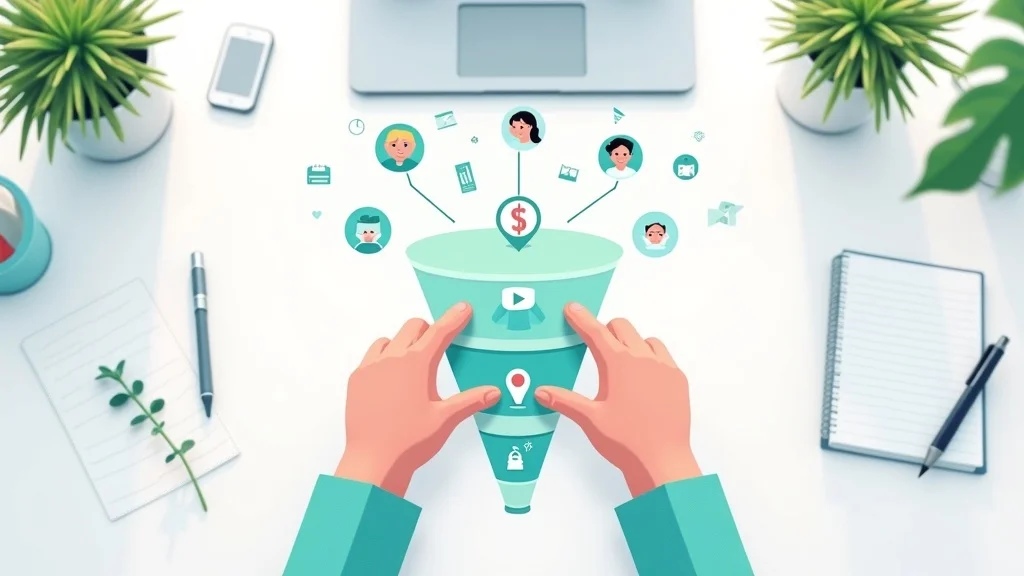
Think about it: many visitors are exploring, comparing, or simply not ready to purchase. Without a plan to re-engage these lost leads, businesses end up overspending on attracting new faces instead of cultivating relationships with people who’ve already shown interest. A customer acquisition funnel that only focuses on the top—getting more eyes—misses the much bigger opportunity lying in the middle and the bottom: converting warm, familiar visitors into paying customers.
Low conversion rates and lost leads
High website traffic with little engagement
Difficulty in building a loyal customer base

How Customer Acquisition Strategies Often Miss the Mark
Too often, customer acquisition strategies are built around one goal: get as many new visitors as possible. But pouring money into new traffic won’t solve the real problem if your site’s visitors quietly disappear. Another common mistake is misunderstanding where each visitor is within the acquisition funnel: some may be ready to buy, others are just starting research, and many need to see your brand again before acting.
Neglecting the customer journey and behavioral triggers leaves gaps. It’s not about bombarding everyone with the same message—it’s about guiding each person forward based on where they are, what matters to them, and what they need to feel comfortable. When acquisition efforts ignore these steps, you lose the chance to move visitors closer to becoming paying customers. A winning acquisition strategy balances acquiring new leads with nurturing (and recovering) those already interested.
Over-reliance on new traffic instead of recovering lost visitors
Misunderstanding of customer acquisition funnel stages
Neglecting the customer journey and behavioral triggers

To further understand the practical steps for bringing back those valuable visitors who left your site, you can explore actionable methods in this guide on how to recover lost website visitors. It offers specific tactics for re-engagement and maximizing the potential of your existing traffic.
Customer Behavior Explained: The Path from Visitor to Customer
From the moment someone lands on your website, they’re processing dozens of signals: trust cues, product details, pricing, ease of navigation, reviews, and more. Buying decisions rarely happen on the first visit—not because prospects aren’t interested, but because making a move takes time, confidence, and the right trigger. For many, trust grows through repeated exposure. This is where customer engagement and behavioral advertising play their part, subtly guiding someone down the acquisition funnel.
Trust and visibility help convert a potential customer into a paying customer. People are conditioned to hesitate online until they’re sure—they might leave to check reviews, Google for alternatives, or simply get distracted. Your marketing strategy should be built around these real-world behaviors: provide reminders, reinforce your brand’s credibility, and show up when someone is most receptive. Understanding the customer acquisition funnel is about getting into the mind of your audience—forging enough touchpoints that you’re the obvious choice when they’re ready.
How website visitors make buying decisions
The role of trust and visibility in customer acquisition
Behavioral advertising and customer engagement

The Importance of Timing in Customer Acquisition Advertising
Have you ever noticed that most people don’t buy the first time they see an offer? That’s not an accident—it’s human nature. Timing is one of the most important, yet most overlooked, elements of customer acquisition advertising. The science is simple: the more someone sees your business at the right moments, the more likely they are to trust, remember, and eventually buy from you. This phenomenon explains why repeated visibility increases conversion rate.
Most buying decisions happen after a series of exposures—sometimes days, weeks, or even months after that first visit. When you surface at key points in the decision process (a Google search, a social media scroll, a return to check a cart), you align your message with readiness to buy. The lesson? It’s not about being everywhere; it’s about being there when it matters most.
Why repeated exposure increases conversion rate
The science of customer timing and buying decisions
Why Timing Matters in Customer Acquisition Advertising
“Most people don’t buy the first time. Timing and visibility are what turn curious visitors into loyal customers.”
Repeated Visibility and the Building of Trust
Trust isn’t built in a single interaction. Customer acquisition advertising that factors in repeated, relevant visibility outperforms hit-and-run tactics every time. Display advertising and search engine optimization are tools that, when used thoughtfully, can nurture trust and familiarity. By appearing across different channels—whether through a Google search, a Facebook post, or a friendly reminder on another site—you reinforce your message in a gentle, recurring way.
This principle is sometimes called the 80/20 rule in customer retention: a small number of loyal customers will often drive the bulk of your sales. When you repeatedly show up for these visitors, they’re more likely to move from “just looking” to “ready to act,” and, importantly, become valuable parts of your customer base. Ultimately, it’s about patience and persistence—being present without being pushy.
Display advertising and search engine optimization
The 80 20 rule in customer retention

Customer Acquisition Strategy: Balancing Patience and Persistence
A successful customer acquisition strategy is not just about persistence; it’s about smart, well-timed reminders that respect the buyer’s journey. If you push too soon, you risk seeming aggressive; if you wait too long, you’re forgotten. The art lies in measuring, understanding, and gently re-engaging at points of highest relevance—delivering value and inspiring confidence at each step.
Behavioral advertising, retargeting, and remarketing become powerful only after you first recognize the natural rhythm of inquiry, hesitation, and decision-making in your audience. The best acquisition strategies are the ones that help potential customers feel recognized and supported—invited back, not just hounded for a sale. Mastering this balance is what sets enduring, trusted brands apart.
How Businesses Miss Opportunities in Customer Acquisition Advertising
The Real Costs of Lost Website Visitors
Every visitor who leaves your site without acting is more than a lost click; it’s a missed opportunity for growth. Investing in paid advertising to bring people to your site, only to lose them at the last moment, is like pouring water into a leaky bucket. The true cost isn’t just what you spent to get them there—it’s the value they could have brought if they’d become a paying customer. These opportunity losses add up, silently eroding your return on every marketing campaign.
Many businesses overlook the importance of re-engagement in their acquisition strategies. They repeat the cycle—launch, attract, lose, repeat—without pausing to fix the leaks. The simple fix isn’t always spending more on new traffic; it’s about recovering those who’ve already expressed some interest and moving them further down the acquisition funnel. Recognizing and addressing this gap is crucial for long-term business health.
Understanding opportunity loss in paid advertising
Common mistakes in acquisition strategies

Mistargeting and the Search for the Right Audience
Another major pitfall: sending your message to the wrong people. Many marketing strategies cast too wide a net, desperate to attract anyone and everyone, even if they have little interest in what’s offered. While some new visitors may convert, focusing exclusively on cold traffic rarely builds a strong customer base. Effective audience segmentation—identifying segments most likely to become loyal—brings marketing efficiency and smarter acquisition.
The best acquisition strategies prioritize returning visitors. Why? Because those who already know your brand, have visited your site, and shown some engagement are far more likely to become paying customers. Content marketing, email marketing, social media, and connected digital advertising tactics should all reinforce your presence for those closest to becoming customers—not just those at the very top of the funnel.
Target audience segmentation and the problem of cold traffic
Why customer acquisition strategy should focus on returning visitors

How Website Lead Recovery Solves the Customer Acquisition Challenge
Comparing Customer Acquisition Advertising Tactics | |||
Approach |
Focus |
Best For |
Opportunity |
|---|---|---|---|
Traditional Acquisition |
Attracting new visitors |
Brand awareness, expanding reach |
Limited without recovery; always chasing new traffic |
Retargeting/Remarketing |
Recovering lost visitors |
Warming up prospects, increasing conversion rate |
Unlocks more value from existing investment |
Lead Recovery |
Re-engaging interested visitors |
Boosting ROI, building loyalty, nurturing customer lifetime |
Transforms leaky bucket into a compounding asset |
Recovering Lost Website Visitors Through Digital Display Ads
Once you understand behavior, technology becomes a tool. Digital display ads work by reminding past visitors about your business while they browse other sites. Known as retargeting or remarketing, these methods focus on recovering missed opportunities—people who almost became paying customers but hesitated. Platforms like Google Display Network and Meta advertising (Facebook and Instagram) make it possible to show tailored messages to these visitors, wherever they go online.
The difference between traditional acquisition and recovery tactics is night and day. Standard ads target cold audiences; retargeting directs your message to people with actual interest. This approach is grounded in behavioral advertising—responding to what people do, not just who they are. When you follow up with content that matches what a visitor saw, wanted, or almost purchased, you turn lost website visitors into repeat opportunities for conversion.
Retargeting versus traditional acquisition strategies
Remarketing and behavioral advertising explained
Role of Google Display Network and Meta advertising

Bridging the Gap: From Website Traffic to Conversion
Traffic alone is never enough—you need a plan for turning visitors into customers. Beyond display ads, smart businesses use a mix of content marketing, social media engagement, and email marketing to keep conversations going. Each tactic is designed to re-engage potential customers, validating their interest, answering objections, and creating new reasons to act. Even referral programs leverage satisfied customers to draw others in, creating compounding growth.
The secret is integration: matching your messages to the moment, nurturing trust, and delivering value alongside reminders. The ultimate goal is simple but profound—to move as many people as possible from “maybe” to “yes. ” In doing so, your customer acquisition strategy becomes scalable, sustainable, and rooted in behavioral truths—not just advertising tricks.
Techniques to increase conversion rate
Re-engaging potential customers via content marketing, social media, and email marketing
Using referral programs to expand your customer base

Benefits of Customer Acquisition Advertising Focused on Website Lead Recovery
Maximizing value from existing website traffic
Improving customer lifetime value
Building sustainable acquisition strategies
Strengthening brand awareness and customer engagement
“Recovering just a fraction of lost website visitors can drive significant growth — it’s smarter to work with what you already have.”
Focusing on website lead recovery unlocks growth that’s easier and less risky than endlessly hunting for new clicks. Existing visitors already know you. They’ve shown interest, interacted, and just need a nudge to move forward. By increasing the share of returning, converting customers, you build a stable foundation for revenue. This approach also strengthens brand awareness, makes your acquisition efforts more efficient, and helps you understand what turns an interested visitor into a loyal customer.
In the long run, the most powerful customer acquisition advertising strategies reward patience and insight over brute force shotgun tactics. While it’s tempting to seek a stream of fresh faces, nurturing and recovering those who already know your value fosters loyalty, sustainable repeat business, and the kind of word-of-mouth that money can’t buy.
Frequently Asked Questions About Customer Acquisition Advertising
What is customer acquisition in marketing?
Customer acquisition is the process of turning website visitors into paying customers through online advertising, engagement strategies, and follow-up.
What is the 3-3-3 rule in sales?
The 3-3-3 rule refers to quickly reviewing 3 facts about a prospect, finding 3 relationships in common, and preparing 3 ways to add value—helpful for understanding prospects in acquisition strategies.
What's the difference between CAC and CPA?
CAC is Customer Acquisition Cost (the total cost to acquire a customer); CPA is Cost Per Acquisition (the cost for one specific conversion action). Both are crucial in measuring acquisition strategies.
What is the 80 20 rule in customer retention?
The 80 20 rule means 80% of your results come from 20% of your efforts. In customer retention, it means that a small percentage of your customers often make up the biggest part of your sales.
Key Takeaways: Mastering Customer Acquisition Advertising for Business Growth
Success isn’t just about getting more visitors—recovering lost website visitors matters more
Understanding customer behavior helps business owners improve customer acquisition
Timing, visibility, and repeated engagement drive conversions
Customer acquisition advertising should focus on both new prospects and recovering existing traffic
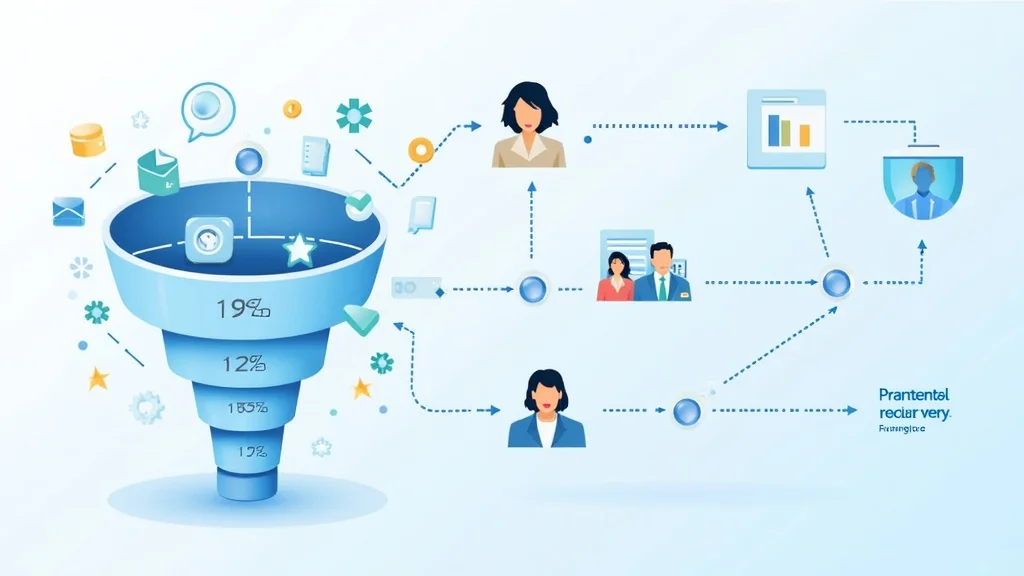
Next Steps to Retain and Recover Lost Website Traffic
Focus on recovering existing website visitors before chasing new ones
Study buying decisions and customer behavior at every stage
Strengthen your acquisition strategy with data-driven insights and customer feedback
Continue Learning About Customer Acquisition Advertising
Explore topics like Retain 100% Of Your Website Traffic, Why Timing Matters, and Recover Lost Website Visitors
Ready to Make Every Website Visitor Count?
If you’re ready to take your customer acquisition strategy to the next level, consider diving into a broader perspective on maximizing your website’s potential. The Website Lead Recovery Insights resource offers in-depth analysis and advanced approaches for retaining more of your hard-earned traffic. By exploring these insights, you’ll uncover new ways to strengthen your brand, improve conversion rates, and build a more resilient business foundation. Let your next step be a smarter, more holistic approach to customer acquisition—one that turns every visitor into a lasting opportunity.


Write A Comment