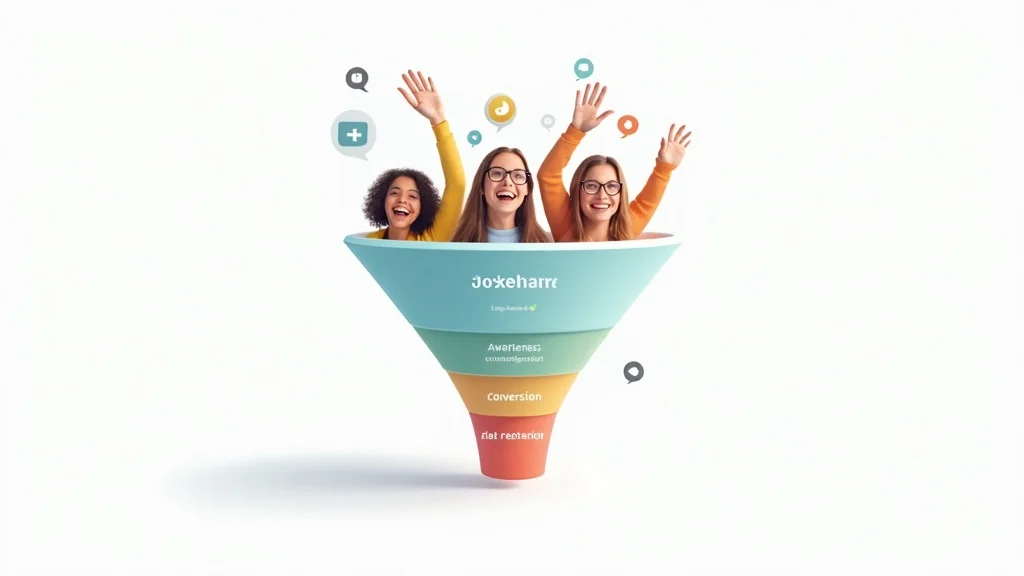
Imagine someone visits your website, spends time exploring your products, clicks around, and then — without a word — leaves. The window closes. Days pass. Another visitor does the same. Why does this happen so often, and what can businesses do to bring those visitors back? Understanding brand awareness advertising is the critical first step to transforming lost website visits into loyal customers. In this guide, we’ll uncover why most people don’t buy on their first visit and how steady, memorable online presence leads to bigger business growth over time.Introduction: Why Brand Awareness Advertising Shapes Customer DecisionsEach day, businesses spend time and money driving people to their websites, hoping for instant sales or sign-ups. But the truth is, most website visitors don’t become customers right away. Why? It all comes down to how people make decisions online. Brand awareness advertising helps keep your business fresh in people’s minds, so when they are ready to act, your brand feels familiar and trustworthy. By understanding how connections form between online visitors and businesses, you’ll learn that advertising isn’t about shouting the loudest but about becoming a steady, recognizable presence in your audience’s journey.Why most website visitors leave without taking actionHow brand awareness advertising shapes visitor behaviorThe science of trust and long-term customer decisionsStrategies for building brand recognition and equityHow to recover lost website visitors by staying top-of-mind The Problem: Why Most Website Visitors Leave Without Taking ActionIf you check your website analytics, you may notice something surprising: most people who land on your site leave without buying, signing up, or reaching out. This isn’t just your business — it’s the reality for most. Businesses struggle to build brand loyalty when so many interactions end in silence. Why does this happen? Most visitors are not ready to commit during their first encounter. They’re researching, comparing, or just browsing. The typical online journey is full of distractions, options, and split-second decisions. Without a strong, memorable brand presence, your site becomes just another stop on their quest for the right product or service. Only a handful are ready to make a choice right away, but the rest? They’re deciding who to trust, and often, that decision comes later, after several exposures to the same brand.Simply put, a lack of brand awareness means your website is easily forgotten. The online world moves fast — visitors might be interrupted by a text, caught by a social media notification, or tempted by another tab. When your brand doesn’t stand out or isn’t repeatedly visible, people move on and rarely find their way back by chance. Failing to develop brand recognition costs potential connections, leaving a trail of missed opportunities behind with every closed tab.Observing Customer Behavior OnlineHave you ever watched how people interact with websites? They scan headlines, glance at images, and decide within seconds if a site is worth exploring further. Most won’t scroll far. This behavior is shaped by two things: short attention spans and cautious decision-making. People don’t trust businesses after just one meeting. They want to feel comfortable — to see your brand more than once, to notice you in different places, and to feel like you’re part of their online world. Recognizing these natural behaviors is the heart of Website Lead Recovery. When you understand how visitors behave, you start to see why traditional one-and-done marketing campaigns rarely capture the full potential of your website traffic.Online customers look for signals of a strong brand: consistent visuals, clear messages, and frequent appearances in their digital lives. These cues slowly build trust and recognition. People need reminders — through brand awareness advertising — before deciding to interact. If your site is one in a crowd of similar options, the odds that they’ll remember and return are low, unless you give them a reason to keep you in mind.To deepen your understanding of how to turn lost website visitors into valuable leads, explore actionable strategies and real-world insights in this comprehensive guide to website lead recovery. It offers practical steps for reconnecting with your audience and maximizing the impact of your brand awareness efforts.Why This Happens: The Nature of Online Buying DecisionsWhy don’t people purchase on the first visit? It’s rarely about the price or features — more often, it’s about trust and timing. Online decision-making is cautious by nature. People know that anyone can run a slick website, but not everyone delivers on their promises. This is where the concept of brand awareness becomes vital. When visitors recognize your name and trust your credibility, everything about the buying process feels less risky. Generating that trust doesn’t happen overnight.Brand awareness advertising is designed to overcome the biggest obstacles to conversion: doubt and forgetfulness. Instead of expecting an instant sale, these campaigns prioritize being top-of-mind when a potential customer is finally ready. The more someone encounters your brand — across social media, digital display ads, or even video ads — the more familiar and trustworthy you become.Understanding Brand Awareness and Its Impact on Website TrafficBrand awareness means that people recognize and remember your business, even after they leave your site. Think about how you might see the same ad or logo several times a week — eventually, you recall the brand without effort. This effect is deliberate. Brand awareness campaigns use repeated exposure to slowly build comfort, growing the chance that a visitor returns. Strong brand recognition is not about pushing a hard sale, but about placing your business among the familiar options when it’s decision time.Higher brand awareness drives more qualified website traffic over time. When people recall your business, they’re more likely to return directly, engage with your content marketing, and explore your service in greater detail. Such visitors often move further along the customer journey — from research to engagement to decisive buying action. That’s why increasing brand awareness should be part of every business’s long-term growth strategy. Customer Behavior Explained: Building Trust Through Brand Awareness AdvertisingTrust is the invisible currency that fuels every online interaction. Before people buy, they need to feel secure in their choice. Brand awareness advertising is the process of building that security over time, brick by brick. By showing up consistently in a potential customer’s digital landscape — whether through display ads, social media, or video ads — businesses prove their reliability. As each digital impression adds up, skepticism fades, and comfort grows.Brand building isn’t accomplished with a single campaign. It’s a process of providing value, sharing stories, and demonstrating reliability so that, eventually, your business occupies a trusted spot in the mind of your audience. Each interaction, like a helpful blog post or a friendly comment on social media, deepens the relationship. That’s why recovering lost website visitors is about continuing the conversation, not forcing an immediate decision.How Brand Awareness Campaigns Influence the Customer JourneyA brand awareness campaign gently guides customers through the stages of discovery, consideration, and action. At first, a visitor knows nothing about you. So, your goal is simply to become visible. Once your brand is seen, subtle reminders — a display ad here, a short video ad there — help move potential customers from unfamiliar to familiar, then from curious to interested. By the time they’re ready to act, your business already occupies a trusted place in their mental shortlist.That’s why Website Lead Recovery works best when paired with consistent brand awareness campaigns. The journey from “just browsing” to “ready to buy” is rarely a straight line. Brand recognition nudges people past hesitation every time they see your name in different but familiar contexts. A customer might finally click your call-to-action weeks after first learning about your company — but that final step is built on many earlier brand touches.The Psychology behind Brand Recognition and Brand Recall OnlineThe human brain uses shortcuts when making choices, especially online. We trust what we recognize. This is called the “mere exposure effect”: the more often we see something, the more we like and trust it. Brand recall is what happens when a customer recognizes your brand among competitors because they’ve seen you before. But brand recall requires more than a single touch. Studies show most people need to see a brand several times — sometimes seven or more — before acting.Brand awareness advertising makes this psychological principle work in your favor. When you appear where your customers are — on their favorite news sites, in their social media feeds, or within relevant videos — each impression slowly chips away at doubt. Over time, seeing your brand becomes normal. When the moment comes to make a decision, your business feels safer, more reliable, and worth a closer look.Why Timing Matters: Staying Visible When Customers Are Ready to DecideTiming is everything in online buying behavior. Customers might discover your website today, but not need your product or service until next week, next month, or next year. If your business isn’t visible at their moment of need, the opportunity passes you by. This is why consistent brand awareness efforts are so valuable — they keep you top-of-mind, so whenever customers are finally ready to buy, you’re already a familiar choice.Think about how often you see an ad and ignore it, only to remember it weeks later when you actually need that solution. Strategic visibility — across various digital touchpoints — means you’re present throughout each customer’s journey, ready for those critical decision points. Being forgettable is costly; being familiar is profitable. Increase Brand Awareness and Trust with Consistent Customer EngagementCustomer engagement isn’t about bombarding people with messages. It’s about being part of their world in small, meaningful ways: helpful articles, interesting social media posts, friendly responses to comments, or targeted digital ads that offer a solution right when it’s needed. Each of these touchpoints is a brick in the trust-building wall. When you increase brand awareness through such engagement, customers naturally start to trust you more.Over time, these repeated, positive experiences create a sense of comfort. Instead of feeling pushed, visitors encounter your brand as a regular part of the online landscape. That’s how trust is formed — not overnight, but through steady, repeated exposure, always with the customer’s needs at the center.The Role of Repeated Exposure in Brand Equity and Aided Brand AwarenessEvery time your brand appears before a potential customer — whether in a display ad, a social media post, or a quick video ad — you build what’s called "aided brand awareness. " That means when asked about your industry or niche, people can name your business because they’ve seen you enough times to remember. The more memorable interactions you create, the stronger your brand equity becomes.This is why brands invest in multi-channel strategies — to maximize the number of meaningful touches with their audience. Repeated, positive exposure leads to higher trust, better recall, and eventually, to that all-important first purchase. Over time, you’re not just another option, but a familiar, reliable partner for your customers.How Businesses Lose Opportunities: The Cost of Ignoring Brand Awareness AdvertisingWhen businesses focus only on instant results — such as direct sales or lead capture — they often ignore those who aren’t quite ready. The mistake? Assuming every visitor is ready to buy, and treating them all the same. Ignoring brand awareness means missing the chance to nurture future buyers. Over time, the true cost isn’t just lost revenue, but lost relationships, market share, and the momentum that comes from steady, visible presence.Every lost website visitor represents more than just a missed sale; it’s a missed opportunity to become a trusted option for future buying decisions. Without ongoing visibility, your business fades into the digital background, and returning traffic never materializes. Recovery is possible — but only if you approach customer acquisition as a long game built on awareness, not just instant action.Awareness Campaigns vs. Direct Response Campaigns – A Behavioral PerspectiveThere are two main kinds of digital advertising: awareness campaigns and direct response campaigns. Awareness campaigns focus on visibility and trust, showing your brand to a wide but relevant audience over time. Direct response campaigns aim for instant results — clicks, calls, or purchases. While direct response is important for capturing those ready to act, it neglects the larger group still weighing their options.From a behavioral perspective, awareness campaigns are about building connections and seeding future growth. Most people need several positive experiences before making big decisions. Brands that invest only in immediate sales leave too many opportunities on the table. The best results come from blending both: awareness to build relationships and direct response to convert the ready few. Common Reasons Businesses Fail to Build Brand RecognitionWhy do some businesses remain invisible online, even after investing in advertising? The main reason is the “one-and-done” mindset: focusing only on cold traffic or one-off campaigns. Businesses may launch a flashy marketing campaign for a week or two, then stop. Without repetition, the brand never sticks. Others fail to unify their message, causing confusion about who they are and what they offer.Another roadblock is underestimating the importance of creative content. Poor visuals, bland messaging, and inconsistent branding make it hard for visitors to recognize or recall your business. Brands that succeed combine clear visuals, consistent messaging, and ongoing digital presence — always aiming for genuine connection and trust, not just conversions.How Website Lead Recovery Solves the Problem: Recovering Lost Website VisitorsMany businesses accept website visits as lost forever when visitors don’t act immediately. But Website Lead Recovery offers a different path. By combining brand awareness advertising with smart follow-up strategies, you can turn lost website visitors into loyal customers over time. This isn’t about pestering or chasing cold traffic — it’s about showing up where your visitors go next, gently reminding them of your brand whenever they’re ready to re-engage.This approach leverages the principles of recognition, trust, and timing. Visibility alone isn’t enough; it must be consistent and relevant. Through display ads, social media content, or retargeting campaigns, your brand becomes a familiar choice, increasing the likelihood that returning visitors convert. Instead of losing people to the noise of the internet, you recover lost website visitors by remaining present in their digital lives.From Lost Website Visitors to Loyal Customers through Brand Awareness AdvertisingConversion often happens after several visits, not just the first. By nurturing visitors over time with brand awareness campaigns, you recover lost opportunities in a way that feels natural and respectful. Shoppers don’t feel pressured — instead, they feel remembered and valued. When they finally return, it’s because your brand was present, positive, and available at the right moment.As your brand earns repeated exposures, those who once browsed and left become returning visitors — and, in time, loyal customers. This process costs less than constantly attracting new cold traffic and delivers higher customer lifetime value, since trust grows with every touch.The Relationship between Brand Awareness, Customer Acquisition, and Website ConversionThese three elements — brand awareness, customer acquisition, and website conversion — are deeply connected. High brand awareness pulls in more qualified website visitors. Over time, familiarity encourages more people to take action. When those who return feel trust and recognition, conversion rates improve naturally. Recovering lost visitors isn’t about chasing, but about being reliable and recognizable at every step.This holistic approach turns website lead recovery into a sustainable growth strategy. It brings together behavioral insights, repeated engagement, and a commitment to long-term value instead of one-time transactions. That’s how lasting customer relationships are built online. Benefits of Brand Awareness Advertising for Customer AcquisitionBrand awareness advertising isn’t just about growing your online presence — it’s about building relationships that drive real business growth. Each campaign, touchpoint, and impression works together to increase brand visibility, trust, and engagement. Over time, you do more than fill a sales pipeline; you create a community of returning visitors and lifelong customers. The key benefit? A business that grows steadily as awareness compounds, increasing both direct visits and conversions.By dedicating resources to build brand awareness, companies enjoy a continuous stream of warm website visitors who are more likely to take action. Rather than relying on sporadic spikes in traffic, brands with awareness campaigns maintain a healthy, sustainable flow — one that can be measured, optimized, and scaled as your reputation strengthens.Increasing Brand Awareness to Boost Website Traffic and Lead GenerationThe more people recognize your brand, the more likely they are to return to your website, tell friends about your business, and respond to your marketing campaigns. This creates a virtuous cycle — recognition brings traffic, traffic increases engagement, and engagement breeds loyalty. Techniques like display advertising, social media promotion, and video ads help businesses increase brand awareness at every stage of the buyer’s journey.As website lead recovery strategies combine with consistent awareness building, your site becomes a destination instead of a detour. More visitors arrive ready to engage, and your marketing efforts continually build on previous successes. Lead generation is no longer a chase; it’s a rhythm of attracting, engaging, and converting warm, familiar audiences.How to Build Brand Equity for Long-Term Business GrowthEvery successful business has what’s known as brand equity — the added value a recognizable, trusted brand brings above and beyond the products or services it sells. This equity is built over time, through consistent positive experiences, clear messaging, and reliable follow-through. Brand awareness campaigns are the foundation for this kind of equity. By delivering value at every contact, you are not just seen, but respected.Strong brand equity means customers choose you even when competitors offer something similar. It allows you to command higher loyalty and greater word-of-mouth. Focusing on long-term value — by nurturing instead of “selling” — is the smart path for businesses looking to grow sustainably year after year.Driving Customer Engagement and Improving Website Conversion RatesEngagement and conversion don’t start with a sales pitch; they start with familiarity and comfort. When visitors see your brand repeatedly — in helpful guides, engaging social posts, and smartly-placed display ads — they begin to trust your expertise and intent. Website Lead Recovery bridges the gap between a forgotten visit and a renewed interaction, using these moments of engagement to drive higher conversion rates.The result is a healthy, active pipeline — full of potential customers who know, recognize, and trust your brand. Conversions rise when engagement feels authentic, and your business becomes not just another link, but a trusted resource in your visitors’ digital routine. Strategies to Build Brand Awareness OnlineBuilding brand awareness online is about meeting your audience where they are and giving them reasons to remember you. Hard-selling rarely works; education, entertainment, and consistency do. A wide range of digital strategies can help you increase brand awareness and keep your business top-of-mind: content marketing, display advertising, social media, video ads, and behavioral advertising are just the beginning.The best strategies blend informative content with thoughtful visibility, making your brand familiar long before customers are ready to buy. Each approach supports a larger goal: transforming website traffic into ongoing relationships.Effective Content Marketing and Display Advertising TacticsContent marketing is about sharing useful, relevant information with your target audience — not just selling. Blog posts, how-to articles, infographics, and case studies set your brand up as a helpful guide in your industry. Display ads complement this by reminding visitors of your brand as they browse other sites. Think of it as leaving breadcrumbs across the web, guiding potential customers back to you whenever they’re ready.When content and display ads work together, you reach people at two crucial moments: when they actively seek solutions, and when they’re just browsing. This double visibility increases the odds your brand will be remembered, building awareness and trust with every visit.Leveraging Social Media and Video Ads for Brand RecognitionSocial media gives businesses a real voice. Sharing stories, celebrating customers, or answering questions in real time helps your audience connect with you personally, not just as a business. Meanwhile, short, engaging video ads deliver messages quickly and memorably, working double duty for audiences on the move.Both strategies build familiarity. Social media is ongoing, allowing for daily engagement and community-building. Video ads, placed on the right platforms, introduce your brand with storytelling and visuals that stick. The key to effective brand recognition is repetition with variety—show up often, but always with something valuable to say.Retargeting and Behavioral Advertising for Enhanced Brand RecallNot every visitor is ready to engage immediately, but retargeting ensures your brand isn’t forgotten. Behavioral advertising uses small reminders — like a display ad appearing after someone has left your site — to reinforce recognition. These ads don't pressure; they gently reactivate interest by appearing in places your visitors already trust.Enhanced brand recall happens when these reminders coincide with a customer’s decision-making timeline. That’s why retargeting is most powerful when combined with ongoing, value-driven content and visible branding. Over time, your business moves from being a one-time option to a natural first choice. Integrating Brand Awareness Campaigns with Website Visitor RecoveryThe real magic happens when your brand awareness and website visitor recovery strategies work together. After launching an awareness campaign, use website visitor recovery to reconnect with those who expressed even a little interest. Gentle reminders through retargeting or follow-up content encourage them to give your business another look.This integrated approach isn’t about quick wins. It’s about building trust and increasing the lifetime value of each visitor. When a business stays present and attentive, more leads return and convert—growing sales and relationships at the same time.Visual Guide: Understanding the Customer Journey Stages with Brand Awareness Advertising (See accompanying video for an illustrated walk-through of each customer decision stage. )Measuring Brand Awareness: Understanding What WorksYou can’t improve what you don’t measure. Measuring brand awareness means looking at data beyond clicks and direct responses. Instead, focus on broader signals: how often people recall your brand, how they interact with your posts, and how many returning website visitors you have. Key metrics include direct traffic growth, social media mentions, ad impressions, and aided brand awareness surveys.Success looks like a growing number of people familiar with your business, talking about you online, and returning to your website without prodding. High-performing brands combine data from multiple digital marketing channels to understand both the reach and quality of their awareness campaigns. Key Metrics for Measuring Brand Awareness and Brand EquitySome of the best indicators of rising brand awareness include: how many people search for your business by name, visit your site directly, or mention you on social media. For brand equity, look at loyalty rates — how often customers return — and average order sizes. Surveys measuring aided brand awareness (people recognizing your brand from a list) or spontaneous recall also help show how well you’re standing out in a crowded market.Tracking these metrics over time allows you to refine your strategies, identify what resonates most with your target audience, and invest where awareness brings the biggest rewards.Aided Brand Awareness and Brand Recall: What to TrackAided brand awareness is measured by asking people if they recognize your brand when prompted. Brand recall is a step further — can they name your business without any prompts? Both are signs your advertising campaigns are working. Metrics to watch include: direct website visits, repeat customers, social shares, and engagement rates on your content marketing efforts.The higher your aided brand awareness and brand recall, the easier it becomes to recover lost website visitors and drive conversions from first-time or returning browsers.Building Brand Awareness into Your Website AnalyticsMost analytics tools allow you to track sources of returning traffic, average time on site, and frequency of visits. Set up goals around these behaviors: Are more people typing your website URL directly? Are repeat visits increasing after your awareness campaigns run? Combine these insights with engagement metrics from content marketing and social media feeds to get a complete picture of your brand awareness efforts.Consistent improvements in these areas mean your brand is getting stickier, and your website lead recovery tactics are turning lost opportunities into lasting gains.Comparing Brand Awareness Campaigns and Direct Response Campaigns (Benefits and Limitations)Campaign TypeBenefitsLimitationsBrand Awareness CampaignsBuild long-term trust, increase brand recall, attract repeat visitors, grow audience gradually, improve brand equitySlower ROI, harder to measure immediate sales, requires patience and consistent messagingDirect Response CampaignsDrive immediate actions, easy to track conversions, suitable for time-sensitive offers, effective for ready buyersDoes not build long-term relationships, limited reach for hesitant or new customers, can be ignored by "just browsing" trafficReal-World Examples: Successful Brand Awareness Campaigns"Most customers need to see you several times before they trust your brand enough to buy. "Think about the last time you chose a service online. Chances are, you picked a company you’d seen before — maybe through sponsored content, a display ad on your favorite blog, or a recommendation from a friend. The world’s top brands, from local stores to global icons, have one thing in common: their names and visuals show up in all the right places, again and again. This familiarity builds trust and influence, quietly guiding customers from browsers to buyers, sometimes over weeks or even months. Case Study: Turning Website Visitors into Customers via Brand Awareness AdvertisingA local coffee shop noticed hundreds of website visits each month but few online orders. By running a simple brand awareness advertising campaign — sharing stories on social media, launching retargeting display ads, and adding video ads showing behind-the-scenes moments — they saw a steady increase in returning visitors and direct online orders. Customers reported choosing the shop when they next craved coffee because “they kept popping up in my feed, so I gave them a try. ” Website lead recovery worked by making the shop familiar, and therefore trusted, when the buying moment finally came.Even for established businesses, the lesson is the same: Website Lead Recovery and brand recognition strategies turn lost traffic into customer growth by making it easy to remember and easier to choose.Behavioral Insights: What Sets Winning Brand Awareness Strategies ApartWinning brand awareness campaigns always focus on the human side of marketing. They recognize that customers act when they feel connected, not just informed. These brands build trust by appearing where their audience naturally spends time, sharing genuine stories, answering questions, and reinforcing their presence through consistent, friendly reminders. Instead of pressing for sales, they become a valued part of their customers’ routine, making repeat business almost automatic.It’s this steady approach — prioritizing relationship over transaction — that powers successful website lead recovery and long-term business growth.People Also AskWhat are brand awareness ads?Answer: Brand awareness ads are designed to make more people recognize and remember your business. They use simple messages and strong images to stay in a customer's mind, even when they're not ready to buy. This helps keep your brand top-of-mind, so when they need your product or service, your business is their first choice.What is the 3-3-3 rule in marketing?Answer: The 3-3-3 rule in marketing reminds businesses to craft messages that can be noticed and understood in the first three seconds, with three ideas, and by three main types of audience. It’s about being quick, clear, and relevant—helping your brand get remembered in a crowded online space.How does advertising create brand awareness?Answer: Advertising creates brand awareness by keeping your brand visible across multiple touchpoints—like social media, display ads, and video ads—so customers recognize you over time. Frequent exposure builds familiarity, trust, and eventually makes people think of your business first when they’re ready to buy.What is the 3 7 27 rule of branding?Answer: The 3 7 27 rule says people need to see your brand three times to notice it, seven times to remember it, and 27 times to become loyal. Showing up regularly is key to moving customers from awareness to long-term relationships. Brand awareness advertising is all about helping your brand get those touches.Educational Animation: How Website Lead Recovery Helps Recover Lost Website VisitorsFrequently Asked QuestionsWhy don't most customers buy on their first website visit? Most people are not ready to buy the moment they visit a new website. They want to gather information, compare choices, and be sure they can trust your business. Multiple visits give them time to learn who you are and what you offer. A familiar brand, seen several times, feels safe and trustworthy, making purchase decisions easier when the time is right.How can I measure if my brand awareness advertising is working?Track data like direct website visits, returning visitors, social media mentions, engagement rates, and responses to customer surveys. Watch for increases in people searching for your brand name or coming back multiple times. The more you see these numbers rise, the more your brand awareness efforts are paying off.Is building brand awareness more important than direct sales?Brand awareness and direct sales work together. Without awareness, you limit your sales to the small number of ready-to-buy customers. Building brand recognition ensures a healthy flow of leads willing to buy both now and in the future, making your business stronger and more resilient.What are cost-effective ways to increase brand awareness online?Simple, powerful tactics include posting useful content on your website, sharing stories on social media, running small-scale video ads, and using retargeting to remind visitors about your business. Consistency matters more than budget — steady, helpful outreach builds awareness over time.How do brand awareness campaigns fit with existing marketing strategies?Brand awareness campaigns lay the groundwork for every other marketing effort. If your audience already knows and trusts your name, your sales messages get better results. Integrate awareness campaigns with your other channels, so your brand becomes the trusted choice when customers are ready to act.Animated Explainer: Customer Behavior and Brand Awareness OnlineKey Takeaways from Brand Awareness Advertising for Customer AcquisitionBrand awareness advertising keeps your business visible for future buying decisionsRepeated exposure builds trust and increases readiness to buyMost website visitors need multiple interactions before they convertRecovering lost website visitors starts with building brand recognitionWebsite Lead Recovery helps turn lost traffic into loyal customersSummary: The Importance of Brand Awareness Advertising in Growing Your BusinessBrand awareness advertising is the silent engine that drives lasting growth in the digital age. By teaching, engaging, and showing up consistently, you become not just visible but valued. Website Lead Recovery transforms forgotten visits into future business — not by selling, but by building relationships that last.Focus on nurturing relationships, not just quick salesMeasure awareness, recognize the value of every returning visitorCombine awareness with lead recovery for true business growthIf you’re ready to take your website lead recovery and brand awareness strategies to the next level, there’s a wealth of advanced insights waiting for you. Dive deeper into proven methods for retaining more of your website traffic and discover how to create a seamless experience that turns visitors into loyal customers by visiting the Website Lead Recovery Insights hub. Here, you’ll find expert perspectives, actionable frameworks, and the latest trends to help you maximize every opportunity your website generates. Make your next step a strategic one—explore how holistic lead recovery can future-proof your business growth.Ready to Grow? Learn How You Can Retain 100% Of Your Website TrafficDiscover How To Retain 100% Of Your Website Traffichttps://websiteleadrecovery.com













Write A Comment