

Have you ever watched potential customers browse your website, show real interest in your products or services, and then simply vanish without a trace? You’re not alone. Every business—large or small—faces this invisible leak in their website traffic. It's one of the biggest and most misunderstood challenges in digital business: visitors slip away, not because they aren’t interested, but because they’re simply not ready to make a decision yet. Understanding why this happens—and what you can do to bring them back—can transform how you think about growth online.
Meeting Your Visitors Again: Why Most Website Leads Slip Away
“Most people visit a website, look around, and leave — not because they aren’t interested, but because they’re not ready.”
More than 90% of visitors leave without taking action.
Personal experience: Think of the last time you visited a site but didn’t buy.
Lost visitors are lost opportunities for growth.
It’s a universal truth across the Internet—almost every site visitor leaves before doing what you hoped they would do, such as filling out a form, requesting information, or making a purchase. This isn’t because your website is “bad. ” It’s because most people simply aren’t ready to take action the first time they show up. Think about your own habits online. How many times have you looked at an online store, read a service page, or clicked through a few products—only to get distracted or decide to come back later? If you’re like most people, you rarely buy right away. Each time a visitor leaves without acting, that’s an opportunity lost. But it’s also an opportunity waiting to be recovered, as long as you understand how customer behavior and timing really work.

What You'll Learn
Why website visitors leave before buying or enquiring
How customer decision-making shapes buying behavior
Why timing is the biggest factor in converting traffic
How to use retargeting ads to recover lost website visitors
Practical examples and easy-to-understand explanations
The Hidden Problem: Why Website Visitors Don’t Convert Right Away
People Rarely Buy on Their First Visit — Here's Why
Understanding customer intent: Browsing, comparing, researching
The role of trust, timing, and familiarity in buying decisions
Fear of commitment and the need for confidence before buying
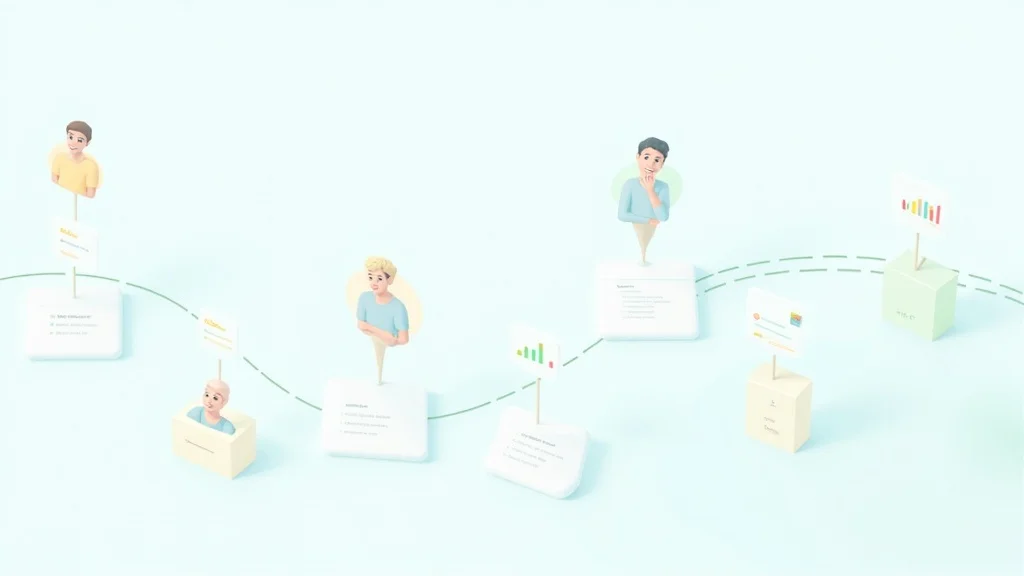
When someone lands on your website, their intent is often unclear. They might be curious, browsing options, gathering information, or simply exploring alternatives. Very few visitors show up ready and determined to make a purchase immediately. Most are in the early, exploratory stage of their customer journey, where trust, brand awareness, and timing play major roles. For example, they might compare products, read reviews, or check your pricing against competitors. People naturally hesitate to make quick decisions online. There’s a natural fear of commitment and a universal need to feel confident before buying. As a result, even well-designed sites with attractive offers often see most of their traffic leave before taking action.
Understanding these early-stage behaviors is crucial for designing effective recovery strategies. For a deeper dive into actionable methods that help you retain more of your website traffic, explore the Website Lead Recovery Insights resource, which offers practical tips and proven tactics for maximizing visitor engagement.
Understanding Customer Behavior: The Psychology Behind Website Traffic
How Website Visitors Make Decisions
First impressions versus lasting memory
How repetition builds trust and brand awareness
People need reminders and reassurance before taking action
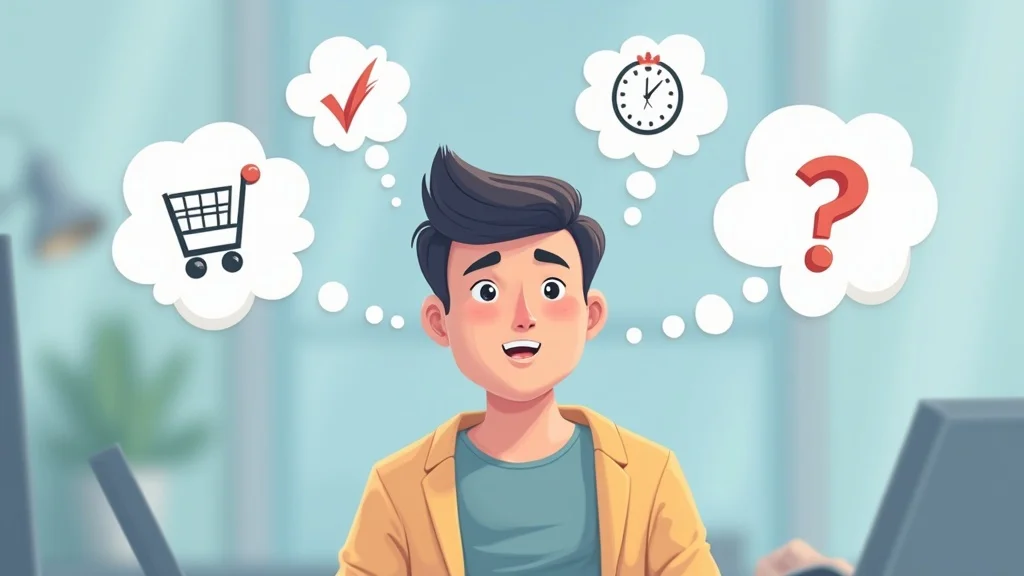
The first time someone visits your site, what do they really remember? First impressions matter, but research shows that lasting memories—and buying decisions—are shaped by repetition and familiarity. This is why brand awareness is a cornerstone of digital marketing. People trust what they see repeatedly. Every site visitor is exposed to countless options every day, especially on social media platforms, comparison sites, and digital ads. Reminders and follow-ups are essential to converting curiosity into action. When you understand the behaviors and thought patterns that drive your target audience, you see why gentle nudges and repeated engagement win more customers than any “hard sell. ”
Why Timing Is Everything: Patience Wins More Customers
The Critical Window — When Customers Are Ready to Act
The customer journey is not a straight line
Natural delays between interest and decision
Why seeing your brand more than once makes a difference
Timing shapes every buying decision. The journey from interest to action isn’t quick or predictable. A first visit might lead to research, a second to comparison, and a third—or tenth—to a decision. People bounce between distractions, comparisons, and changing needs, making the path to purchase anything but a straight line. That’s why your website traffic can feel like a revolving door of missed opportunities. But here’s the good news: the more often a potential customer sees your brand, the more likely they are to remember you when they’re finally ready to act. Patience, combined with persistent, non-intrusive reminders, is the strategy that transforms lost visitors into loyal customers.

How Businesses Lose Opportunities: Where Traffic Disappears
Where Website Visitors Go After Leaving
Distractions: Social media, other websites, daily life
Forgetfulness and loss of initial interest
Competitive offers grabbing attention elsewhere
Imagine this: someone finds your service, gets interested, and puts your site in a browser tab. . . but then a social notification pings, an email comes in, or a shiny competitor’s ad appears. The customer journey veers away from you. Most website visitors leave, not because they’ve made a concrete decision against your offer, but because attention is easily lost in the digital world. Social media, emails, even just daily life interruptions all pull them away. Many forget their earlier intent. This is why website lead recovery isn’t just about gaining new traffic—it’s about not losing touch with the valuable visitors you’ve already attracted. If you aren’t following up, you’re leaving the door open for competitors to step in.

Introducing Retargeting Ads: The Secret to Website Lead Recovery
What Are Retargeting Ads and Why Do They Matter?
Retargeting ads help recover lost website visitors by reminding them of your brand
Show up where your customers spend time online: social media, other sites, apps
Prompt action when the timing is right
“Retargeting ads don’t nag. They gently nudge — keeping your business top of mind until the customer is ready.”
The mystery of how to recover lost website visitors often comes down to a simple idea: be where your visitors pay attention next. Retargeting ads are a marketing tactic designed for exactly this. When someone leaves your website, retargeting ads act as gentle reminders, appearing as display ads, social media posts, or even follow-up emails right where your audience naturally spends time. This form of behavioral advertising keeps your brand visible, making sure you’re remembered whenever your potential customer is finally ready to take the next step.

How Retargeting Works: A Simple Explanation
Browser cookies or retargeting pixels keep track of visitors
Ad networks display your ads to past visitors as they browse other sites
You stay visible while customers are still considering their decision
Here’s how a retargeting campaign typically works in plain English: When someone visits your website, a small, invisible piece of code called a retargeting pixel or browser cookie quietly saves the visit. Later, as that site visitor browses social media, checks the news, or visits another website, ad networks use this cookie to serve ads that gently remind them of your business. Instead of nagging, these display ads blend into the background of their digital life, keeping you top-of-mind. This process works across devices and platforms, making sure your brand stays present even when your visitors aren’t on your site.
Types of Retargeting Campaigns for Website Visitor Recovery
Display Retargeting, Social Media Retargeting, Email Retargeting
Display ads: Banner ads on news sites, blogs, other web pages
Social media retargeting: Ads on platforms like Facebook, Instagram, LinkedIn
Email retargeting: Follow-up emails to previous visitors or abandoners
Type |
Where It Shows |
Best For |
|---|---|---|
Display Ad Retargeting |
Websites across ad networks |
Brand awareness, broad reach |
Social Media Retargeting |
Social feeds |
Engagement, younger audiences |
Email Retargeting |
Inbox |
Direct follow-ups |
Each type of retargeting campaign meets your audience right where they are. Display ads are the billboards of the digital world, appearing on news sites and blogs. Social media retargeting leverages platforms like Facebook, Instagram, and LinkedIn to keep your brand in the feeds of your most interested visitors. Email retargeting follows up directly with those who have left contact details or abandoned a purchase—offering a more personal touch. Using these retargeting strategies, you gently guide visitors back, increasing the odds they’ll take action on your site.

How Retargeting Ads Boost Brand Awareness and Customer Engagement
The Power of Repeated Visibility
Multiple touches build trust
Familiarity increases the chance of conversion
Retargeting campaigns keep your message in sight until the right moment
“People trust what they see often. Retargeting ads help you become familiar before you become their choice.”
Repeated exposure is a silent force in digital buying. Studies show that people trust what’s familiar. By appearing again and again through retargeting ads, your brand builds comfort and trust, making it far more likely that previous visitors will remember you—even after days or weeks. This repeated visibility is the secret edge: retargeting helps potential customers move from recognition to preference, and finally to action. Where a single visit might fade, a series of carefully placed reminders can turn fleeting interest into loyal engagement, boosting both brand awareness and real results.
Examples of Retargeting Ads in Action
Online shoe store: Reminds you of the item you viewed but didn’t buy
Travel website: Shows personalized flight offers after you search
Business service: Presents a special offer after a demo or contact form left incomplete
Picture browsing a pair of shoes online—then seeing those exact shoes follow you across the web as display ads or pop up in your social media feeds. Or maybe, after searching for flights, a travel site greets you later with an email offering special fares. Even after leaving a business site without completing a demo, you might get a friendly reminder in your inbox. These are retargeting ad campaigns at work—personalized, well-timed, and focused on bringing you back when you’re ready.
Building a Successful Retargeting Campaign for Website Lead Recovery
Simple Steps to Set Up Retargeting
Identify your most valuable website visitors
Set up retargeting pixels on key pages
Craft clear, inviting ads for past visitors
Choose networks where your lost visitors spend time
Monitor and refine your campaign for best results
Setting up a retargeting campaign doesn’t have to be technical or daunting. Start by pinpointing which website visitors matter most—like people who explored products, added items to their cart, or nearly completed a form. Next, add a simple tracking pixel or cookie to your site (many advertising platforms make this a point-and-click process). Then, create clear, inviting ads designed specifically for people who’ve already shown interest. Select the ad networks—like Google Display Network or key social media platforms—where your target audience spends time. Finally, monitor how your retargeting ads perform, and tune your approach to maximize visitor recovery and customer engagement.
Frequently Asked Questions About Retargeting Ads
What is retargeting ads?
Retargeting ads are digital ads shown specifically to previous website visitors. After someone visits your site, these ads remind them of your brand across other websites, social media, or even through follow-up emails. Their main goal is to prompt people who left without taking action to return and engage with your business.
What is an example of a retargeting ad?
A classic example is browsing an ecommerce store, looking at a product, and then seeing an ad for that same product on a news website or your social media feed. The ad “follows” you, acting as a reminder and invitation to come back and make a purchase.
Are retargeting ads effective?
Yes, retargeting ads are a proven way to recover lost website visitors and increase conversions. By keeping your brand visible, they remind interested visitors to return when they’re ready to take action. This tactic boosts brand awareness and turns lost opportunities into new business without relying solely on attracting more cold traffic.
What is the difference between remarketing and retargeting ads?
While the terms are often used interchangeably, “retargeting” usually refers to display and social media ads shown to past visitors, while “remarketing” often describes sending follow-up emails to people who left without converting. Both help re-engage your audience and recover lost website visitors.
Key Takeaways for Website Lead Recovery With Retargeting Ads
Most visitors don’t convert right away — that’s normal behavior
Timing and repeated visibility are critical to winning their business
Retargeting ads help your brand stay visible after visitors leave
Simple behavioral reminders often turn lost opportunities into loyal customers

Your Next Steps — Turning Lost Website Visitors Into Loyal Customers
Review your current website visitor flows
Identify key points where visitors drop off
Plan ways to remind — not nag — your lost visitors
Start experimenting with display or social media retargeting ads
Learn More: Discover How To Retain 100% Of Your Website Traffic https://websiteleadrecovery.com
FAQs About Website Visitor Recovery and Retargeting
Does retargeting work for small businesses?
Can retargeting ads be personalized?
How do I respect visitor privacy with retargeting?
Is retargeting expensive for a startup?
Does retargeting work for small businesses? Absolutely. Even small businesses can benefit from retargeting ads, often seeing more conversions from existing visitors than from brand-new traffic. It allows you to get more value out of the audience you’ve already attracted.
Can retargeting ads be personalized? Yes, retargeting ads can be tailored based on what someone viewed on your site, how far they got in their customer journey, or even what they placed in their cart. Personalization increases relevance, leading to better engagement and conversion rates.
How do I respect visitor privacy with retargeting? Most retargeting platforms comply with privacy standards and allow site visitors to opt out of tracking or behavioral advertising. Make sure your website discloses cookie use, and always respect local legislation and user preferences.
Is retargeting expensive for a startup? Retargeting can be very cost-effective, as you focus only on visitors who have already shown interest. Many platforms offer flexible budgets, making it accessible even for startups wanting to test and grow their customer engagement.
Quote from a Business Owner Who Used Retargeting
“After setting up retargeting ads, I started seeing former visitors return and complete their purchase within days.”
Animated explainer: Watch how a website visitor leaves, encounters retargeting ads across platforms, and returns to become a loyal customer. This concise visual journey highlights the effectiveness and timing behind website lead recovery strategies.
Conclusion: Understanding customer behavior is the first step to turning missed website opportunities into loyal, returning customers. With the right approach and timing—and gentle, educational reminders—retargeting ads become a smart, respectful way to support website lead recovery.
Discover How To Retain 100% Of Your Website Traffic: https://websiteleadrecovery.com
If you’re ready to take your website lead recovery to the next level, consider broadening your understanding with advanced strategies and expert perspectives. The Website Lead Recovery Insights page offers a comprehensive look at the latest trends, in-depth analysis, and actionable advice for retaining more of your hard-earned traffic. By exploring these insights, you’ll uncover new ways to optimize your approach, adapt to evolving customer behaviors, and ensure your business stays ahead in the competitive digital landscape. Dive deeper and empower your growth journey with knowledge that turns every visitor into a lasting opportunity.




Write A Comment