

Ever wondered why so many people visit your website but leave without taking any action? If you’ve felt the frustration of seeing promising website traffic slip away, you’re certainly not alone. Every unconverted visitor is a missed opportunity—but few business owners realize that you can often bring those missed chances right back, turning lost visitors into loyal customers. This guide will teach you the “why” behind customer actions and show you how to recover lost website visitors—giving your business a powerful advantage.

Capturing Curiosity: Why Most Website Visitors Leave Without Converting
Many businesses work tirelessly on their website design, invest in digital marketing, and witness a steady flow of site visitors. But here’s the reality: the overwhelming majority of visitors leave a web page or landing page without ever filling out a form, making a purchase, or even clicking a CTA button. Some experts even refer to this as the industry’s “silent problem. ” The question arises—if you’re attracting visitors, why aren’t more converting?
To understand this, you have to look beyond the numbers. Website conversions depend not just on traffic, but on the visitor experience, user behavior, and the subtle psychology guiding each click. The gap between a visit and a conversion isn’t always about poor offers or bad products. It’s often about timing, trust, and the complex way people make buying decisions online. By recognizing why visitors don’t convert the first time, business owners can unlock ways to recover lost website visitors, turn low conversion moments into opportunities, and continuously improve conversion rates.
What You'll Learn About Website Conversions and Visitor Recovery
Why website visitors often leave without making a purchase or inquiry
How understanding customer behavior leads to better website conversions
The role of timing and visibility in recovering lost website visitors
Actionable steps for optimizing your website conversion strategy
Understanding Website Conversions: What Are They and Why Do They Matter?

Defining Website Conversion and Its Importance
Website conversions explained in simple terms
How website conversions reflect business growth
Why every website visit is a valuable opportunity
A website conversion simply means that a person who visits your site completes the action you want—this might be making a purchase, signing up for a free trial, filling out a contact form, or even clicking a CTA button. Every conversion goal is different depending on your business, but the heart of all website conversions is the shift from a passive visitor to an engaged customer.
When your conversion rate rises, it typically means your business is growing—more people are taking the desired action, meaning your website is playing a critical role in customer acquisition and business development. Each website visit is a chance to build a relationship or drive growth, and missing these chances means leaving real business on the table.
Understanding the fundamentals of website conversions is just the beginning. For a deeper dive into practical methods for bringing back visitors who left your site, explore this comprehensive guide on recovering lost website visitors—it covers actionable tactics to help you retain more of your hard-earned traffic.
The Challenge: Why Businesses Lose Website Visitors and Website Conversions
Exploring Missed Opportunities on Your Website
Common reasons site visitors leave without converting
Behavioral patterns that decrease conversion rates
Insights from digital marketing and online advertising research
Most businesses don’t realize how easy it is to lose website conversions. Poor website design, slow loading times, irrelevant offers, or an unclear landing page can quickly increase your bounce rate. In research on user experience, visitors cite confusion, lack of trust, or too much friction during checkout as common reasons for leaving. Sometimes, visitors simply aren’t ready to buy or make a decision—yet.
Digital marketing studies consistently reveal that many site visitors never see the same offer twice, reducing your chance for a follow-up or a later sale. In the emphasis on attracting new traffic, businesses often overlook the need to recover lost website visitors and maximize value from every website visit. Understanding these missed opportunities is the first step in improving your conversion rate and capturing more leads and sales.
Customer Behavior Insights: How People Make Decisions Online

Decoding the Mindset of Site Visitors
How consumer psychology impacts website conversions
The role of trust, timing, and repeated exposure
Why most visitors don’t buy the first time
Behind every website conversion is a human decision. Consumer psychology shows that people are naturally cautious online; they need to trust a brand, feel safe, and often need to see the same offer multiple times before acting. The first website visit is rarely the one that ends with a sale or completed form—it’s often just the beginning of a relationship.
Factors like social proof (reviews, customer testimonials), familiar branding, and relevant content all build trust over time. The more a visitor interacts with your site or sees your brand elsewhere, the greater the chance they’ll become a customer. Trust is rarely built in an instant, which is why repeated visibility is so important for higher conversion rates.
“Most website visitors need to see your brand multiple times before trusting you enough to take action.”
Why Timing is Crucial for Website Conversions
The Power of Customer Visibility and Timely Follow-up
Explaining how timing influences conversion rates
Real-world examples of buying decisions happening over time
Behavioral advertising and effective touchpoints
Timing is one of the most overlooked elements in website conversion. Very few people decide to purchase on their first visit. Sometimes they’re researching, comparing, or need more information. The right message or reminder, delivered at the right moment, can tip the decision. Effective businesses use this insight to maintain customer visibility—making sure their brand is front-of-mind during those crucial decision windows.
Practices like behavioral advertising and repeated touchpoints—such as digital display ads or follow-up emails—are not about “pushing” customers, but showing up when they’re actually ready. By aligning your message with the natural rhythm of buying decisions, you dramatically improve your conversion rates.
Key Moments Along the Customer Journey: When Website Conversions Happen Most | ||
Customer Journey Stage |
What the Visitor Feels |
How Businesses Can Respond |
|---|---|---|
First Website Visit |
Curious but cautious, researching solutions |
Provide clear value, build trust, highlight social proof |
Comparison & Consideration |
Weighing options, comparing competitors |
Use retargeting, display ads, and repeat branding |
Ready to Buy |
Looking for reassurance, last questions answered |
Use timely follow-ups, strong CTAs, and simplified checkout |
Post-Purchase |
Evaluating satisfaction, open to future offers |
Deliver great customer experience, request feedback, offer next steps |

Where Businesses Lose Potential Website Conversions Without Realizing
Gaps in Website Design, Traffic, and Engagement
Landing page pitfalls that lose visitors
Critical mistakes on product pages and lead generation forms
The importance of alignment with conversion goals
Despite the best efforts to attract website traffic, many landing pages and product pages create friction or confusion, causing visitors to leave before taking any desired action. Slow loading speeds, poorly placed CTA buttons, or forms that ask for too much information can all contribute to low conversion.
Sometimes, the user experience does not align with the conversion goal. For example, if your goal is lead generation but your form is hidden or lengthy, you’ll lose potential leads. A poor match between your audience’s expectations and your website's offer or design often results in high bounce rates. Identifying and fixing these gaps is essential for boosting your conversion rate and reducing wasted opportunities.
Recovering Lost Website Visitors: Smart Strategies for Higher Website Conversions
Turning Lost Site Visitors Into Engaged Customers
How retargeting helps recover website conversions (introduced naturally)
Using remarketing to regain lost website traffic
Harnessing display advertising and behavioral advertising

Once you fully understand why people leave without converting, you can begin using smart strategies to recover lost visitors. Retargeting and remarketing are two techniques that let you reconnect with past site visitors after they’ve left. These methods work by displaying relevant ads or reminders on other websites, apps, or social platforms, appearing in just the right context as your previous visitor continues their online journey.
These gentle reminders leverage behavioral advertising to keep your brand top-of-mind through carefully timed touchpoints. For example, display ads—like those seen on the Google Display Network or Meta advertising—reintroduce your offer when someone is closer to making a decision. This approach supports customer acquisition not by pushing, but by showing up when your audience is ready, turning lost opportunities into new conversions.
Benefits of Website Lead Recovery for Boosting Website Conversions
Unlocking More Value From Existing Website Traffic
Increasing customer engagement and brand awareness
Maximizing every website visit for better conversion rates
Supporting business growth through strategic recovery
Recovering even a small fraction of your lost website traffic can make a measurable difference in your conversion rate and revenue. Website lead recovery lets you earn more from the visitors you’ve already attracted, making every marketing dollar work harder. By investing in visitor recovery, you increase customer engagement and strengthen your brand presence through repeated, positive touchpoints.
Beyond numbers, these strategies help your business grow. When you focus on improving conversion rates from existing traffic, you create a cycle of improvement—more leads, better customer experience, and higher chances of building a loyal audience over time. Strategic recovery doesn’t just boost short-term sales; it creates long-term business resilience.
“Recovering just a fraction of your lost visitors can transform your conversion rates and long-term revenue.”

Best Practices: Optimizing Website Design and Landing Pages for Website Conversions
Simple Steps for Improving Conversion Rate and Visitor Experience
Designing landing pages that guide action
Critical website design features for conversion optimization
Tailoring calls-to-action to conversion goals
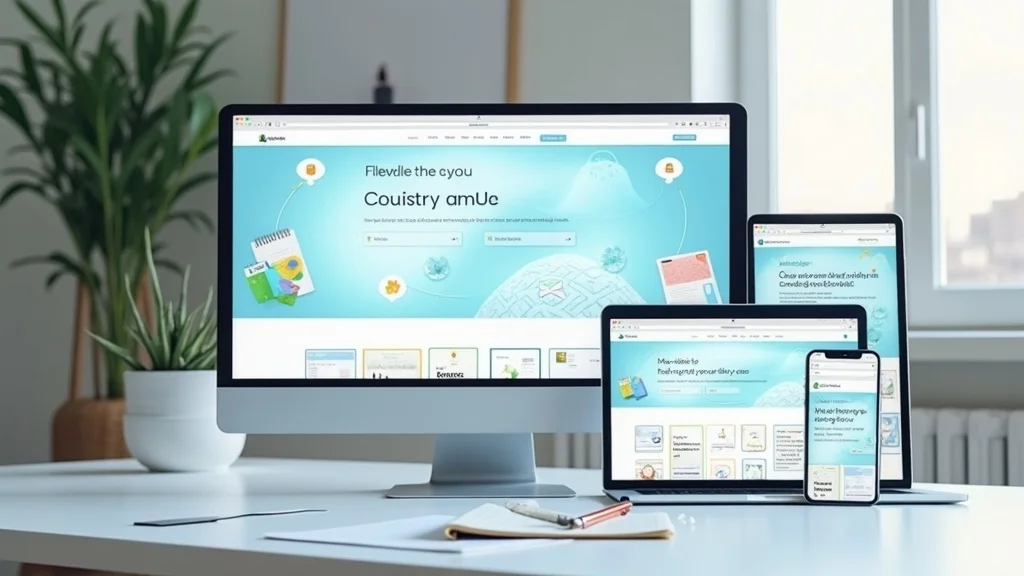
One of the most effective ways to recover lost website conversions is to optimize your site’s landing pages, product pages, and CTAs so that every website visit feels clear and intentional. A well-designed landing page leads visitors naturally toward your conversion goal, using strong headlines, compelling visuals, and trust-building elements like social proof and customer testimonials.
Critical features include visible and easy-to-understand CTA buttons, consistent messaging, and short, frictionless forms for lead generation or signups. Every design choice should aim to reduce user confusion, guiding the target audience toward desired actions. Simple tweaks to your website design—like speeding up your site, clarifying your offer, or highlighting free trial opportunities—can yield a significant increase in conversion.
People Also Ask: Website Conversions and Recovery Essentials
What are website conversions?
Answer to: What are website conversions?
Website conversions happen when a visitor completes a specific action that matters to your business—like making a purchase, signing up for an email list, or submitting a contact form. Any time a web page visitor does what you want them to do, it’s considered a conversion. These actions represent the main goals of your website and bring measurable value to your business.
What is the best website for conversion?
Answer to: What is the best website for conversion?
The best websites for conversion are those that are clear, simple, and designed with the user in mind. They have strong landing pages, easy-to-find CTA buttons, and a smooth user experience. More importantly, these sites address their audience’s needs, earn trust through social proof, and guide visitors step-by-step toward the desired action. Every industry is different, but the best converting sites make it easy for visitors to do what matters most.
What is a good website conversion?
Answer to: What is a good website conversion?
A good website conversion means visitors are taking meaningful actions—such as making a purchase or filling out a lead form—at rates that meet or exceed your industry average. What’s “good” varies between businesses, but the real measure is whether your site is turning more visits into valuable outcomes over time. Focusing on improving your conversion rate steadily is more important than hitting a universal benchmark.
What is CRO vs SEO?
Answer to: What is CRO vs SEO?
CRO stands for Conversion Rate Optimization—it’s about improving your website so more visitors complete desired actions like purchases or signups. SEO stands for Search Engine Optimization, which helps your site appear higher in search engine results to attract more traffic. SEO gets people to your site, while CRO ensures more of them become customers or leads once they get there. Both are critical for online growth.
FAQs: Common Questions About Website Conversions and Visitor Recovery
How long does it take to improve website conversions after implementing recovery strategies?
Website conversion improvements can start to show within weeks of applying recovery strategies like retargeting or landing page changes. However, trends may take a month or more to stabilize as you gather data and refine your approach. Consistent, small tweaks often add up to big results over time.Are there industries where visitor recovery works best?
Visitor recovery is effective across virtually all industries, especially those with longer decision cycles—like ecommerce, B2B services, or education. Any business that relies on website traffic can benefit from recovering lost visitors, as buying decisions often take days or even weeks.Can small businesses benefit from these recovery techniques?
Absolutely. In fact, small businesses can gain significant value from website lead recovery, as each visitor often represents a more substantial share of total website traffic. Even modest increases in conversion rate can translate to meaningful growth for small and local businesses.How do digital display ads help recover lost visitors?
Digital display ads help remind people about your business after they’ve left your site. When timed well, these ads re-engage previous visitors and bring them back to your website when they’re closer to making a decision. This repeated exposure is key to boosting conversion rates over time.

Key Insights for Business Owners: Website Conversions and Customer Behavior
Customers often need multiple visits before converting
Visibility and repeated value build trust and encourage action
Recovering lost website visitors is a high-leverage growth opportunity
Simple, behavioral tweaks can multiply website conversions
Reflecting on What You've Learned About Website Conversions
Why customer behavior must guide every marketing strategy
How missed opportunities on your site can be turned into growth
The value of educational, behavior-focused digital marketing
Next Steps: Unlock the Full Potential of Your Website Conversions
Review your customer journey and website design with conversions in mind
Implement visitor recovery strategies supported by behavioral insights
Continue learning about website lead recovery to maximize every website visit
"Every lost website visitor is a future customer, if you know how to recover them."
Take Action to Recover Lost Website Visitors and Boost Website Conversions
Discover How To Retain 100% Of Your Website Traffic https://websiteleadrecovery.com
If you’re ready to take your website’s performance to the next level, don’t stop here. Expanding your understanding of lead recovery strategies can help you unlock even more value from your existing traffic and ensure that every visitor counts. For a broader perspective on how to retain 100% of your website traffic and build a resilient, conversion-focused business, explore the full range of insights and resources available at Website Lead Recovery. The next step in your growth journey is just a click away—empower your business with advanced strategies and see the difference in your conversion results.
Remember: When you treat every visitor as a learning opportunity, you build not just higher conversion rates, but a website and brand that customers trust—now and in the future.




Write A Comment