
Website Lead Recovery
update

Website Lead Recovery

update
  • Home
  • Categories
    • Recover Lost Website Visitors
    • Customer Acquisition Advertising
    • Website Lead Recovery Worcester, MA
  • All Posts
  • Recover Lost Website Visitors
  • Customer Acquisition Advertising
  • Website Lead Recovery Worcester, MA
July 13.2026
13 Minutes Read

Recover Lost Website Visitors — How To Retarget Website Visitors Effectively

Imagine watching streams of visitors land on your website—only to see most of them leave without signing up, clicking, or buying. You check analytics and wonder: where did all those potential customers go? The truth is, every business faces this silent challenge. The real win lies in understanding why this happens and what you can do next. This guide unpacks the reasons behind lost website visitors and teaches you, step by step, how to retarget website visitors to turn lost opportunities into new growth for your business.

Why Most Website Visitors Leave — The Real Business Problem

Every site owner dreams of attracting floods of website visitors, but few realize the invisible problem happening beneath the surface: most website visitors don’t convert on the first visit. This doesn’t mean your landing page is broken or your product isn’t appealing. In fact, it’s a normal part of how people behave online. When your analytics show that 90% or more of your site visitors leave without a trace, you’re seeing a universal business challenge—not a unique failure.

The root of this problem is simple: website traffic doesn’t guarantee website conversion. People browse for information, compare options, or simply explore out of curiosity. They might be interrupted, distracted, or need time to think about their decisions. Understanding this reality is the first step to recovering lost website visitors and making the most of your ad spend and digital presence. If you don’t recognize the "leak"—the lost opportunity—you’ll miss out on valuable warm leads who already visited your site but left before taking action.

Clean modern workspace showing a desktop screen with a website open and multiple visitors disappearing as translucent figures, representing the challenge to retarget website visitors

“Most website visitors will leave without taking action. That’s not a failure—it’s normal human behavior.”

What You'll Learn In This Guide To Retarget Website Visitors

  • Why recovering lost website visitors is crucial for business growth

  • The psychology behind why customers don’t buy the first time

  • How to spot missed opportunities with your site visitors

  • Ways to create a website visitor recovery plan

  • Introduction to retargeting ad and remarketing strategies

  • How to run an effective retargeting campaign for website visitors

  • Benefits of retargeting ads for customer acquisition and website conversion

Understanding Website Visitors: How Customers Behave Online

The Customer Journey: From First Click To Final Decision

Every website visitor embarks on a unique journey. This journey often starts with a click—a moment of curiosity or need that brings someone to your site. But rarely do visitors land, love, and buy in one swift sweep. The path is almost always winding: discovering your products or services, pausing to compare, or delaying a decision for another day. Real engagement takes time and repeated exposure.

Businesses that recognize this journey are better equipped to recover warm leads. Not everyone is a ready buyer; many are simply exploring options, building familiarity with your brand. If you only focus on immediate conversions, you ignore the crucial steps that transform a site visitor into a customer. Just as in physical stores, online buyers need to browse, consider, and return—sometimes more than once—before they’re ready to act. This is why a smart retarget website visitors approach mirrors the actual rhythm of online behavior.

Illustration of a customer journey map with touchpoints: a user browsing, pausing, and returning—demonstrating the need to retarget website visitors

“People visit websites for many reasons—information, curiosity, or comparison shopping. Very few are ready to act right away.”

To further refine your approach, it's helpful to explore actionable strategies for segmenting your audience and tailoring your retargeting efforts. For a deeper dive into practical segmentation and campaign setup, check out the comprehensive guide on website lead recovery insights—it offers step-by-step tactics to maximize your retargeting results.

Why Website Visitors Leave Without Buying

It’s natural to wonder: If someone visited your site, why didn’t they convert? Here are the most common reasons business owners encounter:

  • Lack of urgency

  • Information overload

  • Need more time or research

  • Not enough trust in the brand

  • Distraction or daily life interruptions

When you realize most people don’t make instant decisions, it becomes clear: each website visitor represents a future opportunity—not a lost cause. The key is staying relevant after the initial visit, providing future chances for engagement through retargeting ads or educational follow-ups.

Why Timing Matters In Website Visitor Recovery

Timing And The Psychology Of Buying Decisions

Timing sits at the heart of almost every online buying decision. After a first visit, the urge to buy is often fleeting or entirely missing. Whether it’s waiting for payday, comparing deals, or just needing a night to sleep on it, modern shoppers use the Internet as a research tool before they commit. The mere presence of more display ads won’t tip the scales—what matters is showing up at the right moment.

Here’s why: when a site visitor sees your brand more than once, it feels familiar. Repeated, timely touches build trust. Customers need to recognize and remember you when the decision moment arrives. If your message appears too soon, it’s ignored. If it’s too late, they’ve already chosen a competitor. This is why website visitor recovery is so powerful—it keeps your brand visible during the moments when decisions are made.

Modern businessperson checking their watch while viewing targeted retargeting ads on a laptop, emphasizing timing with website visitors

The Role Of Repeated Visibility In Customer Engagement

Think of your own experience: how many times did you see a product online before you finally bought it? Repeated exposure works. It keeps your business top of mind so your offer feels familiar, safe, and trustworthy. When a website visitor is reminded of your brand through smart, non-intrusive retargeting campaigns, the chance they’ll come back increases dramatically.

This repeated, gentle visibility isn’t about pestering people—it’s about being present when they’re ready to move forward. The right retargeting strategy doesn’t overwhelm; it nurtures and educates, offering a consistent invitation to reconnect and take the next step.

“Seeing a brand more than once builds familiarity. Familiarity leads to trust. Trust leads to action.”

Common Ways Businesses Lose Opportunities With Website Visitors

Missing The Window For Website Conversion

The decision to buy doesn’t usually happen in the blink of an eye. Forcing immediate action, or only targeting those fleeting first visits, can scare off potential customers. One of the most common mistakes businesses make is not recognizing the "window" for website conversion—it’s wider and longer than most realize. If you don’t stay on a site visitor’s radar, someone else will. Delayed follow-up leaves warm leads cold, and once they go, they often don’t come back unless prompted.

There’s a crucial difference between losing a visitor and losing an opportunity. A person who has visited your site but hasn’t converted is not the same as someone who never showed interest at all. They’re primed for a return if you use display ads, emails, or social cues to bring them back.

Not Tracking Or Understanding Audience Segment Behavior

Another pitfall is the failure to understand where and why website visitors drop off. Modern businesses have access to powerful tools (like Google Analytics or ad platforms) that allow them to see beyond the surface data. If you’re not looking at which audience segment leaves your landing page, or who abandoned their cart, you’re missing out on clear clues. Audience segmentation is key—it lets you tailor follow-ups via retargeting ads or email nurtures to speak directly to those needs.

Ignoring these signals means you keep sending generic ads to all visitors, and that’s rarely effective. Smart retargeting campaigns use tracking pixels and analytic tools to group visitors by interest, stage, or action taken. This helps create specific ads that speak to exactly where a website visitor is in their decision journey.

Professional marketer analyzing segmented website analytics on a screen with highlighted drop-off points, a visual concept of opportunity loss in retargeting
  • Ignoring abandonment signals from website visitors

  • Failing to engage audience segments after their first visit

  • Not adapting messaging for different audience segments

Customer Behavior Explained: Why People Rarely Buy On The First Visit

The Myth Of Immediate Website Conversion

There’s a widespread belief that a good website should "close the deal" right away. In reality, even the best landing pages rarely convert cold visitors instantly. Trust and readiness are built over time. Many first-time visitors are simply collecting information or feeling out the best options—they need more than one visit to make a purchase. If you expect immediate results from a single touch, you risk losing the long game of customer engagement.

This is not a technology issue—it’s human nature. As you build your recovery strategy, remember: retargeting ads exist because the process almost always takes more than one try. Smart businesses see every visit as the first step in a longer, nurturing relationship and set their retargeting campaign plans accordingly.

Real-World Example: How Customers Move Through The Decision Process

To make this clear, let’s look at a typical example of the modern buyer’s journey. Each action a user takes on your website is its own step toward conversion:

Step

Website Visitor Action

Behavioral Explanation

1

Visitor browses product page

Curiosity or initial research

2

Visitor adds item to cart but leaves

Needs more information, not ready to commit

3

Visitor returns days later after seeing a retargeting ad

Prompted by repeated brand visibility; trust grows

4

Visitor finally buys

Decision driven by trust, timing, and remembering the offer

This simple journey shows why timing and retargeting website visitors matter. The more you understand each step, the more prepared you are to recover lost opportunities—and turn browsers into buyers.

How To Recover Lost Website Visitors — Introducing Retarget Website Visitors Strategies

What Is Website Visitor Recovery?

Website visitor recovery is the process of bringing back those who visited your site but left without acting. Instead of starting fresh with new "cold" prospects, you reconnect with people who have already shown interest—your warmest leads. Recovering lost website visitors isn’t about chasing every click; it’s about using smart follow-up (such as display ads or gentle reminder emails) to nurture those who nearly chose you.

Instead of viewing abandonment as failure, view it as a chance to initiate a second, better-timed visit. Treat each original visit as the opening move in a series; follow up strategically and you’ll recover more value from the traffic you already have.

Behavioral Advertising And Retargeting Ad Fundamentals

Once a site visitor leaves, technology allows you to reconnect with them through behavioral advertising. This involves showing tailored messages or retargeting ads to users who have already interacted with your site. These digital display ads are not random—they’re based on real behavior and real interest. Whether it’s reminding a visitor about the exact product they viewed or offering new information, the secret is relevance.

Modern ad platforms like the Google Display Network or Meta’s ad manager let you build campaigns that follow users as they browse other sites, check social media, or read the news. Network retargeting brings your message back to people who’ve seen and forgotten you—turning cold leads warm again through consistent but non-intrusive reminders.

Engaging visualization of retargeting in action: ad banners following a site visitor across devices, illustrating cross-channel retargeting fundamentals

How Retarget Website Visitors Campaigns Work

Putting it all together, a strong retarget website visitors strategy uses the following process:

  • Identify audience segments

  • Create tailored retargeting campaigns for prior website visitors

  • Deliver engaging retargeting ads through relevant digital display ads

  • Measure results and adjust outreach to increase website conversion

When a site visitor leaves without buying, a tracking pixel quietly notes their interest. The next time that visitor browses the web, they see your reminder: a display ad referencing what they liked or offering a reason to come back. Smart campaigns set a frequency cap, so visitors aren’t overwhelmed. After several gentle reminders, your brand becomes familiar—and, more importantly, trusted—paving the way for higher conversion when they return.

The Benefits Of Website Lead Recovery And Retarget Website Visitors

Maximizing Customer Acquisition From Existing Website Traffic

Most business owners focus on getting new visitors—often spending heavily on search ads or paid campaigns. But only a fraction of those visitors convert right away. The real growth comes from learning how to recover lost website visitors and nurture them into customers. Retargeting campaigns increase your customer acquisition numbers by targeting people who have already experienced your brand. Because this audience is already familiar, converting even a small percentage of these warm leads can make a big impact on your results.

Improving the recovery of these warm leads means higher returns on your marketing investment. Rather than pouring more into acquiring cold traffic, you maximize the potential of your current site visitors—and build a stronger relationship with every follow-up.
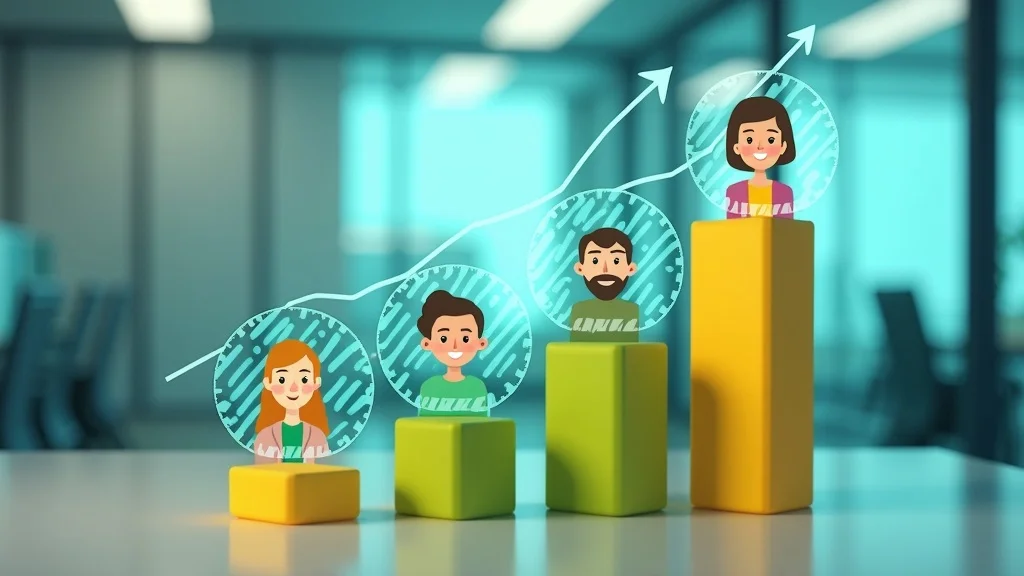
Vibrant visualization of growing bar graphs with website visitor avatars transforming into customer icons, concept of lead recovery and acquisition

Improving Brand Awareness Through Retargeting Ads And Remarketing

Every digital touchpoint leaves an impression, even if it doesn't result in an immediate sale. Retargeting ads do more than prompt a return visit—they build brand awareness. When your name, logo, or offer appears in the places visitors already browse online, you’re helping them remember who you are. As familiarity grows, hesitation erodes and confidence builds.

This improved awareness isn't just about selling. It's about rising above the noise—so when the buying decision is finally made, your brand stands out. This is why remarketing complements your broader website visitor recovery strategy.

Boosting Website Conversion And Lead Generation

A key benefit of retargeting is the lift it gives to your website conversion and lead generation rates. Since you're targeting people who have already shown interest, they’re more likely to respond positively to your next offer—whether it’s a free guide, webinar signup, or a limited-time deal. These strategies transform casual browsers into highly qualified leads who are ready for deeper engagement or a final purchase.

If you add retarget website visitors practices to your lead generation funnel, you build momentum from the traffic you already have instead of constantly starting from scratch.

Extending The Value Of Your Marketing Budget

Pro tip: Recovering lost visitors helps stretch your ad spend farther. Because you've already paid to attract these users once, reconnecting with them is more efficient and cost-effective than trying to draw in new ones. Retargeting campaigns typically demand less budget than cold traffic campaigns, and the improved conversion rates mean your marketing dollars produce bigger, better results over time.

If your goal is to do more with less, website visitor recovery and retargeting ads are best-in-class strategies to maximize every dollar of digital marketing investment.

Getting Started: How To Retarget Website Visitors Effectively

Organized marketing team collaborating around a whiteboard planning a retargeting campaign, illustrating the collaborative strategy to retarget website visitors

Building A Website Visitor Recovery Strategy

The first step to recovering lost visitors is creating a clear plan. Start by examining your analytics: Where do visitors drop off? Which audience segments take action—and which don’t? Next, set up the right tracking tools, such as pixels, so you can group visitors into relevant buckets based on pages visited, actions taken, or time spent. Use these segments to create targeted offers, reminders, or content that speaks directly to each user’s needs. The more personalized your approach, the higher your chances to bring them back and move them closer to conversion.

Think of your website visitor recovery plan as building bridges, not barriers. Instead of pushing, invite people back with relevant retargeting ad content, helpful follow-ups, or useful resources—always keeping their needs, not just your goals, in mind.

Selecting The Right Retargeting Campaign For Your Audience Segments

Not all site visitors are the same. Some need a gentle nudge—a reminder of the item they left in their cart. Others may need more education about your solutions or a time-based incentive to act now. Modern ads manager platforms provide flexible tools to set up different retargeting campaigns for each audience segment. This might mean running a product reminder ad for cart abandoners, an educational content ad for top-of-funnel visitors, or a special offer ad for those who viewed your pricing page. Match your message and timing to what each segment needs to hear within their unique part of the sales cycle.

Careful audience segmentation ensures your retargeting ads are always relevant, timely, and welcome rather than annoying or ignored.

Best Practices For Retargeting Ad Campaigns

  • Keep retargeting ads relevant and timely

  • Test different creative for different site visitors

  • Monitor results and optimize campaigns regularly

  • Don’t overwhelm with frequency—respect customer experience

Monitor your campaigns with a critical eye—adjust audiences, visuals, and timing to see what works. Specific ads almost always outperform one-size-fits-all messages, and even small tweaks in timing or design can make a big difference. A well-managed frequency cap ensures you remind—rather than repel—your warm leads. Iterate, learn, and refine so your retargeting ad budget delivers the maximum return.

Frequently Asked Questions About How To Retarget Website Visitors

Friendly digital marketing expert answering retargeting FAQ with different devices, symbolizing expert advice on how to retarget website visitors

What is the difference between retargeting ads and remarketing?

Retargeting ads are typically digital display ads shown to users who have previously visited your site but didn’t convert. Remarketing, while often used interchangeably, can refer more broadly to any follow-up with previous visitors, including email marketing or other channels. Both strategies aim to bring them back and remind them of your brand, but retargeting usually focuses on ad placements across websites and apps, while remarketing can include email list campaigns and beyond.

How soon should I retarget website visitors after they leave?

Timing matters. In most cases, it’s best to start showing retargeting ads within a few hours to a few days after a visitor leaves your site. The key is to strike while interest is still fresh, but not too aggressively—set a frequency cap to avoid overwhelming your audience. Ad platforms like Google and Meta allow you to customize these settings for each retargeting campaign.

Do retargeting campaigns work for all types of businesses?

Yes, almost any business with website visitors can benefit from retargeting campaigns. Whether you sell products, provide services, or generate leads, reconnecting with visitors who’ve already expressed some interest is universally effective. It’s especially helpful in industries with long decision cycles, high consideration products, or warm leads who need multiple touchpoints before acting.

What are the most important audience segments to focus on?

Start with segments that are closest to converting: cart abandoners, visitors to your pricing or contact pages, and those who spent significant time on high-value pages. These users have shown the most intent and are your best warm leads. From there, test expanding to other segments, such as repeat visitors or those who engaged with key resources on your site.

Key Takeaways For Website Visitor Recovery And Retarget Website Visitors

  • Most people won’t buy on the first visit

  • Understanding customer behavior is key before launching retargeting campaigns

  • The right timing and repeated visibility lead to trust and conversions

  • Retarget website visitors to recover value from your existing traffic

Ready To Recover Lost Website Visitors? Discover How To Retain 100% Of Your Website Traffic

To learn more about keeping every visitor, visit https://websiteleadrecovery.com

If you want your website to work harder for you, start focusing on the visitors you already have. Understanding their behavior and timing your outreach is the key to website lead recovery.

Discover How To Retain 100% Of Your Website Traffic
https://websiteleadrecovery.com

Ready to take your lead recovery strategy to the next level? For a broader perspective on retaining every visitor and unlocking the full potential of your website traffic, explore the latest insights and advanced retention techniques at Website Lead Recovery Insights. You'll find expert analysis, actionable frameworks, and innovative ideas designed to help you not only recover lost visitors but also build lasting relationships that drive sustainable growth. Dive deeper and empower your business to capture more value from every click.


Recover Lost Website Visitors

0 Views

0 Comments

Write A Comment

*
*
Please complete the captcha to submit your comment.
Related Posts All Posts
07.13.2026

Recover Lost Website Visitors — How Do Retargeting Ads Bring Customers Back?

Have you ever watched potential customers browse your website, show real interest in your products or services, and then simply vanish without a trace? You’re not alone. Every business—large or small—faces this invisible leak in their website traffic. It's one of the biggest and most misunderstood challenges in digital business: visitors slip away, not because they aren’t interested, but because they’re simply not ready to make a decision yet. Understanding why this happens—and what you can do to bring them back—can transform how you think about growth online.Meeting Your Visitors Again: Why Most Website Leads Slip Away“Most people visit a website, look around, and leave — not because they aren’t interested, but because they’re not ready.”More than 90% of visitors leave without taking action.Personal experience: Think of the last time you visited a site but didn’t buy.Lost visitors are lost opportunities for growth.It’s a universal truth across the Internet—almost every site visitor leaves before doing what you hoped they would do, such as filling out a form, requesting information, or making a purchase. This isn’t because your website is “bad. ” It’s because most people simply aren’t ready to take action the first time they show up. Think about your own habits online. How many times have you looked at an online store, read a service page, or clicked through a few products—only to get distracted or decide to come back later? If you’re like most people, you rarely buy right away. Each time a visitor leaves without acting, that’s an opportunity lost. But it’s also an opportunity waiting to be recovered, as long as you understand how customer behavior and timing really work. What You'll LearnWhy website visitors leave before buying or enquiringHow customer decision-making shapes buying behaviorWhy timing is the biggest factor in converting trafficHow to use retargeting ads to recover lost website visitorsPractical examples and easy-to-understand explanationsThe Hidden Problem: Why Website Visitors Don’t Convert Right AwayPeople Rarely Buy on Their First Visit — Here's WhyUnderstanding customer intent: Browsing, comparing, researchingThe role of trust, timing, and familiarity in buying decisionsFear of commitment and the need for confidence before buyingWhen someone lands on your website, their intent is often unclear. They might be curious, browsing options, gathering information, or simply exploring alternatives. Very few visitors show up ready and determined to make a purchase immediately. Most are in the early, exploratory stage of their customer journey, where trust, brand awareness, and timing play major roles. For example, they might compare products, read reviews, or check your pricing against competitors. People naturally hesitate to make quick decisions online. There’s a natural fear of commitment and a universal need to feel confident before buying. As a result, even well-designed sites with attractive offers often see most of their traffic leave before taking action. Understanding these early-stage behaviors is crucial for designing effective recovery strategies. For a deeper dive into actionable methods that help you retain more of your website traffic, explore the Website Lead Recovery Insights resource, which offers practical tips and proven tactics for maximizing visitor engagement.Understanding Customer Behavior: The Psychology Behind Website TrafficHow Website Visitors Make DecisionsFirst impressions versus lasting memoryHow repetition builds trust and brand awarenessPeople need reminders and reassurance before taking actionThe first time someone visits your site, what do they really remember? First impressions matter, but research shows that lasting memories—and buying decisions—are shaped by repetition and familiarity. This is why brand awareness is a cornerstone of digital marketing. People trust what they see repeatedly. Every site visitor is exposed to countless options every day, especially on social media platforms, comparison sites, and digital ads. Reminders and follow-ups are essential to converting curiosity into action. When you understand the behaviors and thought patterns that drive your target audience, you see why gentle nudges and repeated engagement win more customers than any “hard sell. ” Why Timing Is Everything: Patience Wins More CustomersThe Critical Window — When Customers Are Ready to ActThe customer journey is not a straight lineNatural delays between interest and decisionWhy seeing your brand more than once makes a differenceTiming shapes every buying decision. The journey from interest to action isn’t quick or predictable. A first visit might lead to research, a second to comparison, and a third—or tenth—to a decision. People bounce between distractions, comparisons, and changing needs, making the path to purchase anything but a straight line. That’s why your website traffic can feel like a revolving door of missed opportunities. But here’s the good news: the more often a potential customer sees your brand, the more likely they are to remember you when they’re finally ready to act. Patience, combined with persistent, non-intrusive reminders, is the strategy that transforms lost visitors into loyal customers. How Businesses Lose Opportunities: Where Traffic DisappearsWhere Website Visitors Go After LeavingDistractions: Social media, other websites, daily lifeForgetfulness and loss of initial interestCompetitive offers grabbing attention elsewhereImagine this: someone finds your service, gets interested, and puts your site in a browser tab. . . but then a social notification pings, an email comes in, or a shiny competitor’s ad appears. The customer journey veers away from you. Most website visitors leave, not because they’ve made a concrete decision against your offer, but because attention is easily lost in the digital world. Social media, emails, even just daily life interruptions all pull them away. Many forget their earlier intent. This is why website lead recovery isn’t just about gaining new traffic—it’s about not losing touch with the valuable visitors you’ve already attracted. If you aren’t following up, you’re leaving the door open for competitors to step in. Introducing Retargeting Ads: The Secret to Website Lead RecoveryWhat Are Retargeting Ads and Why Do They Matter?Retargeting ads help recover lost website visitors by reminding them of your brandShow up where your customers spend time online: social media, other sites, appsPrompt action when the timing is right“Retargeting ads don’t nag. They gently nudge — keeping your business top of mind until the customer is ready.”The mystery of how to recover lost website visitors often comes down to a simple idea: be where your visitors pay attention next. Retargeting ads are a marketing tactic designed for exactly this. When someone leaves your website, retargeting ads act as gentle reminders, appearing as display ads, social media posts, or even follow-up emails right where your audience naturally spends time. This form of behavioral advertising keeps your brand visible, making sure you’re remembered whenever your potential customer is finally ready to take the next step. How Retargeting Works: A Simple ExplanationBrowser cookies or retargeting pixels keep track of visitorsAd networks display your ads to past visitors as they browse other sitesYou stay visible while customers are still considering their decisionHere’s how a retargeting campaign typically works in plain English: When someone visits your website, a small, invisible piece of code called a retargeting pixel or browser cookie quietly saves the visit. Later, as that site visitor browses social media, checks the news, or visits another website, ad networks use this cookie to serve ads that gently remind them of your business. Instead of nagging, these display ads blend into the background of their digital life, keeping you top-of-mind. This process works across devices and platforms, making sure your brand stays present even when your visitors aren’t on your site. Types of Retargeting Campaigns for Website Visitor RecoveryDisplay Retargeting, Social Media Retargeting, Email RetargetingDisplay ads: Banner ads on news sites, blogs, other web pagesSocial media retargeting: Ads on platforms like Facebook, Instagram, LinkedInEmail retargeting: Follow-up emails to previous visitors or abandonersTypeWhere It ShowsBest ForDisplay Ad RetargetingWebsites across ad networksBrand awareness, broad reachSocial Media RetargetingSocial feedsEngagement, younger audiencesEmail RetargetingInboxDirect follow-upsEach type of retargeting campaign meets your audience right where they are. Display ads are the billboards of the digital world, appearing on news sites and blogs. Social media retargeting leverages platforms like Facebook, Instagram, and LinkedIn to keep your brand in the feeds of your most interested visitors. Email retargeting follows up directly with those who have left contact details or abandoned a purchase—offering a more personal touch. Using these retargeting strategies, you gently guide visitors back, increasing the odds they’ll take action on your site. How Retargeting Ads Boost Brand Awareness and Customer EngagementThe Power of Repeated VisibilityMultiple touches build trustFamiliarity increases the chance of conversionRetargeting campaigns keep your message in sight until the right moment“People trust what they see often. Retargeting ads help you become familiar before you become their choice.”Repeated exposure is a silent force in digital buying. Studies show that people trust what’s familiar. By appearing again and again through retargeting ads, your brand builds comfort and trust, making it far more likely that previous visitors will remember you—even after days or weeks. This repeated visibility is the secret edge: retargeting helps potential customers move from recognition to preference, and finally to action. Where a single visit might fade, a series of carefully placed reminders can turn fleeting interest into loyal engagement, boosting both brand awareness and real results.Examples of Retargeting Ads in ActionOnline shoe store: Reminds you of the item you viewed but didn’t buyTravel website: Shows personalized flight offers after you searchBusiness service: Presents a special offer after a demo or contact form left incompletePicture browsing a pair of shoes online—then seeing those exact shoes follow you across the web as display ads or pop up in your social media feeds. Or maybe, after searching for flights, a travel site greets you later with an email offering special fares. Even after leaving a business site without completing a demo, you might get a friendly reminder in your inbox. These are retargeting ad campaigns at work—personalized, well-timed, and focused on bringing you back when you’re ready.Building a Successful Retargeting Campaign for Website Lead RecoverySimple Steps to Set Up RetargetingIdentify your most valuable website visitorsSet up retargeting pixels on key pagesCraft clear, inviting ads for past visitorsChoose networks where your lost visitors spend timeMonitor and refine your campaign for best resultsSetting up a retargeting campaign doesn’t have to be technical or daunting. Start by pinpointing which website visitors matter most—like people who explored products, added items to their cart, or nearly completed a form. Next, add a simple tracking pixel or cookie to your site (many advertising platforms make this a point-and-click process). Then, create clear, inviting ads designed specifically for people who’ve already shown interest. Select the ad networks—like Google Display Network or key social media platforms—where your target audience spends time. Finally, monitor how your retargeting ads perform, and tune your approach to maximize visitor recovery and customer engagement.Frequently Asked Questions About Retargeting AdsWhat is retargeting ads?Retargeting ads are digital ads shown specifically to previous website visitors. After someone visits your site, these ads remind them of your brand across other websites, social media, or even through follow-up emails. Their main goal is to prompt people who left without taking action to return and engage with your business.What is an example of a retargeting ad?A classic example is browsing an ecommerce store, looking at a product, and then seeing an ad for that same product on a news website or your social media feed. The ad “follows” you, acting as a reminder and invitation to come back and make a purchase.Are retargeting ads effective?Yes, retargeting ads are a proven way to recover lost website visitors and increase conversions. By keeping your brand visible, they remind interested visitors to return when they’re ready to take action. This tactic boosts brand awareness and turns lost opportunities into new business without relying solely on attracting more cold traffic.What is the difference between remarketing and retargeting ads?While the terms are often used interchangeably, “retargeting” usually refers to display and social media ads shown to past visitors, while “remarketing” often describes sending follow-up emails to people who left without converting. Both help re-engage your audience and recover lost website visitors.Key Takeaways for Website Lead Recovery With Retargeting AdsMost visitors don’t convert right away — that’s normal behaviorTiming and repeated visibility are critical to winning their businessRetargeting ads help your brand stay visible after visitors leaveSimple behavioral reminders often turn lost opportunities into loyal customers Your Next Steps — Turning Lost Website Visitors Into Loyal CustomersReview your current website visitor flowsIdentify key points where visitors drop offPlan ways to remind — not nag — your lost visitorsStart experimenting with display or social media retargeting adsLearn More: Discover How To Retain 100% Of Your Website Traffic https://websiteleadrecovery.comFAQs About Website Visitor Recovery and RetargetingDoes retargeting work for small businesses?Can retargeting ads be personalized?How do I respect visitor privacy with retargeting?Is retargeting expensive for a startup?Does retargeting work for small businesses? Absolutely. Even small businesses can benefit from retargeting ads, often seeing more conversions from existing visitors than from brand-new traffic. It allows you to get more value out of the audience you’ve already attracted.Can retargeting ads be personalized? Yes, retargeting ads can be tailored based on what someone viewed on your site, how far they got in their customer journey, or even what they placed in their cart. Personalization increases relevance, leading to better engagement and conversion rates.How do I respect visitor privacy with retargeting? Most retargeting platforms comply with privacy standards and allow site visitors to opt out of tracking or behavioral advertising. Make sure your website discloses cookie use, and always respect local legislation and user preferences.Is retargeting expensive for a startup? Retargeting can be very cost-effective, as you focus only on visitors who have already shown interest. Many platforms offer flexible budgets, making it accessible even for startups wanting to test and grow their customer engagement.Quote from a Business Owner Who Used Retargeting“After setting up retargeting ads, I started seeing former visitors return and complete their purchase within days.”Animated explainer: Watch how a website visitor leaves, encounters retargeting ads across platforms, and returns to become a loyal customer. This concise visual journey highlights the effectiveness and timing behind website lead recovery strategies.Conclusion: Understanding customer behavior is the first step to turning missed website opportunities into loyal, returning customers. With the right approach and timing—and gentle, educational reminders—retargeting ads become a smart, respectful way to support website lead recovery.Discover How To Retain 100% Of Your Website Traffic: https://websiteleadrecovery.comIf you’re ready to take your website lead recovery to the next level, consider broadening your understanding with advanced strategies and expert perspectives. The Website Lead Recovery Insights page offers a comprehensive look at the latest trends, in-depth analysis, and actionable advice for retaining more of your hard-earned traffic. By exploring these insights, you’ll uncover new ways to optimize your approach, adapt to evolving customer behaviors, and ensure your business stays ahead in the competitive digital landscape. Dive deeper and empower your growth journey with knowledge that turns every visitor into a lasting opportunity.

07.13.2026

Recover Lost Website Visitors — How To Re-Engage Interested Website Visitors

Imagine pouring time and money into attracting visitors to your website—only to watch most leave without buying or signing up. It’s not a sign your business is failing. It’s how people behave online. Every website, no matter how polished, misses opportunities to turn one-time visitors into loyal customers. But what if you could bring these visitors back when they’re truly ready to engage? This guide will help you decode why people leave your site, what they’re really thinking, and—most importantly—how businesses like yours can recover lost website visitors through smart, human-centered customer re-engagement. Why most website visitors leave without taking actionThe behavioral science behind online buying decisionsThe biggest missed opportunities for growing your business onlineHow customer re-engagement strategies help recover website visitorsReal-world tactics for turning dormant customers into engaged onesFrequently asked questions about customer behavior and engagement campaignsIntroduction: Why Do So Many Website Visitors Leave?It’s a scene every business owner knows too well: traffic numbers go up, yet conversions hardly budge. Why do thousands of people browse, click, and scroll—but never fill out your form, join your loyalty program, or make a purchase? The truth is, modern website visitors are curious and careful. They compare offers, check reviews, and might visit your site several times before ever buying. In fact, most people aren’t uninterested; they’re just not ready yet. Every unconverted visit is a silent vote for “maybe later”—not “never. ”Digital marketing myths make it seem like lost visitors simply weren’t meant to become customers. In reality, every click represents a potential relationship. Most people need multiple experiences with your brand before trust forms. If you treat every exit as a dead end, you’re missing the chance to recover lost website visitors with thoughtful, timely follow-ups. The art of customer re-engagement is about understanding those moments—why visitors leave, and what brings them back at just the right time.The Problem: Missed Opportunities With Customer Re-EngagementWhen a visitor leaves your website, you lose more than just a single sale—you face a lost revenue opportunity and a shrinking chance to grow your customer base efficiently. Many businesses focus all their effort on attracting new website traffic, spending heavily on online advertising, search engines, and content. However, ignoring those who already know your brand can mean missing the easiest and most cost-effective wins. Dormant customers and inactive customers are often familiar with your product but need a prompt or reminder to engage. Without a plan for customer re-engagement, even well-executed marketing efforts leave value on the table.Companies sometimes treat unconverted website visitors as cold leads, assuming nothing more can be done once they’ve left. This approach overlooks the power of engagement campaigns that target warm audiences—people who have already shown interest. Every time a visitor leaves a site and never returns, businesses miss a critical touchpoint in the customer lifecycle. Instead of building stronger customer relationships, they risk increased churn, lower customer retention, and eventually a decrease in overall customer lifetime value.For a deeper dive into the practical steps and proven tactics that can help you re-engage website visitors and maximize your lead recovery efforts, explore the comprehensive strategies outlined in Website Lead Recovery Insights. This resource offers actionable guidance on turning missed website opportunities into measurable business growth.Why This Happens: Understanding Website Visitor BehaviorTo recover lost website visitors, it’s essential to understand how people behave online. Every website visit is a micro-moment—visitors arrive with questions, needs, or just curiosity. Many leave because their need wasn’t urgent, or they were distracted, uncertain, or simply not ready. They might abandon a purchase halfway through, leave a form unfilled, or click away after a quick browse. This isn’t failure; it’s normal customer behavior on the web.Engagement campaigns that succeed recognize these patterns. Most people require repeated exposure before committing. Actions like asking for an email address too soon, relying solely on one-time marketing efforts, or not providing data that builds trust can push visitors away instead of drawing them in. Customer re-engagement works best when it meets visitors where they are on their journey—providing gentle, relevant reminders rather than hard sells or pressure.“Most website visitors do not convert on their first visit — not because they are uninterested, but because they are not ready yet.”Explaining Customer Behavior: Why Do People Leave Without Buying?At the core of every lost website visitor is a behavioral story. People might land on your website because of an ad, a search, or a recommendation. But that does not mean they’re ready to take action. Sometimes it’s the first stage of research; other times, they’re seeking reassurance or comparing options. Life interrupts—messages pop up, devices run out of battery, or another tab catches their attention. Every click away is shaped by real-world habits and human psychology, not just marketing.With customer re-engagement, the focus shifts from blaming technology to understanding people. Abandonment isn’t rejection; it’s part of the customer journey. Most visitors simply need more time, more trust, or a better moment. That’s why modern win back strategies blend patience and persistence, gently bringing back those who once showed interest. Businesses who track these patterns can lower churn risk and extend customer lifetime by nurturing lost leads, not discarding them. Customer Re-Engagement & The Customer JourneyThe customer journey is rarely a straight line from first visit to final purchase. Instead, it’s a swirl of exploration, consideration, and micro-decisions made over days or weeks. Customer re-engagement recognizes that inactive customers are still on this journey, just pausing or sidestepping before making a move. Re-engaging visitors is about placing gentle guides and reminders along these routes—nudges like personalized emails, subtle retargeted ads, or revisiting with a special offer. Each touchpoint builds momentum.Effective engagement campaigns don’t spam, interrupt, or pressure. They use insights from analyzing customer data and behavior to craft experiences that feel natural and timely. Rather than seeing dormant customers as “lost causes,” top brands welcome them back into the story, understanding that the path to action may be long but is never truly closed. This mindset not only increases customer lifetime value but also transforms website visitor recovery from a technical fix into a growth opportunity.Visitors are researching and aren’t ready to buy yet.The website didn’t create enough trust or urgency.Distractions pulled their attention away before they completed an action.Unclear offers, complex forms, or too many steps made them stop.They wanted more information or needed to compare with competitors.Why Timing Matters In Customer Re-EngagementSuccess in recovering lost website visitors often comes down to one word: timing. Most people don’t make big decisions in a single online visit. They might discover your site on Monday, forget you by Wednesday, and only return weeks later after a timely reminder. Well-timed customer re-engagement strategies recognize the rhythms of real life and use them to reconnect. When your follow-up appears at the perfect moment—when interest returns—old visitors can feel like valued customers, not just names on an email list.In the world of online advertising, timing is everything. Brands that understand the importance of repeated visibility and patience win back more website visitors over time. Programmatic ads, display networks, and behavioral triggers are simply tools for approaching people at their best moments. By focusing on when—not just how—you reach out, you can lower abandonment, boost conversions, and create a natural flow that respects the customer’s journey.The Impact of Timing on Customer Experience and Engagement CampaignsThe difference between losing a customer forever and winning back their attention is often measured in moments. A delayed response or generic mail campaign can feel out of sync—turning minor disinterest into permanent inactivity. Well-designed engagement campaigns factor in customer experience and the natural pauses between research, decision, and purchase. For example, reminding an inactive customer about their abandoned cart within 24 hours feels helpful, while interrupting months later may seem invasive.Modern customer re-engagement campaigns rely on analyzing customer data to find windows of opportunity. Consider the time between purchases—a personalized message sent after this window closes can reignite interest or encourage questions. Timing, in this context, acts as a bridge between a brand’s desire to grow and the customer’s natural buying cycle. When executed properly, sensitive re-engagement doesn’t just recover lost website visitors—it builds goodwill and brand loyalty that lasts.How Visibility and Repeated Exposure Build TrustTrust isn’t built with a single visit, email, or ad. Customers are more likely to respond when they’ve seen your brand multiple times across channels—on your site, in their inbox, and through display advertising. Every touchpoint strengthens comfort, credibility, and the sense that your business is stable and genuine. This is why top brands invest in continuous (but non-intrusive) customer re-engagement strategies, making repeat exposure feel natural and valuable for the visitor.Repeated visibility, through well-timed reminders or helpful content, dissolves barriers that prevent action. A gentle follow-up can be the difference between a dormant customer remaining inactive and returning as a loyal advocate. The best engagement campaigns use display ads, remarketing, and even simple subject lines in email to revive relationships—always prioritizing human connection over hard selling. How Businesses Lose Opportunities to Re-Engage Dormant CustomersIt’s easy to think business growth is all about finding brand new audiences. But failing to recover dormant customers and inactive subscribers is one of the quickest ways companies leave money on the table. Every existing customer already knows your brand and has interacted with your website; their journey simply stalled for now. Over time, as you focus on acquiring new website traffic or cold advertising, a shrinking segment of inactive customers accumulates—they grow silent, unaddressed, and eventually drift away for good.Many businesses lose opportunities simply by lacking a process to follow up or by relying on one-size-fits-all marketing. Valuable customer data, such as interests or the time between past purchases, is often left unexamined. Without structured outreach—whether via email address nurturing, targeted content, or even a loyalty program—potential revenue fades away with each passing day. A small shift from chasing new leads to re-engaging the almost-customers already within your reach can transform your business’s growth curve.What Happens With Inactive Customers and Dormant Customers?When existing customers stop opening your emails, visiting your site, or making purchases, they become inactive customers or dormant customers. This status doesn’t mean they’re gone forever—it’s a pause in the relationship. Often, these customers just need the right motivation to come back into active communication. Maybe they had a busy season, changed interests, or simply forgot the value your business provides.The risk for businesses is not just lost revenue, but lost relationships. Ignoring dormant customers raises churn risk and squanders the investment you’ve already made in acquiring them. Targeted customer re-engagement can reignite that connection, rebuilding loyalty and increasing the chances that once-lost visitors become your most committed supporters.Lessons From Online Advertising and Website Traffic TrendsOnline advertising has shown that clicks and impressions alone don’t equal success. Real value comes from attracting, engaging, and re-engaging the right people at the right time. Market leaders carefully analyze website traffic and study what causes visitors to disengage. They learn that email addresses alone rarely convert inactive customers—personalized timing and relevant, targeted messaging are key.The data is clear: recovering lost website visitors by re-engaging those who already know your brand consistently outperforms costly campaigns aimed solely at cold audiences. An ongoing focus on website visitor recovery, through understanding customer behavior and using thoughtful engagement, helps reduce churn risk and increase overall lead generation efforts. Instead of treating every bounce as a lost opportunity, smart brands make a habit of winning back disengaged audiences again and again.How Website Lead Recovery Addresses Customer Re-EngagementWebsite Lead Recovery is more than technology—it’s a mindset that sees every unconverted website visit as a future relationship in the making. By focusing on what real people do online, Website Lead Recovery helps businesses gently reconnect with those who left, using insights from customer behavior rather than relying strictly on software. Instead of seeing dormant customers as a problem, this approach treats them as your business’s next best opportunity.With tools and processes built on behavioral observation, Website Lead Recovery supports engagement campaigns that are timely, respectful, and personal. Whether it’s a targeted email to an inactive customer, a well-timed display ad seen on the Google Display Network, or a thoughtful reminder after a visitor drops off, every touch is designed to move potential customers back into active participation—growing sales, trust, and brand loyalty along the way.Transforming Inactive Customer Into Engaged VisitorsThe real power of customer re-engagement lies in the transformation it creates—turning a silent, inactive customer into an active participant in your brand’s story. This isn’t about persuasion or pressure. It’s about matching each customer’s pace, interests, and timing. Website Lead Recovery does this using gentle reminders, useful content, or fresh offers that feel customized and considerate. Through consistent outreach, your business brings old visitors back into active engagement, increasing their customer lifetime value.Consider strategies that target different touchpoints in the customer journey: an abandoned cart email, a helpful resource, or a loyalty invitation. Even simple personal touches, such as asking for updated preferences or feedback, give inactive customers a reason to return. By using personalized messaging and ongoing relationship-building, businesses make every recovery campaign an investment in meaningful, long-term customer relationships. Turning Dormant Customers Into Business Growth OpportunitiesEach dormant customer represents a chance to unlock new business growth—without the costs or risks of constantly acquiring strangers. Those who’ve already visited your site or interacted with your company are more familiar, more trusting, and more likely to convert when approached at the right time. By mapping out engagement touchpoints and measuring responses, businesses can turn losses into wins, often with far less effort than chasing cold traffic.For many organizations, this means building a systematic process: collecting and organizing email addresses, segmenting inactive customers, and crafting messages that are empathetic and helpful rather than generic or sales-driven. When done right, even a small uplift in re-engagement can lead to big jumps in revenue, retention, and referrals. The best part? Existing customers, once reawakened, can become your brand’s biggest advocates.Customer Engagement Touchpoints TableTouchpointPurposeBest PracticesPersonalized EmailRemind, educate, or rekindle interestUse the customer’s name, reference their journey, offer value or updatesTargeted Display AdIncrease visibility, build trust softlyEnsure frequency isn’t too high; make offers clear but not intrusiveContent RecommendationHelp customers where they left offShow related products, guides, or recent updatesLoyalty Program InvitationEncourage deeper engagementHighlight special or exclusive benefits for returning customersCustomer Support OutreachRebuild stalled relationshipsAsk for feedback, offer help, or check in without pressureBenefits of Effective Customer Re-EngagementPrioritizing customer re-engagement isn’t merely a tactic—it’s a strategy for sustainable business growth. When you reconnect with past website visitors and dormant customers, you breathe new life into old conversations, maximize the value of every marketing dollar spent, and nurture the strongest kind of loyalty. Businesses who make lead recovery a habit find their customer retention improves, their customer lifecycle lengthens, and their revenue becomes steadier and more predictable.Even more, businesses become more resilient in the face of rising advertising costs. By focusing on real relationships rather than just new acquisitions, companies build networks of existing customers who buy more often, refer more often, and engage more deeply with every opportunity. The bottom line? Smart engagement campaigns turn missed opportunities into growth engines by simply meeting customers where they are—again and again.Higher Conversion Rates: Returning visitors convert at a higher rate than first-timers.Lower Marketing Costs: Cost to win back a dormant customer is typically lower than acquiring a brand-new one.Increased Customer Lifetime Value: Re-engaged customers make more purchases over time.Better Customer Data: Each engagement reveals new insights that improve future marketing efforts.Stronger Brand Loyalty: Consistently caring for lost visitors creates long-term advocates for your brand.Real-World Example — How One Brand Won Back Lost CustomersConsider a retail brand whose online store saw thousands of visitors leaving carts behind each month. Instead of focusing solely on generating more traffic, the team analyzed the patterns of their dormant customers. By mapping where in the buying process people exited and testing gentle, personalized reminders—such as a thank-you message or a special offer sent via email—they began to notice something profound: returning customers were not only more likely to complete a purchase but also to refer friends and post positive reviews.This win back strategy didn’t rely on technical systems alone. The brand’s customer support reached out individually to high-potential inactive subscribers, asking for honest feedback and suggestions. As trust built, the business saw a steady increase in website conversion, fewer lapsed accounts, and even more efficient use of their online advertising budget. Understanding and caring for people who almost bought made all the difference—proving that thoughtful customer re-engagement can reshape business results. “Bringing back a dormant customer can be up to five times less expensive than finding a new one.”Frequently Asked Questions About Customer Re-EngagementWhat are the 5 stages of customer engagement?The five stages are: Awareness, Consideration, Conversion, Retention, and Advocacy. Customers first learn about your brand (Awareness), compare or evaluate options (Consideration), take action such as buying or signing up (Conversion), continue purchasing or interacting (Retention), and finally become advocates who recommend your business to others (Advocacy). Effective customer re-engagement ensures people move fluidly through each stage, even after periods of inactivity.What is the meaning of re-engagement?Re-engagement is the process of reconnecting with customers or website visitors who have stopped interacting with your business. Instead of letting these relationships fade, businesses use personalized messaging, reminders, and helpful content to bring dormant customers and inactive subscribers back into engagement campaigns, reigniting interest and encouraging continued action.How to reengage old customers?Successful re-engagement strategies include sending personalized emails, offering special incentives or loyalty program invitations, sharing useful resources, and simply asking customers if they need help or have questions. Timing matters—a well-placed message after the right pause is far more effective than persistent sales pitches. The aim is always to understand where the customer is in their journey and meet them with genuine value and support.What is an example of customer engagement?An example would be when a business notices an inactive customer hasn’t visited their site or opened emails for several months. The company might send a gentle check-in—perhaps a “We miss you!” note combined with an exclusive offer. If the customer clicks, returns, or replies, that’s customer engagement in action—an old relationship revived by thoughtful, relevant outreach.The five stages of customer engagement are: Awareness, Consideration, Conversion, Retention, and Advocacy.Re-engagement means reconnecting with customers who have become inactive or less responsive.To reengage old customers, use personalized, timely communication—show you remember their previous interactions and offer meaningful incentives or information.Examples of engagement include abandoned cart emails, customer support follow-ups, and loyalty program invitations.Key Takeaways For Maximizing Customer Re-EngagementRecovering lost website visitors isn’t about pushing for a sale—it’s about understanding human behavior, respecting timing, and nurturing genuine relationships. When you recognize that most visitors leave not because they’re uninterested but because they’re not ready, you unlock powerful ways to win back lost opportunities. Successful customer re-engagement prioritizes timing, relevance, and repeated touchpoints, turning once-dormant customers into long-term sources of growth and loyalty. Remember, every “no” today could be a “yes” tomorrow—with the right approach.Summary: A New Perspective On Customer Re-EngagementCustomer re-engagement isn’t just a tactic—it’s a philosophy that values every visitor, every click, and every pause along the journey. By combining behavioral insight, respectful timing, and genuine connection, you can transform old website traffic into enduring business growth. When recovery becomes part of your culture, every website visit gains new meaning, and every lost opportunity becomes the start of something valuable.If you’re ready to elevate your approach and unlock the full potential of your website traffic, consider exploring the broader strategies and expert perspectives found in Website Lead Recovery Insights. This in-depth resource goes beyond the basics, offering advanced frameworks and actionable advice for building a resilient, growth-focused customer engagement system. By deepening your understanding of lead recovery, you’ll be equipped to create lasting relationships, boost retention, and future-proof your business in an ever-evolving digital landscape. Take the next step and discover how a holistic re-engagement strategy can transform every lost visitor into a valuable opportunity.Ready To Recover More Website Visitors?Discover How To Retain 100% Of Your Website Traffichttps://websiteleadrecovery.com

07.13.2026

Recover Lost Website Visitors — How To Reduce Website Abandonment

Imagine hundreds of people visiting your online store every day—browsing, clicking, exploring—and then, just like that, nearly all of them vanish before making a purchase or leaving their contact details. Why does this happen? If you’ve ever wondered why so many website visitors walk away, you’re not alone. Understanding website abandonment is a step most business owners overlook—yet it holds the key to business growth. In this comprehensive guide, you’ll learn why visitors leave, how human behavior drives their choices, and most importantly—how you can recover lost website visitors using simple, educational strategies grounded in real-world examples.Introduction to Website Abandonment and Website Visitor RecoveryHave you ever tracked your website traffic and wondered why so many visitors never return? Every day, people visit your website—some stay, but many don’t. Most business owners don’t realize how much opportunity is lost with each departed visitor.‘Website abandonment’ is when a visitor leaves your site before completing a desired action, like making a purchase or filling out a lead form. For businesses, high rates of abandonment can slow growth, reduce revenue, and undermine marketing efforts.Key concepts that shape the customer experience include the customer journey (all the steps a visitor takes before converting), online shopper experience (the emotions and ease of navigating your site), and website lead recovery—the practice of bringing visitors back and guiding them to conversion.“Every business owner wants website visitors to stay, but most never ask why they leave in the first place.”Custom illustration idea: Visual flow of visitors entering and leaving a website What You'll Learn About Website AbandonmentWhy website abandonment is so common—and the behaviors that drive itCore patterns in the customer journey and shopping carts that affect your businessPractical strategies any business can use to recover lost website visitorsHow to reduce your site's abandonment rates and improve conversion rateThe role of online advertising, display ads, and behavioral retargeting in visitor recoveryUnderstanding the Problem: Why Website Abandonment HappensWhat is abandonment in digital marketing? (PAA below)Abandonment looks different for online shopping carts versus newsletter sign-ups or lead forms. In shopping cart abandonment, visitors add items but leave before buying. In other scenarios, abandonment might mean a visitor exits a product page before interacting, or gives up halfway through a lead form. Both increase your overall abandonment rate.The most common causes: distractions (a message pops up, a phone rings), poor user experience (slow load time, confusing menus), and lack of trust (unclear payment options, unfamiliar credit card forms).Custom illustration idea: A behavior map showing a typical online shopper’s pathways—some lead to checkout, many branch away. Major Causes of Website Abandonment and Cart AbandonmentCauseEffect on VisitorsExampleSlow Load TimeVisitors get impatient and leaveHome page takes 5+ seconds to loadPoor User ExperienceVisitors feel lost or frustratedCluttered navigation, broken checkout flowLack of TrustVisitors hesitate to enter detailsNo visible security badges or unclear credit card processingDistractionsVisitors get pulled away mid-journeyPhone notification, another browser tab opensComplicated Checkout ProcessAbandonment during payment stageToo many steps, no guest checkout, unclear payment optionsPAA Answer: What is abandonment in digital marketing?In digital marketing, abandonment simply means a website visitor leaves before completing an intended goal—like making a purchase, signing up for a newsletter, or finishing a lead form. This concept applies across e-commerce, lead generation, and even service sites. Reducing abandonment means more people reach the finish line, boosting results for your business.How to Identify and Measure Website AbandonmentAbandonment rate measures all visitors who leave before conversion; cart abandonment rate zooms in on those who add to cart but don’t check out. Both matter, but they tell different stories about where drop-off happens.How to check cart abandonment with GA tag for e-commerce site? (See PAA below.)Use essential website analytics to spot where visitors leave: are they exiting product pages, dropping off during checkout flow, or bouncing on your home page? Each reveals a chance to fix the journey and improve conversion rate.Knowing your real abandonment rates helps you spot patterns, measure impact, and prioritize solutions—not just for e-commerce businesses, but service-based sites as well.Comparison: Abandonment MetricsMetricWhat It TracksWhen to UseAbandonment RateAll visitors who leave before convertingOverall site health, marketing funnelCart Abandonment RateVisitors who add items but don’t make a purchaseE-commerce and online shopping cartsProduct Page ExitsVisitors who exit from specific product pagesPinpointing problem products or categoriesCheckout Flow Drop-OffVisitors lost at any point in the checkout processRefining checkout experience and payment optionsPAA Answer: How to check cart abandonment with GA tag for e-commerce site?To track cart abandonment in Google Analytics, set up event tags that fire when visitors add items to the cart but don’t complete their purchase. You’ll need to define a successful checkout event, then monitor for carts that don’t complete this step. This reveals exactly where shoppers drop off so you can focus your improvements on high-abandonment stages in the checkout flow.Why Do Customers Abandon Websites? Behavioral Psychology ExplainedThe main drivers behind website abandonment are trust issues (unclear security or payment options), timing (it’s not the right moment), distractions, lack of user experience, limited payment options, and decision fatigue. Each small barrier increases abandonment rates.Most people don’t complete their goal on the first visit—not because they’re not interested, but because they aren’t ready to buy, need more information, or trust hasn’t been fully established.What is a normal abandonment rate? (See PAA below.)Custom illustration idea: Graph showing how customer attention naturally declines throughout a website session.“Most visitors leave not because they’re uninterested, but because the timing isn’t right or trust hasn’t been built yet.” Understanding the nuances of visitor behavior is crucial, but it's equally important to implement actionable steps that address these pain points. For a deeper dive into practical methods that help you retain more of your website traffic, explore the comprehensive strategies outlined in Website Lead Recovery Insights, which covers proven techniques for keeping visitors engaged and reducing abandonment.PAA Answer: What is a normal abandonment rate?Abandonment rates vary depending on industry and business type. In e-commerce, cart abandonment rates often exceed 60%. The most reliable benchmark, however, is your own site’s historical abandonment rate—identify your trends, then work to improve them over time.Common Scenarios: Examples of Website AbandonmentWhat is an example of abandonment? (PAA)A classic case: An online shopper adds products to their shopping cart, navigates to checkout—but closes the browser before entering payment details. This is textbook shopping cart abandonment.Other examples include:A user starts to fill out a lead form but quits halfway through.A visitor lands on a product page but leaves before scrolling or reading details.Someone clicks to learn more about your business—but bounces before making a decision.Real-world list: Top abandonment scenarios from the customer journey include: home page exits, product page bounces, shopping cart drop-offs, and checkout form abandonment.Custom illustration idea: Flowchart depicting customer paths leading to various exit points. PAA Answer: What is an example of abandonment?An example of website abandonment is when a visitor adds items to a shopping cart but exits the website without completing the purchase—leaving potential revenue on the table.Why Timing Matters in Website Abandonment and ConversionsVery few users buy or convert on their very first visit. Most are browsing, researching, comparing, or distracted by everyday life. If they leave your site, it’s usually not a hard ‘no’—it’s just ‘not now.’Repeated visibility—showing up again through follow-up and behavioral advertising—keeps your site top-of-mind. This builds familiarity and trust, increasing the chance they’ll return and complete their purchase on a future visit.The timing of your follow-up is critical: reminders, display ads, and retargeting emails sent too early can feel pushy, too late can be irrelevant. Well-timed nudges support buying decisions without pressure.Custom illustration idea: Timeline showing a returning visitor’s sequence of decisions on their way from first visit to purchase. Critical Touchpoints: The Customer Journey and Abandonment RatesCertain stages in the customer journey see higher abandonment spikes—often on the home page (first impressions), product page (detail checking), in the shopping cart (reviewing selections), and during the checkout process (finalizing payment).The shopping cart and checkout process are the most crucial points—this is where intent is highest and drop-off is most costly. Unclear prices, limited payment options, or poor mobile experience can instantly spike abandonment rate.Where Do Visitors Exit? (Customer Journey Touchpoint Table)StageCommon Exit ReasonsTypical FixesHome PageSlow load, unclear value, confusing navigationSimplify message, speed up load timeProduct PagePoor images/descriptions, lack of trust signalsImprove photos, add customer reviews, clarify securityShopping CartSurprise fees, hard-to-edit cart, limited supportShow total cost, allow easy edits, offer chat/helpCheckout ProcessLong forms, few payment options, required account signupEnable guest checkout, offer multiple payment methods, shorten formsHow Businesses Lose Website Opportunities: The High Cost of Website AbandonmentEvery lost visitor is a lost opportunity—not just for a single sale, but for ongoing customer acquisition, engagement, and word-of-mouth. Most businesses spend money driving traffic, but fail to recover visitors who slip away.Even strong digital campaigns (display ads, remarketing) won’t reach full potential if website lead recovery isn’t a priority. Missed follow-up means wasted ad spend and untapped lifetime value.Custom illustration idea: Visual map highlighting lost value at each funnel step, reinforcing the importance of visitor recovery for business growth. Strategies to Recover Lost Website Visitors and Reduce Website AbandonmentTo recover lost value, focus on improving user experience: faster load time, intuitive navigation, clear and trustworthy checkout flow, and visible guarantees. Reducing friction at every step pays off.Follow-up is key—use behavioral advertising, display ads, and programmatic campaigns only after you’ve optimized the shopping cart and checkout flow. The goal is to gently remind lost visitors, not pressure them.Retargeting and remarketing play a powerful role but should always come after the basics: great product pages, transparent shipping, and easy support. Recovery is a journey, not a pushy sales tactic.Even small tweaks—like adding more payment options, clarifying credit card safety, and reducing the number of form fields—can recover more potential customers from your current traffic.Custom illustration idea: Visual timeline of website lead recovery techniques—showing before and after effects. Best Practices List: Reduce Abandonment Rate and Increase Website ConversionOptimize loading speed and checkout process for user experience. Start by ensuring your site loads fast on all devices—slow load time is one of the main reasons visitors bounce. Then, streamline your checkout experience with as few steps and required fields as possible.Increase trust signals on product pages and during payment. Add customer reviews, guarantee badges, visible contact information, and secure credit card icons to give visitors peace of mind before submitting sensitive information.Offer multiple payment options and clarify credit card safety. The more payment options you provide—Visa, Mastercard, PayPal, mobile wallets—the fewer barriers for different types of shoppers. Always make security and privacy visible.Use clear calls to action (CTAs) throughout the customer journey. Every page should have a clear, friendly CTA. Guide visitors to the next step, whether it’s reading a product page, adding to cart, or initiating checkout.Leverage behavioral retargeting and digital advertising smartly. Once your website fundamentals are solid, use retargeting and digital display ads (like Google Display Network) to bring back lost website visitors. Recovery is a marathon, not a sprint.“Small changes in the customer journey can rescue a surprising number of lost website visitors.” Role of Display Advertising, Retargeting, and Behavioral AdvertisingDigital display ads and the Google Display Network enable you to ‘follow up’ visually after a visitor leaves. Behavioral targeting uses actual user actions—such as viewing a product page or abandoning a shopping cart—to serve reminders.Behavioral advertising works because it keeps your brand in front of lost visitors when they’re ready to return. It isn’t magic—it’s about gentle, timely reminders at key moments in the decision cycle.Only introduce advertising solutions once you understand which customer behaviors need support. The right ad, seen at the right moment, can recover lost value without feeling intrusive.Custom illustration idea: A display ad appearing at the right time as a user browses. Benefits of Website Lead Recovery for Business GrowthWebsite lead recovery is about helping existing visitors convert—turning one-time browsers into loyal customers, not just chasing new cold traffic.This approach boosts customer acquisition, engagement, and conversion rates by focusing on visitors already interested in your offer.Recovering lost website visitors often delivers a higher return-on-investment (ROI) than constantly spending to draw in entirely new audiences. Why? Warm leads are easier to convert than cold strangers.Custom illustration idea: Comparison bar chart of business growth with and without website visitor recovery. Frequently Asked Questions on Website Abandonment and Visitor RecoveryWhy do some visitors leave even when interested?Visitors might be distracted, unsure, or simply not ready. Even if they like your offer, life often interrupts the decision process. Good follow-up keeps you top-of-mind for when they’re ready.How soon should I follow up with abandoned visitors?Ideally, follow up soon after a visitor leaves—within a day or two is best for display ads and email reminders. But timing should feel gentle, not pushy, to encourage return visits.Does retargeting work for B2B and B2C alike?Yes, display ads and behavioral retargeting work for both business-to-business and consumer brands. The key is understanding user behavior—B2B journeys often take longer, but both benefit from visibility and trust-building.Is website abandonment always bad?Not always. Some people aren’t your ideal buyers or may never return. The focus should be on reducing abandonment from those who show interest but need more time or reassurance to convert.How do I know which website abandonment tactics work best for my audience?Use website analytics to track which changes reduce abandonment. Test improvements one at a time—like faster load speeds, simpler checkout forms, or additional payment options—and measure the effect on your abandonment rate and conversion rate.Key Takeaways for Reducing Website AbandonmentUnderstanding why visitors leave is the first step toward effective website lead recovery.Reducing abandonment rates is about addressing human behavior, not just adding more tech features.Consistent engagement and carefully-timed follow-ups help turn more visitors into buyers.Recovering lost website visitors often grows your business faster than just chasing new cold traffic.Custom illustration idea: Summary infographic showing how visitors leave, then return and convert through lead recovery efforts. Summary and Next StepsWebsite abandonment is normal; understanding your visitors’ real motivations unlocks powerful solutions.Ready to keep learning? Explore guides on Retain 100% Of Your Website Traffic, Reach New Customers Online, and Timing Matters for deeper insights.Custom illustration idea: Bookstack of educational resources for business growth. Ready to Recover More Website Visitors?Discover How To Retain 100% Of Your Website Traffichttps://websiteleadrecovery.comIf you’re ready to take your website’s performance to the next level, consider exploring the broader landscape of lead recovery and retention. The Website Lead Recovery Insights resource offers a strategic perspective on how to retain 100% of your website traffic, combining actionable tactics with long-term growth strategies. By understanding both the granular details and the bigger picture, you’ll be equipped to transform fleeting visits into lasting customer relationships. Dive deeper into advanced techniques and discover how a holistic approach to visitor recovery can unlock new opportunities for your business. Your next breakthrough in digital growth could be just one insight away.Conclusion: By understanding website abandonment and customer behavior, you can recover lost opportunities and grow your business smarter—one visitor at a time.

© 2026 Website Lead Recovery All Rights Reserved. 78 Harley Drive, Worcester, MA 01606 . Contact Us . Terms of Service . Privacy Policy

eyJjb21wYW55IjoiV2Vic2l0ZSBMZWFkIFJlY292ZXJ5IiwiYWRkcmVzcyI6Ijc4IEhhcmxleSBEcml2ZSIsImNpdHkiOiIgV29yY2VzdGVyIiwic3RhdGUiOiIgTUEiLCJ6aXAiOiIgMDE2MDYiLCJlbWFpbCI6IndlYnNpdGVsZWFkcmVjb3ZlcnlAZ21haWwuY29tIiwidG9zIjoiUEhBK1BITjBjbTl1Wno0OFpXMCtWMmhsYmlCNWIzVWdjMmxuYmkxcGJpQjNhWFJvSUhWekxDQjViM1VnWVhKbElHZHBkbWx1WnladVluTndPeUI1YjNWeUlIQmxjbTFwYzNOcGIyNGdZVzVrSUdOdmJuTmxiblFnZEc4Z2MyVnVaQ0I1YjNVZ1pXMWhhV3dnWVc1a0wyOXlJRk5OVXlCMFpYaDBJRzFsYzNOaFoyVnpMaUJDZVNCamFHVmphMmx1WnlCMGFHVWdWR1Z5YlhNZ1lXNWtJRU52Ym1ScGRHbHZibk1nWW05NElHRnVaQ0JpZVNCemFXZHVhVzVuSUdsdUlIbHZkU0JoZFhSdmJXRjBhV05oYkd4NUlHTnZibVpwY20wZ2RHaGhkQ0I1YjNVZ1lXTmpaWEIwSUdGc2JDQjBaWEp0Y3lCcGJpQjBhR2x6SUdGbmNtVmxiV1Z1ZEM0OEwyVnRQand2YzNSeWIyNW5Qand2Y0Q0S0NqeHdQanhoSUdoeVpXWTlJbWgwZEhBNkx5OTNkM2N1WjI5dloyeGxMbU52YlNJK2FIUjBjRG92TDNkM2R5NW5iMjluYkdVdVkyOXRQQzloUGp3dmNENEtDanh3UGladVluTndPend2Y0Q0S0NqeHdQanh6ZEhKdmJtYytVMFZTVmtsRFJUd3ZjM1J5YjI1blBqd3ZjRDRLQ2p4d1BsZGxJSEJ5YjNacFpHVWdZU0J6WlhKMmFXTmxJSFJvWVhRZ1kzVnljbVZ1ZEd4NUlHRnNiRzkzY3lCNWIzVWdkRzhnY21WalpXbDJaU0J5WlhGMVpYTjBjeUJtYjNJZ1ptVmxaR0poWTJzc0lHTnZiWEJoYm5rZ2FXNW1iM0p0WVhScGIyNHNJSEJ5YjIxdmRHbHZibUZzSUdsdVptOXliV0YwYVc5dUxDQmpiMjF3WVc1NUlHRnNaWEowY3l3Z1kyOTFjRzl1Y3l3Z1pHbHpZMjkxYm5SeklHRnVaQ0J2ZEdobGNpQnViM1JwWm1sallYUnBiMjV6SUhSdklIbHZkWElnWlcxaGFXd2dZV1JrY21WemN5QmhibVF2YjNJZ1kyVnNiSFZzWVhJZ2NHaHZibVVnYjNJZ1pHVjJhV05sTGlCWmIzVWdkVzVrWlhKemRHRnVaQ0JoYm1RZ1lXZHlaV1VnZEdoaGRDQjBhR1VnVTJWeWRtbGpaU0JwY3lCd2NtOTJhV1JsWkNBbWNYVnZkRHRCVXkxSlV5WnhkVzkwT3lCaGJtUWdkR2hoZENCM1pTQmhjM04xYldVZ2JtOGdjbVZ6Y0c5dWMybGlhV3hwZEhrZ1ptOXlJSFJvWlNCMGFXMWxiR2x1WlhOekxDQmtaV3hsZEdsdmJpd2diV2x6TFdSbGJHbDJaWEo1SUc5eUlHWmhhV3gxY21VZ2RHOGdjM1J2Y21VZ1lXNTVJSFZ6WlhJZ1kyOXRiWFZ1YVdOaGRHbHZibk1nYjNJZ2NHVnljMjl1WVd4cGVtRjBhVzl1SUhObGRIUnBibWR6TGp3dmNENEtDanh3UGxsdmRTQmhjbVVnY21WemNHOXVjMmxpYkdVZ1ptOXlJRzlpZEdGcGJtbHVaeUJoWTJObGMzTWdkRzhnZEdobElGTmxjblpwWTJVZ1lXNWtJSFJvWVhRZ1lXTmpaWE56SUcxaGVTQnBiblp2YkhabElIUm9hWEprSUhCaGNuUjVJR1psWlhNZ0tITjFZMmdnWVhNZ1UwMVRJSFJsZUhRZ2JXVnpjMkZuWlhNc0lFbHVkR1Z5Ym1WMElITmxjblpwWTJVZ2NISnZkbWxrWlhJZ2IzSWdZMlZzYkhWc1lYSWdZV2x5ZEdsdFpTQmphR0Z5WjJWektTNGdXVzkxSUdGeVpTQnlaWE53YjI1emFXSnNaU0JtYjNJZ2RHaHZjMlVnWm1WbGN5d2dhVzVqYkhWa2FXNW5JSFJvYjNObElHWmxaWE1nWVhOemIyTnBZWFJsWkNCM2FYUm9JSFJvWlNCa2FYTndiR0Y1SUc5eUlHUmxiR2wyWlhKNUlHOW1JR1ZoWTJnZ1UwMVRJSFJsZUhRZ2JXVnpjMkZuWlNCelpXNTBJSFJ2SUhsdmRTQmllU0IxY3k0Z1NXNGdZV1JrYVhScGIyNHNJSGx2ZFNCdGRYTjBJSEJ5YjNacFpHVWdZVzVrSUdGeVpTQnlaWE53YjI1emFXSnNaU0JtYjNJZ1lXeHNJR1Z4ZFdsd2JXVnVkQ0J1WldObGMzTmhjbmtnZEc4Z1lXTmpaWE56SUhSb1pTQlRaWEoyYVdObElHRnVaQ0J5WldObGFYWmxJSFJvWlNCVFRWTWdkR1Y0ZENCdFpYTnpZV2RsY3k0Z1YyVWdaRzhnYm05MElHTm9ZWEpuWlNCaGJua2dabVZsY3lCbWIzSWdaR1ZzYVhabGNua2diMllnWlcxaGFXd2diM0lnVTAxVExpQlVhR2x6SUdseklHRWdabkpsWlNCelpYSjJhV05sSUhCeWIzWnBaR1ZrSUdKNUlIVnpMaUJJYjNkbGRtVnlMQ0J3YkdWaGMyVWdZMmhsWTJzZ2QybDBhQ0I1YjNWeUlHbHVkR1Z5Ym1WMElITmxjblpwWTJVZ2NISnZkbWxrWlhJZ1lXNWtJR05sYkd4MWJHRnlJR05oY25KcFpYSWdabTl5SUdGdWVTQmphR0Z5WjJWeklIUm9ZWFFnYldGNUlHbHVZM1Z5SUdGeklHRWdjbVZ6ZFd4MElHWnliMjBnY21WalpXbDJhVzVuSUdWdFlXbHNJR0Z1WkNCVFRWTWdkR1Y0ZENCdFpYTnpZV2RsY3lCMGFHRjBJSGRsSUdSbGJHbDJaWElnZFhCdmJpQjViM1Z5SUc5d2RDMXBiaUJoYm1RZ2NtVm5hWE4wY21GMGFXOXVJSGRwZEdnZ2IzVnlJR1Z0WVdsc0lHRnVaQ0JUVFZNZ2MyVnlkbWxqWlhNdUlGbHZkU0JqWVc0Z1kyRnVZMlZzSUdGMElHRnVlU0IwYVcxbExpQktkWE4wSUhSbGVIUWdKbkYxYjNRN1UxUlBVQ1p4ZFc5ME95QjBieUE4YUdsbmFHeHBaMmgwSUdOc1lYTnpQU0pqYjIxd1lXNTVVR2h2Ym1WVmNHUmhkR1VpUGlnMU1EZ3BNelEwTFRVNU1qYzhMMmhwWjJoc2FXZG9kRDR1SUVGbWRHVnlJSGx2ZFNCelpXNWtJSFJvWlNCVFRWTWdiV1Z6YzJGblpTQW1jWFZ2ZER0VFZFOVFKbkYxYjNRN0lIUnZJSFZ6TENCM1pTQjNhV3hzSUhObGJtUWdlVzkxSUdGdUlGTk5VeUJ0WlhOellXZGxJSFJ2SUdOdmJtWnBjbTBnZEdoaGRDQjViM1VnYUdGMlpTQmlaV1Z1SUhWdWMzVmljMk55YVdKbFpDNGdRV1owWlhJZ2RHaHBjeXdnZVc5MUlIZHBiR3dnYm04Z2JHOXVaMlZ5SUhKbFkyVnBkbVVnVTAxVElHMWxjM05oWjJWeklHWnliMjBnZFhNdVBDOXdQZ29LUEhBK1BITjBjbTl1Wno1WlQxVlNJRkpGUjBsVFZGSkJWRWxQVGlCUFFreEpSMEZVU1U5T1V6d3ZjM1J5YjI1blBqd3ZjRDRLQ2p4d1BrbHVJR052Ym5OcFpHVnlZWFJwYjI0Z2IyWWdlVzkxY2lCMWMyVWdiMllnZEdobElGTmxjblpwWTJVc0lIbHZkU0JoWjNKbFpTQjBiem84TDNBK0NnbzhiMncrQ2drOGJHaytjSEp2ZG1sa1pTQjBjblZsTENCaFkyTjFjbUYwWlN3Z1kzVnljbVZ1ZENCaGJtUWdZMjl0Y0d4bGRHVWdhVzVtYjNKdFlYUnBiMjRnWVdKdmRYUWdlVzkxY25ObGJHWWdZWE1nY0hKdmJYQjBaV1FnWW5rZ2RHaGxJRk5sY25acFkyVW1Jek01TzNNZ2NtVm5hWE4wY21GMGFXOXVJR1p2Y20wZ0tITjFZMmdnYVc1bWIzSnRZWFJwYjI0Z1ltVnBibWNnZEdobElDWnhkVzkwTzFKbFoybHpkSEpoZEdsdmJpQkVZWFJoSm5GMWIzUTdLU0JoYm1ROEwyeHBQZ29KUEd4cFBtMWhhVzUwWVdsdUlHRnVaQ0J3Y205dGNIUnNlU0IxY0dSaGRHVWdkR2hsSUZKbFoybHpkSEpoZEdsdmJpQkVZWFJoSUhSdklHdGxaWEFnYVhRZ2RISjFaU3dnWVdOamRYSmhkR1VzSUdOMWNuSmxiblFnWVc1a0lHTnZiWEJzWlhSbExpQkpaaUI1YjNVZ2NISnZkbWxrWlNCaGJua2dhVzVtYjNKdFlYUnBiMjRnZEdoaGRDQnBjeUIxYm5SeWRXVXNJR2x1WVdOamRYSmhkR1VzSUc1dmRDQmpkWEp5Wlc1MElHOXlJR2x1WTI5dGNHeGxkR1VzSUc5eUlIZGxJR2hoZG1VZ2NtVmhjMjl1WVdKc1pTQm5jbTkxYm1SeklIUnZJSE4xYzNCbFkzUWdkR2hoZENCemRXTm9JR2x1Wm05eWJXRjBhVzl1SUdseklIVnVkSEoxWlN3Z2FXNWhZMk4xY21GMFpTd2dibTkwSUdOMWNuSmxiblFnYjNJZ2FXNWpiMjF3YkdWMFpTd2dkMlVnYUdGMlpTQjBhR1VnY21sbmFIUWdkRzhnYzNWemNHVnVaQ0J2Y2lBOGMzUnliMjVuUGp4emNHRnVJSE4wZVd4bFBTSmpiMnh2Y2pvalJrWXdNREF3T3lJK2RHVnliV2x1WVhSbElIbHZkWElnWVdOamIzVnVkQzl3Y205bWFXeGxJR0Z1WkNCeVpXWjFjMlVnWVc1NUlHRnVaQ0JoYkd3Z1kzVnljbVZ1ZENCdmNpQm1kWFIxY21VZ2RYTmxJRzltSUhSb1pTQlRaWEoyYVdObElDaHZjaUJoYm5rZ2NHOXlkR2x2YmlCMGFHVnlaVzltS1M0OEwzTndZVzQrUEM5emRISnZibWMrUEM5c2FUNEtQQzl2YkQ0S0NqeHdQaVp1WW5Od096d3ZjRDRLUEdocFoyaHNhV2RvZENCamJHRnpjejBpWTI5dGNHRnVlVTVoYldWVmNHUmhkR1VpUGxkbFluTnBkR1VnVEdWaFpDQlNaV052ZG1WeWVUd3ZhR2xuYUd4cFoyaDBQanhpY2lBdlBnbzhhR2xuYUd4cFoyaDBJR05zWVhOelBTSmpiMjF3WVc1NVFXUmtjbVZ6YzFWd1pHRjBaU0krTnpnZ1NHRnliR1Y1SUVSeWFYWmxMQ0JYYjNKalpYTjBaWElzSUUxQklEQXhOakEyUEM5b2FXZG9iR2xuYUhRK1BHSnlJQzgrQ2p4b2FXZG9iR2xuYUhRZ1kyeGhjM005SW1OdmJYQmhibmxRYUc5dVpWVndaR0YwWlNJK0tEVXdPQ2t6TkRRdE5Ua3lOend2YUdsbmFHeHBaMmgwUGp4aWNpQXZQZ284YUdsbmFHeHBaMmgwSUdOc1lYTnpQU0pqYjIxd1lXNTVSVzFoYVd4VmNHUmhkR1VpUG5kbFluTnBkR1ZzWldGa2NtVmpiM1psY25sQVoyMWhhV3d1WTI5dFBDOW9hV2RvYkdsbmFIUSsiLCJwcml2YWN5IjoiUEhBK1BITjBjbTl1Wno1UVVrbFdRVU5aUEM5emRISnZibWMrUEM5d1Bnb0tQSEErUEhOMGNtOXVaejVVYUdVZ2FXNW1iM0p0WVhScGIyNGdjSEp2ZG1sa1pXUWdaSFZ5YVc1bklIUm9hWE1nY21WbmFYTjBjbUYwYVc5dUlHbHpJR3RsY0hRZ2NISnBkbUYwWlNCaGJtUWdZMjl1Wm1sa1pXNTBhV0ZzTENCaGJtUWdkMmxzYkNCdVpYWmxjaUJpWlNCa2FYTjBjbWxpZFhSbFpDd2dZMjl3YVdWa0xDQnpiMnhrTENCMGNtRmtaV1FnYjNJZ2NHOXpkR1ZrSUdsdUlHRnVlU0IzWVhrc0lITm9ZWEJsSUc5eUlHWnZjbTB1SUZSb2FYTWdhWE1nYjNWeUlHZDFZWEpoYm5SbFpTNDhMM04wY205dVp6NDhMM0ErQ2dvOGNENDhjM1J5YjI1blBrbE9SRVZOVGtsVVdUd3ZjM1J5YjI1blBqd3ZjRDRLQ2p4d1BqeGxiVDVaYjNVZ1lXZHlaV1VnZEc4Z2FXNWtaVzF1YVdaNUlHRnVaQ0JvYjJ4a0lIVnpMQzRnWVc1a0lHbDBjeUJ6ZFdKemFXUnBZWEpwWlhNc0lHRm1abWxzYVdGMFpYTXNJRzltWm1salpYSnpMQ0JoWjJWdWRITXNJR052TFdKeVlXNWtaWEp6SUc5eUlHOTBhR1Z5SUhCaGNuUnVaWEp6TENCaGJtUWdaVzF3Ykc5NVpXVnpMQ0JvWVhKdGJHVnpjeUJtY205dElHRnVlU0JqYkdGcGJTQnZjaUJrWlcxaGJtUXNJR2x1WTJ4MVpHbHVaeUJ5WldGemIyNWhZbXhsSUdGMGRHOXlibVY1Y3lZak16azdJR1psWlhNc0lHMWhaR1VnWW5rZ1lXNTVJSFJvYVhKa0lIQmhjblI1SUdSMVpTQjBieUJ2Y2lCaGNtbHphVzVuSUc5MWRDQnZaaUJEYjI1MFpXNTBJSGx2ZFNCeVpXTmxhWFpsTENCemRXSnRhWFFzSUhKbGNHeDVMQ0J3YjNOMExDQjBjbUZ1YzIxcGRDQnZjaUJ0WVd0bElHRjJZV2xzWVdKc1pTQjBhSEp2ZFdkb0lIUm9aU0JUWlhKMmFXTmxMQ0I1YjNWeUlIVnpaU0J2WmlCMGFHVWdVMlZ5ZG1salpTd2dlVzkxY2lCamIyNXVaV04wYVc5dUlIUnZJSFJvWlNCVFpYSjJhV05sTENCNWIzVnlJSFpwYjJ4aGRHbHZiaUJ2WmlCMGFHVWdWRTlUTENCdmNpQjViM1Z5SUhacGIyeGhkR2x2YmlCdlppQmhibmtnY21sbmFIUnpJRzltSUdGdWIzUm9aWEl1UEM5bGJUNDhMM0ErQ2dvOGNENDhjM1J5YjI1blBrUkpVME5NUVVsTlJWSWdUMFlnVjBGU1VrRk9WRWxGVXp3dmMzUnliMjVuUGp3dmNENEtDanh3UGp4emRISnZibWMrV1U5VklFVllVRkpGVTFOTVdTQlZUa1JGVWxOVVFVNUVJRUZPUkNCQlIxSkZSU0JVU0VGVU9qd3ZjM1J5YjI1blBqd3ZjRDRLQ2p4dmJENEtDVHhzYVQ1WlQxVlNJRlZUUlNCUFJpQlVTRVVnVTBWU1ZrbERSU0JKVXlCQlZDQlpUMVZTSUZOUFRFVWdVa2xUU3k0Z1ZFaEZJRk5GVWxaSlEwVWdTVk1nVUZKUFZrbEVSVVFnVDA0Z1FVNGdKbkYxYjNRN1FWTWdTVk1tY1hWdmREc2dRVTVFSUNaeGRXOTBPMEZUSUVGV1FVbE1RVUpNUlNaeGRXOTBPeUJDUVZOSlV5NGdMQzRnUVU1RUlGVlRMQ0JKVkNZak16azdVeUJEVlZOVVQwMUZVbE1zSUVWWVVGSkZVMU5NV1NCRVNWTkRURUZKVFZNZ1FVeE1JRmRCVWxKQlRsUkpSVk1nVDBZZ1FVNVpJRXRKVGtRc0lGZElSVlJJUlZJZ1JWaFFVa1ZUVXlCUFVpQkpUVkJNU1VWRUxDQkpUa05NVlVSSlRrY3NJRUpWVkNCT1QxUWdURWxOU1ZSRlJDQlVUeUJVU0VVZ1NVMVFURWxGUkNCWFFWSlNRVTVVU1VWVElFOUdJRTFGVWtOSVFVNVVRVUpKVEVsVVdTd2dSa2xVVGtWVFV5QkdUMUlnUVNCUVFWSlVTVU5WVEVGU0lGQlZVbEJQVTBVZ1FVNUVJRTVQVGkxSlRrWlNTVTVIUlUxRlRsUXVQQzlzYVQ0S0NUeHNhVDVOUVV0RlV5Qk9UeUJYUVZKU1FVNVVXU0JVU0VGVUlDaHBLU0JVU0VVZ1UwVlNWa2xEUlNCWFNVeE1JRTFGUlZRZ1dVOVZVaUJTUlZGVlNWSkZUVVZPVkZNc0lDaHBhU2tnVkVoRklGTkZVbFpKUTBVZ1YwbE1UQ0JDUlNCVlRrbE9WRVZTVWxWUVZFVkVMQ0JVU1UxRlRGa3NJRk5GUTFWU1JTd2dUMUlnUlZKU1QxSXRSbEpGUlN3Z0tHbHBhU2tnVkVoRklGSkZVMVZNVkZNZ1ZFaEJWQ0JOUVZrZ1FrVWdUMEpVUVVsT1JVUWdSbEpQVFNCVVNFVWdWVk5GSUU5R0lGUklSU0JUUlZKV1NVTkZJRmRKVEV3Z1FrVWdRVU5EVlZKQlZFVWdUMUlnVWtWTVNVRkNURVVzSUVGT1JDQW9hWFlwSUVGT1dTQkZVbEpQVWxNZ1NVNGdWRWhGSUZOUFJsUlhRVkpGSUZkSlRFd2dRa1VnUTA5U1VrVkRWRVZFTGp3dmJHaytDZ2s4YkdrK1FVNVpJRTFCVkVWU1NVRk1JRVJQVjA1TVQwRkVSVVFnVDFJZ1QxUklSVkpYU1ZORklFOUNWRUZKVGtWRUlGUklVazlWUjBnZ1ZFaEZJRlZUUlNCUFJpQlVTRVVnVTBWU1ZrbERSU0JKVXlCRVQwNUZJRUZVSUZsUFZWSWdUMWRPSUVSSlUwTlNSVlJKVDA0Z1FVNUVJRkpKVTBzZ1FVNUVJRlJJUVZRZ1dVOVZJRmRKVEV3Z1FrVWdVMDlNUlV4WklGSkZVMUJQVGxOSlFreEZJRVpQVWlCQlRsa2dSRUZOUVVkRklGUlBJRmxQVlZJZ1EwOU5VRlZVUlZJZ1UxbFRWRVZOSUU5U0lFeFBVMU1nVDBZZ1JFRlVRU0JVU0VGVUlGSkZVMVZNVkZNZ1JsSlBUU0JVU0VVZ1JFOVhUa3hQUVVRZ1QwWWdRVTVaSUZOVlEwZ2dUVUZVUlZKSlFVd3VQQzlzYVQ0S0NUeHNhVDVPVHlCQlJGWkpRMFVnVDFJZ1NVNUdUMUpOUVZSSlQwNHNJRmRJUlZSSVJWSWdUMUpCVENCUFVpQlhVa2xVVkVWT0xDQlBRbFJCU1U1RlJDQkNXU0JaVDFVZ1JsSlBUU0JQVWlCVVNGSlBWVWRJSUU5U0lFWlNUMDBnVkVoRklGTkZVbFpKUTBVZ1UwaEJURXdnUTFKRlFWUkZJRUZPV1NCWFFWSlNRVTVVV1NCT1QxUWdSVmhRVWtWVFUweFpJRk5VUVZSRlJDQkpUaUJVU0VVZ1ZFOVRMand2YkdrK0Nqd3ZiMncrQ2dvOGNENDhjM1J5YjI1blBreEpUVWxVUVZSSlQwNGdUMFlnVEVsQlFrbE1TVlJaUEM5emRISnZibWMrUEM5d1Bnb0tQSEErV1U5VklFVllVRkpGVTFOTVdTQlZUa1JGVWxOVVFVNUVJRUZPUkNCQlIxSkZSU0JVU0VGVUlFRk9SQ0JUU0VGTVRDQk9UMVFnUWtVZ1RFbEJRa3hGSUVaUFVpQkJUbGtnUkVsU1JVTlVMQ0JKVGtSSlVrVkRWQ3dnU1U1RFNVUkZUbFJCVEN3Z1UxQkZRMGxCVEN3Z1EwOU9VMFZSVlVWT1ZFbEJUQ0JQVWlCRldFVk5VRXhCVWxrZ1JFRk5RVWRGVXl3Z1NVNURURlZFU1U1SElFSlZWQ0JPVDFRZ1RFbE5TVlJGUkNCVVR5d2dSRUZOUVVkRlV5QkdUMUlnVEU5VFV5QlBSaUJRVWs5R1NWUlRMQ0JIVDA5RVYwbE1UQ3dnVlZORkxDQkVRVlJCSUU5U0lFOVVTRVZTSUVsT1ZFRk9SMGxDVEVVZ1RFOVRVMFZUSUNoRlZrVk9JRWxHSUVoQlV5QkNSVVZPSUVGRVZrbFRSVVFnVDBZZ1ZFaEZJRkJQVTFOSlFrbE1TVlJaSUU5R0lGTlZRMGdnUkVGTlFVZEZVeWtzSUZKRlUxVk1WRWxPUnlCR1VrOU5Pand2Y0Q0S0NqeHZiRDRLQ1R4c2FUNVVTRVVnVlZORklFOVNJRlJJUlNCSlRrRkNTVXhKVkZrZ1ZFOGdWVk5GSUZSSVJTQlRSVkpXU1VORk96d3ZiR2srQ2drOGJHaytWRWhGSUVOUFUxUWdUMFlnVUZKUFExVlNSVTFGVGxRZ1QwWWdVMVZDVTFSSlZGVlVSU0JIVDA5RVV5QkJUa1FnVTBWU1ZrbERSVk1nVWtWVFZVeFVTVTVISUVaU1QwMGdRVTVaSUVkUFQwUlRMQ0JFUVZSQkxDQkpUa1pQVWsxQlZFbFBUaUJQVWlCVFJWSldTVU5GVXlCUVZWSkRTRUZUUlVRZ1QxSWdUMEpVUVVsT1JVUWdUMUlnVFVWVFUwRkhSVk1nVWtWRFJVbFdSVVFnVDFJZ1ZGSkJUbE5CUTFSSlQwNVRJRVZPVkVWU1JVUWdTVTVVVHlCVVNGSlBWVWRJSUU5U0lFWlNUMDBnVkVoRklGTkZVbFpKUTBVN1BDOXNhVDRLQ1R4c2FUNVZUa0ZWVkVoUFVrbGFSVVFnUVVORFJWTlRJRlJQSUU5U0lFRk1WRVZTUVZSSlQwNGdUMFlnV1U5VlVpQlVVa0ZPVTAxSlUxTkpUMDVUSUU5U0lFUkJWRUU3UEM5c2FUNEtDVHhzYVQ1VFZFRlVSVTFGVGxSVElFOVNJRU5QVGtSVlExUWdUMFlnUVU1WklGUklTVkpFSUZCQlVsUlpJRTlPSUZSSVJTQlRSVkpXU1VORk95QlBVand2YkdrK0NnazhiR2srUVU1WklFOVVTRVZTSUUxQlZGUkZVaUJTUlV4QlZFbE9SeUJVVHlCVVNFVWdVMFZTVmtsRFJTNDhMMnhwUGdvOEwyOXNQZ29LUEhBK1BIVStRbmtnY21WbmFYTjBaWEpwYm1jZ1lXNWtJSE4xWW5OamNtbGlhVzVuSUhSdklHOTFjaUJsYldGcGJDQmhibVFnVTAxVElITmxjblpwWTJVc0lHSjVJRzl3ZEMxcGJpd2diMjVzYVc1bElISmxaMmx6ZEhKaGRHbHZiaUJ2Y2lCaWVTQm1hV3hzYVc1bklHOTFkQ0JoSUdOaGNtUXNJQ1p4ZFc5ME8zbHZkU0JoWjNKbFpTQjBieUIwYUdWelpTQlVSVkpOVXlCUFJpQlRSVkpXU1VORkpuRjFiM1E3SUdGdVpDQjViM1VnWVdOcmJtOTNiR1ZrWjJVZ1lXNWtJSFZ1WkdWeWMzUmhibVFnZEdobElHRmliM1psSUhSbGNtMXpJRzltSUhObGNuWnBZMlVnYjNWMGJHbHVaV1FnWVc1a0lHUmxkR0ZwYkdWa0lHWnZjaUI1YjNVZ2RHOWtZWGt1UEM5MVBqd3ZjRDRLQ2p4d1BpWnVZbk53T3p3dmNENEtQR2hwWjJoc2FXZG9kQ0JqYkdGemN6MGlZMjl0Y0dGdWVVNWhiV1ZWY0dSaGRHVWlQbGRsWW5OcGRHVWdUR1ZoWkNCU1pXTnZkbVZ5ZVR3dmFHbG5hR3hwWjJoMFBqeGljaUF2UGdvOGFHbG5hR3hwWjJoMElHTnNZWE56UFNKamIyMXdZVzU1UVdSa2NtVnpjMVZ3WkdGMFpTSStOemdnU0dGeWJHVjVJRVJ5YVhabExDQlhiM0pqWlhOMFpYSXNJRTFCSURBeE5qQTJQQzlvYVdkb2JHbG5hSFErUEdKeUlDOCtDanhvYVdkb2JHbG5hSFFnWTJ4aGMzTTlJbU52YlhCaGJubFFhRzl1WlZWd1pHRjBaU0krS0RVd09Da3pORFF0TlRreU56d3ZhR2xuYUd4cFoyaDBQanhpY2lBdlBnbzhhR2xuYUd4cFoyaDBJR05zWVhOelBTSmpiMjF3WVc1NVJXMWhhV3hWY0dSaGRHVWlQbmRsWW5OcGRHVnNaV0ZrY21WamIzWmxjbmxBWjIxaGFXd3VZMjl0UEM5b2FXZG9iR2xuYUhRKyJ9

Terms of Service

Privacy Policy

Core Modal Title

Sorry, no results found

You Might Find These Articles Interesting

T
Please Check Your Email
We Will Be Following Up Shortly
*
*
*