

Picture your website as a lively retail store on a busy street. Shoppers stroll in, browse shelves filled with possibilities, then most leave with nothing in their cart. This is what happens with your website—almost all your visitors walk away the first time. But why? And what can you do about it? Understanding how people think, behave, and make buying decisions online is the first step to turning those missed moments into lasting business growth.
Introduction to Conversion Rate Optimization and Website Lead Recovery
Imagine a bustling store where almost everyone leaves empty-handed — your website works the same way. Most website visitors don’t buy the first time they visit, and understanding why is the first step to improvement.

Conversion rate optimization helps turn more visitors into customers.
Uncover why website visitor recovery is a smart strategy to grow your business.
Every day, your website attracts shoppers looking for something—information, products, services. But conversion rate optimization (CRO) reminds us that a crowd doesn’t grow your business unless visitors actually take action. People visit, get distracted, hesitate, or leave for reasons you may never see. If your growth depends only on fresh traffic, you’re missing the deeper opportunity: recover lost website visitors and make every visit count. Website lead recovery is about understanding and meeting real customer needs, not chasing technical quick fixes.
What You'll Learn About Conversion Rate Optimization
Why most visitors leave without buying
How customer behavior affects conversion rate optimization
Ways to recover lost website visitors and increase website traffic value
The role timing, visibility, and repeated exposure play in online buying decisions
Actionable steps for website lead recovery

By the end of this article, you’ll see why so many site visitors slip away, the key mindsets driving today’s buyers, and step-by-step strategies business owners can use to turn lost website visitors into lasting growth. Let’s dive in, starting with a clear definition.
Defining Conversion Rate Optimization in Website Lead Recovery
What is conversion rate optimization?
Conversion rate optimization (CRO) focuses on turning more website visitors into customers.
Understanding conversion rate, rate optimization, and how these impact website conversion.
Why website traffic alone doesn’t guarantee growth.

Conversion rate optimization (CRO) is the process of improving your website so more visitors take the desired action, whether that’s making a purchase, signing up, or contacting your team. Think about the conversion rate as the score: out of every 100 visitors, how many do what you hope they’ll do? CRO isn’t just about flashy design or catchy headlines. It’s about understanding why people visit, what stops them, and how you can guide them to take the next step.
Getting more traffic through search engine optimization or paid ads is valuable, but if you don’t focus on **rate optimization** and user experience, most potential customers will slip through the cracks. Website lead recovery is about making every visit count. Instead of focusing on the total number of visitors, focus on the quality of their experience and what encourages their trust. This is the core of effective **cro strategy**: turning missed opportunities into measurable growth.
For a deeper dive into practical methods and real-world examples of how to recapture lost leads, you might find the website lead recovery insights especially useful. This resource explores actionable strategies that complement the CRO fundamentals discussed here.
The Problem: Why Most Website Visitors Don’t Convert First Time (conversion rate optimization)
Most website visitors leave before taking action.
Why even the best landing page or product page struggles to convert new visitors.
The challenge of converting cold traffic and the importance of behavioral advertising.
Most business owners are surprised to learn that, no matter how polished their landing page or product page, most people will leave without buying. This is not a sign of failure—it’s a universal reality. The average conversion rate for e-commerce is often well below 5%, meaning up to 95 out of every 100 visitors walk away. It's not because your offer is weak or your site traffic is low; it’s because the majority of people need more time, more trust, and more familiarity before making a decision. This “cold traffic” presents a unique challenge: you have just seconds to earn interest, yet most real buying decisions happen well after the first click.
Traditional thinking says you simply need more visitors. But without understanding website conversion and user behavior, even high traffic won’t guarantee results. That’s why recovery strategies—like keeping your brand visible or using behavioral advertising to remind visitors of your value—are essential for increasing conversion rates. It’s not enough to open the digital doors; you need a way to invite visitors back when the timing is right.
Why Does This Happen? Understanding Customer Behavior and Conversion Rate Optimization
Customer behavior explained: Why website visitors hesitate
People rarely make decisions on first exposure.
The impact of trust, timing, and repeated visibility on conversion rate optimization.
The psychology of buying decisions and lead generation.

Why don’t people act right away? Customer behavior is driven by more than logic—it’s shaped by emotions, trust, timing, and habits. Buying online doesn’t happen in a vacuum. Visitors arrive with questions: Is this the right solution? Can I trust this business? Am I ready to spend, or do I need more time?
Most buying decisions require repeated visibility. It’s rare for someone to buy after the first encounter. First-time visitors are often just exploring, comparing, or learning about the brand. They may get distracted, need approval from others, or simply aren’t ready to commit. Trust must be built over time, which is why conversion rate optimization and lead generation focus on guiding customers through a journey—not pushing for instant sales. This is why recovering lost visitors and nurturing them matters so much more than simply increasing the number of first-time hits.
Key Factors That Influence Conversion Rate Optimization
Why timing matters in website visitor recovery
Timing influences buying decisions more than most realize.
How digital display ads and retargeting can bring website visitors back.
The importance of ongoing customer engagement for increasing conversion rates.

Timing is everything in both physical retail and digital commerce. Even if a website visitor is interested in your offer, if the timing isn’t aligned with their needs, the sale won’t happen. This is where visitor recovery shines. By maintaining your visibility through digital display ads or gentle reminders, you give the customer a chance to return when the time is right for them—not just the first time they visit.
Ongoing customer engagement builds familiarity and trust. Regular, well-timed encounters increase the likelihood someone will remember your offer when the need becomes urgent. Whether it’s through retargeting ads on the Google Display Network, email reminders, or continued brand presence in their social feeds, each touchpoint increases the odds that a visitor will come back and take action—turning missed opportunities into new conversions.
How Businesses Lose Opportunities Without Conversion Rate Optimization
Common mistakes that reduce conversion rates
Focusing only on new traffic instead of recovering lost website visitors.
Neglecting user experience and cro strategies.
Ignoring the value of remarketing and display advertising for customer acquisition.
Common Points of Website Visitor Drop-Off and Possible Recovery Actions | ||
Drop-Off Point |
Why Visitors Leave |
Possible Recovery Action |
|---|---|---|
Landing Page |
Lack of clarity, weak call to action, poor user experience |
Test different messages, improve layout, add trust symbols, clear next steps |
Product Page |
Missing reviews, lack of social proof, overwhelming choices |
Add customer reviews, feature bestsellers, simplify page design |
Checkout |
Unexpected costs, complicated process, fear of commitment |
Show total cost early, streamline checkout, offer reassurance |
After Leaving |
Forgotten brand, distracted, went to compare |
Use gentle remarketing, display ads, and personalized follow-up |
A common mistake is pouring resources into new site traffic but forgetting about the people who have already shown interest. Without conversion rate optimization or a thoughtful cro strategy, businesses continuously lose value—a leaky bucket that pours in water but never plugs the holes. Remarketing, user experience improvements, and tailored follow-ups can all help recover lost value and improve the total number of conversions.
Customer Behavior Explained — Real-World Examples
The customer journey: From first visit to actual purchase
Typical paths website visitors take before buying.
Why repeated encounters with a brand or website matter for conversion rate optimization.

The customer journey isn’t a straight line. Visitors may first come across your website via a blog post, then click away, only to return later through a social ad, a search engine, or a friend’s recommendation. Each step—first touch, consideration, comparison, and returning to buy—is a chance to nurture trust.
Repeated brand encounters build comfort. People want proof—other customer reviews, recognizable brands, clear return policies—before they commit. A website lead recovery strategy uses this journey to put your message in front of people at just the right stage, creating familiarity and addressing hesitation. Remember: “On average, a customer needs to see an offer multiple times before making a decision. ” So, don’t expect visitors to buy right away. Guide them, remind them, and invite them back with useful content and reassurance along the way.
The Role of Website Lead Recovery In Conversion Rate Optimization
How website lead recovery works to recapture lost opportunities
Using remarketing and retargeting to re-engage website visitors.
Leveraging display advertising and the Google Display Network.
Behavioral advertising and personalized messaging for higher conversion.

Website lead recovery is about giving visitors a second (or third) chance to engage with your business. Once you understand why people leave, you can use gentle follow-up—like remarketing or retargeting—to remind them of what they liked about your offer. On platforms such as the Google Display Network, you can display tailored ads to people who previously visited your site. Rather than starting from scratch, you reconnect with people who already know your brand.
Behavioral advertising adds another layer—your messaging can reflect specific products viewed, questions asked, or interests shown. The goal isn’t to “chase” lost website visitors, but to be helpful and timely as they make decisions. This approach increases trust and speaks to the customer’s needs, making it far more likely they’ll return and become loyal customers.
Enjoy this short explainer video illustrating the journey of a website visitor—from their first visit, common drop-off points, and the critical role lead recovery and retargeting play in winning them back.
How Conversion Rate Optimization Solves The Problem
CRO strategies for recovering lost website visitors
Improving landing pages based on user behavior.
Adding social proof to product pages.
Enhancing user experience for better engagement.
Using digital display ads to remind and redirect customers.
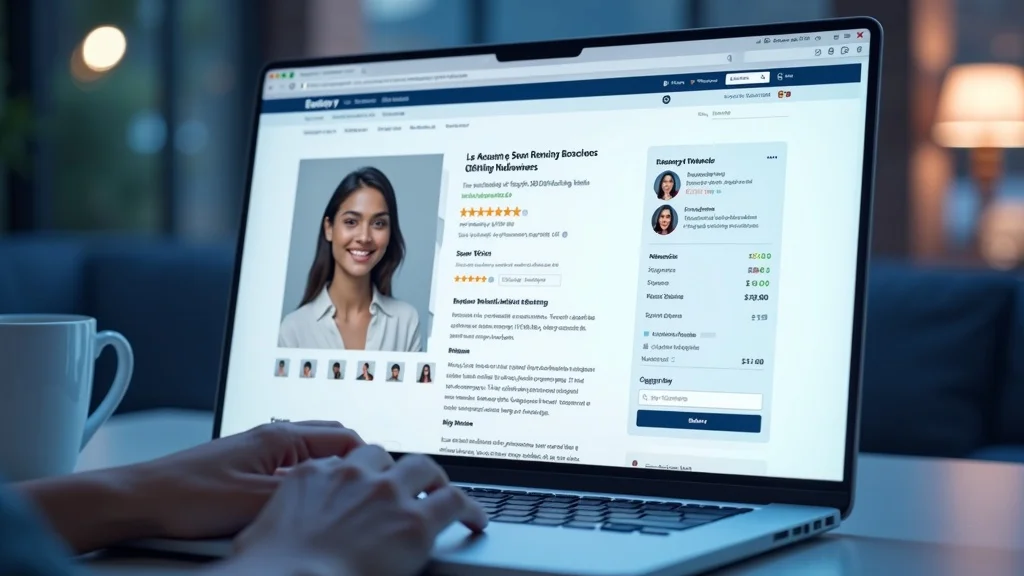
If your goal is to increase conversions, start where people hesitate. Test your landing page regularly—a process known as a cro test. Are calls to action clear and inviting? Does the page address customer concerns? Add social proof like customer reviews or testimonials on product pages, helping visitors feel confident in their choices. Optimizing every step of the journey can dramatically improve your conversion rate.
Improvements in user experience—faster load times, clear navigation, and reassurance—help visitors keep moving forward. On top of these, adding digital display ads and follow-up strategies ensures you remain visible even after a visitor leaves. Effective CRO is about understanding where your site visitors drop off, then guiding them back at the right time with helpful touchpoints and reminders.
Conversion Rate Optimization Tactics for Different Stages of the Customer Journey | ||
Stage of Journey |
Key Tactics |
Result |
|---|---|---|
First Visit |
Clear value, focused landing page, quick load! |
Higher initial interest |
Consideration |
Social proof, FAQs, live chat |
Reduced hesitation |
Leaving Without Buying |
Remarketing emails, digital display ads |
Return visits |
Returning Visitor |
Personalized offers, simplified checkout |
More conversions |
Watch how companies begin turning missed opportunities into measurable business growth through website lead recovery essentials.
Benefits of Focusing on Conversion Rate Optimization and Website Visitor Recovery
Top advantages of optimizing conversion rates and recovering lost website visitors
Make the most of existing website traffic.
Reduce dependency on new customer acquisition.
Improve return on investment from online advertising.
Build deeper customer engagement and trust.
Stay visible and relevant in a crowded digital space.
“The fastest way to grow is often to recover lost value, not just chase new leads.”

By focusing your energy on those who’ve already shown interest, you make every visit count. Not only does this strategy lower your costs and improve ROI, it also builds real relationships with customers who need multiple reminders before they buy. In a digital world overflowing with messages, showing up consistently—at the right time and place—can be the difference between being remembered and being forgotten.
Frequently Asked Questions About Conversion Rate Optimization
What is conversion rate optimization?
Conversion rate optimization is the process of improving a website to turn more visitors into customers by understanding and meeting their needs.
What is the difference between SEO and CRO?
SEO helps bring more visitors to your site, while CRO focuses on converting those visitors once they arrive. Both are essential for online success.
How to optimise conversion rate?
Test and improve landing pages, use clear calls to action, provide social proof, and ensure a smooth user experience.
Is 12% conversion rate on a website good?
A 12% conversion rate is considered excellent for most industries, but your average conversion rate should be compared to your specific field and goals.

View this video to see the most frequent CRO pitfalls—and learn how to sidestep them with practical, user-focused solutions.
Key Takeaways for Effective Conversion Rate Optimization
Most website visitors will not convert on their first visit.
Understanding buyer behavior is key to effective conversion rate optimization.
Website lead recovery, including retargeting and remarketing, can capture lost value.
Focus on improving website visitor experience and trust.
Use repeated visibility to increase customer engagement and conversion rates.
FAQs on Conversion Rate Optimization and Website Lead Recovery
How does conversion optimization differ from conversion rate optimization?
Conversion optimization is a broader term, while conversion rate optimization specifically aims to increase the percentage of visitors who take action.
What are common signs my website needs conversion rate optimization?
High website traffic but low conversions, poor landing page performance, and low engagement are key signals.
Why do some landing pages convert better than others?
Pages with clear value, trust signals, and easy navigation support higher conversion rates.
Moving Forward: Education First for Lasting Website Growth
Teach your team what affects customer decisions before investing in new technology.
Regularly review and optimize the customer journey on every landing page and product page.
Remember, recovering lost website visitors often delivers faster growth than chasing new ones.

Growth starts with understanding. The path to higher conversions is paved with insights about customer behavior, timing, and visibility—not just new technology or bigger budgets. Education is the real accelerator for long-term business success.
If you’re ready to take your website’s performance to the next level, consider exploring the broader strategies that underpin successful lead recovery and retention. The Website Lead Recovery Insights page offers a comprehensive look at advanced techniques, industry trends, and expert perspectives to help you retain more of your hard-earned traffic. By deepening your understanding of both the tactical and strategic sides of lead recovery, you’ll be better equipped to build a resilient, growth-focused online presence. Dive in to discover how a holistic approach can transform your website’s results and set your business apart in a competitive digital landscape.




Write A Comment