

Imagine you could turn every website visitor into a customer with a single click. The reality is, most people who land on your website leave without taking any action. Why does this happen, and what can you do about it? Understanding website conversion is the first step in turning lost opportunities into growth for your business. Let’s explore the journey of website visitors, the hidden reasons behind low conversion rates, and proven ways to recover leads you never knew you lost—all in simple, real-world terms you’ll remember.

“Imagine if every person who visited your website acted instantly—would your business look different?”
The Journey of Website Visitors: What Happens Before Website Conversion?
Every website visitor takes a unique path, but their digital journey tends to follow certain patterns. Before they ever click "submit" or "buy now," visitors are exploring, comparing, and deciding if you meet their needs. Few people convert the first time. Most will browse your landing page, scroll through your product or service details, perhaps check your social proof, and often leave without taking action. It’s not always a problem with your site—it’s a reflection of real human behavior online. Knowing this, the key is not just attracting more traffic but learning how to recover and re-engage those visitors after they’ve left. Understanding this journey is your first step toward effective website conversion.
As you think about your target audience, ask yourself: What happens from the moment someone discovers your business online to when they finally take action? Between distractions, competing offers, and everyday life, many opportunities slip away. By learning what customers do before converting and why they leave, you can design a better experience—one with fewer drop-offs and more meaningful interactions. The insights that follow will help you see your website through the eyes of your real visitors.
What You'll Learn
What website conversion means for your business
Why most website visitors don’t convert on the first visit
How customer behavior impacts website conversion rate
How to identify and recover lost website visitors
Strategies to improve site conversion and maximize website conversion rate
Understanding Website Conversion & Conversion Rate Optimization
Defining Website Conversion: The Basics

A website conversion happens any time a site visitor completes a desired action on your web page. This action could be filling out a lead gen form, signing up for a free trial, making a purchase, or subscribing to your newsletter. In simple terms, conversion transforms a passive visitor into an engaged lead or customer. Your whole website—especially your landing pages—is designed to guide people toward these actions. The percentage of visitors who convert is called your website conversion rate. Higher rates mean more leads or sales for the same amount of traffic, while lower conversion means wasted opportunities.
Think of it this way: the purpose of all your digital advertising, SEO, and outreach is to get people to your site. But website conversion is about what happens after they arrive. That’s why conversion rate optimization—making your site as friendly and persuasive as possible—matters just as much as generating traffic. Even small improvements here can have a major impact on your business growth and customer acquisition.
For a deeper dive into practical steps you can take to recover visitors who leave your site, explore the actionable strategies outlined in this guide to recovering lost website visitors. It covers proven methods to re-engage your audience and boost your overall conversion rate.
How Website Conversion Rate Reflects Your Business Health
Your website conversion rate is more than a metric—it’s an honest reflection of how effectively your site turns visitors into real customers. Businesses with strong conversion rates usually have clear messaging, visible trust signals, and a frictionless path to action. On the other hand, a low conversion rate often signals confusing instructions, weak calls-to-action, or a disconnect between what your target audience expects and what your page delivers.
Paying attention to your conversion rates helps you spot hidden issues in your user experience and landing page build. It’s where you can outsmart your competition: not by simply spending more on traffic, but by helping more visitors say "yes" to your offer. This is why tracking and improving your conversion rate should always be a top priority.
Why Website Conversion Matters More Than Just Traffic
Attracting a big audience is exciting, but more web traffic won’t help your business if visitors don’t convert. Think of your website like a shop window—traffic is just people walking by. What matters is how many actually come in and decide to engage, subscribe, or buy. Businesses sometimes get caught up in the numbers game of visitors, forgetting that the real goal is conversion. Focusing on conversion rate optimization means spending your resources where they matter most–maximizing the value you get from every visit.
This is what makes website conversion a smarter, more sustainable path to growth. If you can recover lost visitors and turn window shoppers into loyal customers, you’ll grow faster—without constantly chasing new traffic.
The Problem: Why Do Most Website Visitors Leave Without Converting?
Real-World Behaviors: Shopping, Deliberation, and Distracted Browsing

You’ve probably experienced it yourself: You open a website, browse a landing page, get distracted by a message or call, and close the tab without acting. This pattern is common—and it’s not due to lack of interest. People often shop, research, and compare across multiple tabs and devices before making a purchase or submitting a form. Life gets busy, attention shifts, and site visitors may intend to return but simply forget. This is why the vast majority of your website traffic leaves without converting. Understanding these human patterns is key to improving your conversion rates and recovering lost opportunities.
In lead gen and e-commerce, visitors almost always want to deliberate before acting. They may check reviews, compare alternatives, or simply pause to consider their options. Rarely does anyone jump from curiosity to commitment in one visit. Recognizing this helps you design better, more empathetic user experiences—and realize that "abandoned" visitors are not lost causes, just people going through a natural decision-making process.
Barriers to Conversion: Trust Signals, Social Proof, and Distractions
If your site lacks clear trust signals—such as testimonials, recognizable brand logos, secure payment icons, or other forms of social proof—website visitors are far less likely to engage. The absence of these elements leaves potential customers uncertain, causing them to exit instead of converting. But trust signals alone aren’t the whole story. Distractions, either from your website design (unnecessary popups, unclear navigation) or from outside (notifications, phone calls), can pull users away at the critical moment. Any friction or confusion in your site’s layout multiplies the loss.
Effective landing pages address these psychological hurdles directly. By clarifying your offer, making trust signals visible, and reducing external noise, you gently guide the visitor toward your conversion goal. Recognizing and fixing these common barriers is the first step in boosting your site conversion.
The Impact on Website Conversion Rate and Business Growth
Every visitor who walks away without converting is a hidden lost opportunity. Each time someone gets stuck or distracted, your business growth takes a hit—even if your traffic numbers look strong. Lower conversion rates mean you work harder for each lead or sale, increasing marketing costs and missing out on loyal customers. Addressing these pain points isn’t just about fixing numbers—it’s about understanding why people hesitate in the first place.
Improving your website conversion rate creates a more resilient, adaptive business. Instead of endlessly chasing fresh website traffic, you build a system that grows as you learn more about your real users—their path, needs, and obstacles. Here’s a practical look at common drops in the conversion journey:
Common Reasons Website Visitors Leave Before Converting | |
Reason |
How It Impacts Site Conversion |
|---|---|
Lack of trust signals |
Lower website conversion rate |
Unclear conversion goal |
Reduced site conversion |
Poor landing page design |
Higher bounce rates |
Distractions/interruption |
Lost opportunities |
“People rarely buy the first time — not because they aren’t interested, but because life gets in the way.”
Why This Happens: Customer Psychology & Online Behavior Explained
Short Attention Spans and Multi-Tab Habits Limit Website Conversion

Todays’ web users are experts at multitasking. It’s common for someone to have 10 open tabs, several apps running, and dozens of options competing for their attention. This digital overload means most site visitors don’t focus on one offer—or even remember which sites they visited by the end of the day. In this chaotic environment, even the best landing page can easily get lost in the shuffle, causing missed conversions and lower overall site conversion rates.
Short attention spans aren’t a reflection of your product’s value; they’re a result of how people interact with technology. Recognizing this challenge allows you to build sticky experiences—using reminders, retargeting, and social proof to bring people back and move them closer to conversion.
The Decision-Making Process: Research, Pause, Return
Customer decisions are rarely straightforward. Most research, compare, and think things over before acting, especially if it’s a major purchase or commitment. Your website might be just one stop on a visitor’s multi-day journey. After their first visit, people often pause—to do more research, talk with colleagues, or simply wait for the right moment. The problem is that many never return—unless you give them a reason or a reminder.
When you understand this pattern, your approach to website conversion naturally shifts. Instead of hoping for instant sales, you orient your website and marketing around customer journeys—making it easier for people to come back when they’re ready. This is where lead gen forms, educational content, and visibility through online advertising can help you capture more returning visitors and grow your business over time.
The Role of Trust Signals, Social Proof, and Brand Familiarity in Website Conversion
Trust is not immediate—it’s earned through repeated exposure and reassurance. Visitors respond positively to cues like customer testimonials, security badges, professional design, and recognizable brand names. These trust signals and social proof elements make people feel secure enough to take the desired action. When your site lacks these, people hesitate or click away.
Strong trust signals set you apart from scammy or fly-by-night competitors. Adding them to every touchpoint, especially landing pages, supports your conversion goal and shortens the decision-making cycle. Over time, familiarity builds confidence and increases the likelihood of conversion, even for first-time visitors who start as curious browsers.
Customer Behavior Explained: Why Website Conversion is a Journey, Not an Event
Mapping the Digital Customer Journey to Improving Website Conversion
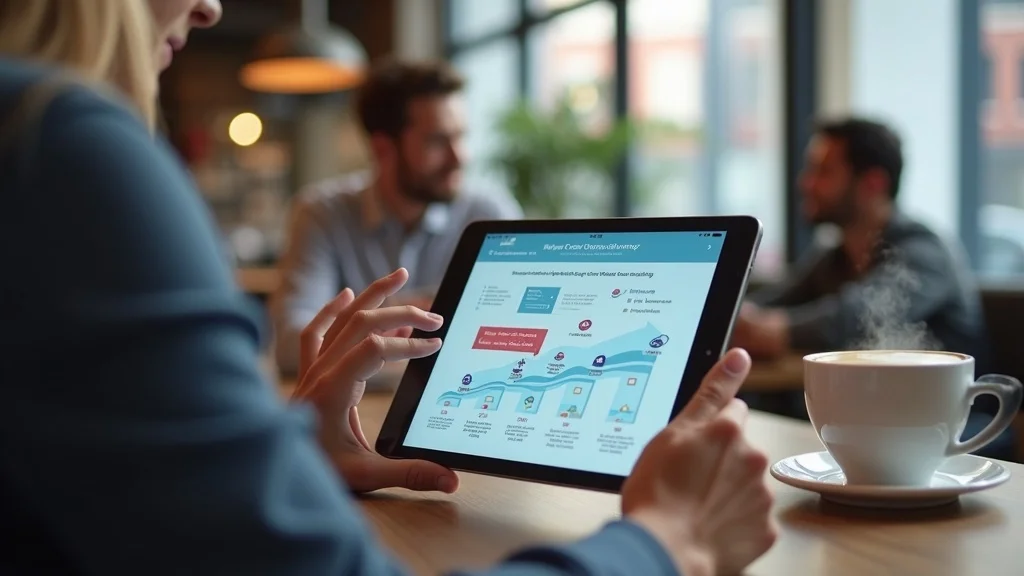
Think of website conversion as a journey, not a single event. Your visitors move through a series of stages—from discovering your brand, to exploring options, to finally taking action. At every stage, their needs and questions change. By mapping this digital journey, you see where most drop-offs occur and where small adjustments can have a big impact on website conversion rate.
Session replays and behavioral analytics tools can help uncover what real users do on your site. These insights make it possible to refine your experience—spotting bottlenecks, improving trust signals, and gently guiding people toward your business goals. Remember, every return visit is a chance to recover a lost opportunity and turn a browser into a buyer.
Stages of Engagement: First Impressions, Returning Visits, and Final Conversion
The first impression matters—a lot. Visitors decide in seconds whether to stay or leave based on your page’s layout, clarity, and relevance. But don’t expect commitment right away. Many will browse, leave, and come back later (sometimes from a different device). Each return visit increases trust and moves them closer to converting. Only after several exposures does the real decision happen, leading to that crucial moment of website conversion.
By understanding these stages, you can improve engagement at every level. Optimize landing pages for clarity and trust; follow up with gentle reminders or educational content; use analytics to see where visitors drop off. Step by step, you build a journey that helps more people become customers.
From Awareness to Decision—How Customers Move Through the Funnel
Awareness (discovery via digital display ads or Google Display Network)
Interest (exploring landing pages, reading reviews/social proof)
Consideration (trust signals and comparisons)
Action (website conversion: making the decision or purchase)
Why Timing Matters in Website Conversion
The Importance of Repeated Visibility and Retargeting

Timing is everything. Most of your website traffic leaves without converting simply because the moment wasn’t right. Repeated visibility—showing up again after someone has left your site—can make all the difference. This is where techniques like retargeting and remarketing come into play, allowing you to gently remind potential customers about your offer when they’re ready to act.
If you only get one shot to make an impression, your conversion goal is hampered by bad timing, not bad marketing. The more often people see your brand (especially on channels like display advertising or Google Display Network), the more familiar and trusted you become. Familiarity converts browsers into buyers and browsers into leads. That’s the secret behind many high-performing digital marketing campaigns.
Behavioral Advertising & Programmatic Advertising in Customer Engagement
Behavioral and programmatic advertising sound complex, but they’re simply smart ways to keep your brand visible to your target audience. They allow you to reach website visitors wherever they go online—through digital ads tailored to their interests and prior visits. This consistent, relevant presence increases the likelihood of website conversion by helping people remember your solution when they’re finally ready to decide.
For business owners, the lesson is that conversion doesn’t happen by chance. It’s a product of frequent, relevant engagement—meeting customers where they are, repeatedly, until the timing aligns for action. This is why investing in retargeting delivers such strong results, even for small businesses with limited budgets.
“Timing isn’t just everything — it’s the difference between a visitor and a customer.”
Trust Grows With Familiarity: Why People Rarely Convert On The First Visit
You can’t rush trust. Research shows that people rarely convert on their first site visit. Seeing your brand three, five, or even seven times builds the feeling of safety required for action. This is especially true for higher-value offers or when your brand is new to them. The “Rule of Seven” in marketing—a person needs to see your brand seven times before acting—is rooted in real user behavior, not theory.
By designing multiple touchpoints, using retargeting, and keeping your business top of mind, you steadily increase your website conversion rate—often more than any single redesign or campaign ever could. Here’s how that looks in practice:
How Timing Affects Website Conversion Rate | |
Scenario |
Website Conversion Outcome |
|---|---|
See brand once |
Low trust, low conversion |
See brand 3–5 times |
Greater trust, improved conversion rate |
Retargeted with offer |
Highest potential for conversion |
How Businesses Lose Website Opportunities: Where Website Conversion Fails
The Leakage Points: Where Website Visitors Drop Off

Even with great products, many websites leak opportunities at key points. Common “leakage points” include slow or confusing landing pages, forms that are difficult to fill out, and unclear next steps. These issues create friction, making it less likely for visitors to convert. When well-intentioned users pause or abandon a page build, businesses are often unaware of the missed potential unless they use session replay or analytics tools to spot exactly where and why people drop off.
Understanding drop-off points starts with empathy. Ask: Where does my conversion goal break down? Are the forms too long? Are trust signals missing? Are there external distractions? Regularly reviewing site analytics and session recordings can help you find and plug these leaks, recovering lost value and improving overall conversion rates.
Landing Page Pitfalls and Outdated Design
First impressions on a landing page matter tremendously for website conversion. Outdated design, slow load times, and unclear messages repel users before they even get started. Sometimes, even small design choices—like the placement of a call-to-action button or the clarity of your offer—cause visitors to hesitate. Other times, the page build might look great but fail to communicate why your offer is trustworthy and urgent.
Avoid lengthy, confusing forms and make sure every landing page clearly answers, "What should I do next?" and "Why should I trust you?" By fixing these pitfalls, you reduce bounce rates and boost conversion rate optimization in measurable ways.
Missed Signals: Not Setting Clear Conversion Goals
If your website doesn’t have a clear conversion goal, visitors can’t take the action you want—even if they’re interested. Whether it’s lead gen, e-commerce, or booking appointments, clarity is key. Many businesses try to do too much at once, creating clutter and conflicting messages that confuse visitors and reduce site conversion.
Instead, focus each page on one desired action. Use clear headlines, straightforward forms, and strong trust signals to guide visitors in the right direction. The more obvious your conversion goal, the easier it is for people to say "yes. "
How Lack of Session Replay and Analytics Can Hide Conversion Rate Problems
Without session replay tools or robust analytics, you miss out on understanding why visitors leave without converting. Analytics show where drop-offs occur; session replays reveal how real users interact with your site. Both are critical for spotting unseen pain points—like where visitors get stuck, what distracts them, or when technical glitches sabotage conversions. Over time, using these tools gives you a richer picture of your audience’s behavior and the steps needed to recover lost opportunities.
How Website Lead Recovery Helps Increase Website Conversion
Turning Lost Website Visitors Into New Opportunities

Every lost site visitor is a second chance. With website lead recovery, you shift your focus from acquiring brand new traffic to re-engaging those who already know you. Retargeting, remarketing, and display advertising are time-tested methods for bringing interested visitors back—providing gentle reminders and new reasons to take action.
When you recover lost website visitors, you reduce wasted spend, boost conversion rates, and extend the lifetime value of every customer you acquire. Website lead recovery isn’t about high-pressure tactics; it’s about smart, respectful engagement—showing up at the right time with a friendly nudge or new offer.
Website Visitor Recovery: Tools and Techniques Explained
Visitor recovery can include simple tactics like follow-up emails, retargeted ads, or personalized onsite reminders after a user leaves. Tools like analytics platforms and session replays help you see where users lose interest, so you can design better pathways that bring them back. Using display advertising on platforms such as the Google Display Network means your brand stays visible, gently encouraging users to return whenever the time is right.
The goal is clear: respect human behavior, work with it, and recover more value from traffic you’ve already earned—rather than starting from scratch with every sale or lead.
The Role of Retargeting, Remarketing, and Display Advertising
Retargeting and remarketing allow you to serve ads to people who have previously visited your website but didn't convert. Display advertising expands your reach and reinforces your message as people move across the web. By focusing on visibility, relevance, and timing, these strategies help you stay connected with your site visitors—transforming lost opportunities into measurable growth.
The Lasting Benefits: Grow Your Business by Focusing on Website Conversion
Reduce wasted website traffic
Improve lead generation from existing visitors
Build stronger customer relationships
Grow your business more efficiently
“It’s much smarter to recover website visitors than to find new ones. Your next customer might already know you.”
People Also Ask: Your Website Conversion Questions Answered
What is a website conversion?
A website conversion is when a visitor completes a desired action on your website—like submitting a form, contacting you, signing up, or making a purchase. It’s the moment a visitor becomes a lead or customer.
Is 12% conversion rate on a website good?
A 12% website conversion rate is considered high compared to most industries. Typical rates vary, but anything above 5% is often seen as strong performance. The right target depends on your industry and goals.
What is CRO vs SEO?
CRO stands for Conversion Rate Optimization—improving your website conversion rate by making it easier for visitors to take action. SEO (Search Engine Optimization) focuses on boosting traffic from search engines. Both work together for online growth.
What is a good website conversion?
A good website conversion is any action you want your visitor to take—buying, signing up, or contacting you. It means the website is successfully moving people toward your business goals.
Frequently Asked Questions About Website Conversion
How do I know if my website conversion rate is too low?
Can website lead recovery work for any industry?
Does design or content affect site conversion the most?
How does digital display advertising support website conversion?
What are the top three ways to boost conversion rate optimization?
Key Lessons Business Owners Should Know About Website Conversion
Most website visitors leave without converting, but that’s normal
Customer behavior explains conversion rate patterns
Trust, visibility, and timing matter more than clever tricks
You can recover lost website visitors through education and engagement, not pressure
Summary: Why Recovering Existing Website Visitors is the Smartest Growth Strategy
Emphasizing Customer Understanding Over Technical Solutions for Website Conversion
Website conversion isn’t about tricks or hacks—it’s about truly understanding how people think and behave online. When you see the journey from your customer’s perspective, you naturally design better paths and stop losing value from the visitors you already have.
Educational Takeaway: Every Lost Visitor is a Future Opportunity
The smartest growth doesn’t come from chasing new website traffic—it comes from recovering lost visitors and giving them second or third chances to convert. With every site conversion gained from existing traffic, your business grows smarter and stronger for years to come.
If you’re ready to take your website’s performance to the next level, consider exploring the full spectrum of lead recovery strategies available to modern businesses. By learning how to retain and re-engage 100% of your website traffic, you’ll unlock new growth opportunities and build a more resilient digital presence. The journey to higher conversion rates starts with understanding your visitors—and continues with the right tools and tactics to bring them back. Dive deeper into advanced recovery methods and discover how a proactive approach can transform lost opportunities into lasting business success.

Discover How to Retain 100% Of Your Website Traffic
Discover How To Retain 100% Of Your Website Traffic
https://websiteleadrecovery.com




Write A Comment