


Have you ever wondered why most website visitors leave without taking action, even if your site does everything right? Imagine a bustling digital storefront. Dozens of visitors come and go, but only a few ever buy, call, or subscribe. What really happens from the moment someone lands on your site to the minute you win (or lose) their interest? Let’s break down the online customer journey—and show how better understanding it can help you recover more leads than you thought possible.
What You'll Learn About the Customer Journey and Website Lead Recovery
How customers behave online at each customer journey stage
Why most website visitors leave and don't convert on their first visit
Which stages of the customer journey present lost opportunities
How business owners can recover and engage lost website visitors
Practical steps to create a better customer journey and increase leads
Introduction: Why the Customer Journey Matters for Website Lead Recovery
Observing the Online Customer Journey — From Visitor to Loyal Customer

"Most website visitors never become customers on their first visit — understanding their journey is the first step to recovery."
For most businesses, website traffic is easy to measure, but few people stop to ask: where do all those visitors go? Every click, pause, or scroll tells a story inside the customer journey. Recognizing how people move from curiosity to commitment—not just what they click—unlocks new ways to recover lost website visitors. It's not just about capturing attention. It’s about understanding behavior so you can guide more people closer to becoming loyal customers.
Introduction to website lead recovery and why understanding the customer journey is crucial
The impact of website visitor behavior on business growth
The Problem: Lost Website Visitors During the Customer Journey
Why Do So Many Website Visitors Leave Without Converting?

While website analytics tools track ‘visits,’ it's the customer journey—from the initial awareness to the decision point—that reveals a critical gap: most online buying journeys are cut short. People leave for different reasons. Maybe your offering isn’t clear. Maybe there’s too much information. Maybe they’re not ready to trust—yet. Each of these is a potential pain point that stops a visitor from moving forward. The truth? These dropped connections are rarely random. By looking at the journey map, business owners often discover specific moments where people lose interest or experience friction—costing them valuable leads.
Common reasons for customer journeys stalling or ending abruptly
Pain points within the customer journey that cause lost opportunities
Real-world example: A typical customer journey from discovery to exit
"If 98 of 100 website visitors leave without action, what does their customer journey tell us?"
Table: Drop-Off Points in the Customer Journey
Stage |
Common Behavior |
Lost Opportunity |
Recovery Method |
|---|---|---|---|
Awareness |
Visitor lands, quickly scans, and leaves |
Potential customer never learns about your offer |
Improve relevance; retarget with digital display ads |
Consideration |
Browses details, reads reviews, but hesitates |
Unanswered questions or doubts stall decision |
Use customer feedback to clarify content; add trust signals |
Decision |
Starts signing up or filling cart, then abandons |
High-intent leads drop out at the last step |
Follow up with targeted offers or reminders |
Retention |
Completed a purchase, but doesn't return |
Great customers don’t come back |
Segment and re-engage using behavioral advertising |
Advocacy |
Loves experience but never shares, reviews, or refers |
Missed referrals and viral growth |
Make sharing and feedback easy and rewarding |
Why This Happens: Understanding the Customer Journey Map
Mapping the Customer Journey and Identifying Challenges
What is a customer journey map? Think of it as a visual representation of every step a person takes with your brand—from their first glance to their last interaction. This map doesn’t just reveal where people come from; it shines a light on where and why they leave. By carefully mapping customer journeys, businesses can identify pain points—moments of confusion, doubt, or frustration that block conversion. These insights are invaluable, offering actionable insights for improving every stage of your website experience.
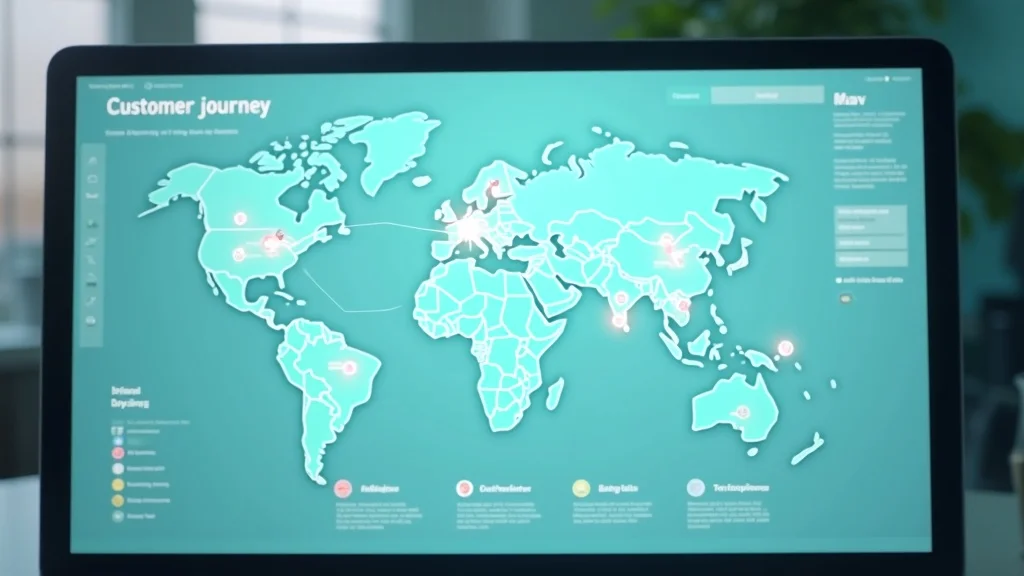
Definition of a customer journey map and its role in recovering leads
How journey maps reveal barriers to conversion
Customer feedback and behavioral observation as mapping tools
One of the most powerful ways to build this map is by gathering customer feedback and watching real-time visitor behavior. Notice where users pause, re-read, or click away. Consider adding video analytics or session replays. Combine these observations with feedback forms and live chat logs. Over time, your journey map grows from static theory into a living tool—helping you create a unified view of the entire customer journey. When business owners adopt journey mapping as a practice, they also unlock new opportunities for improvement and increased website conversion.
Customer Behavior Explained: Why Customers Don’t Buy the First Time
Key Behaviors Observed in the Online Customer Journey
Most website visitors behave just like you do when shopping or researching online. Short attention spans dominate today’s digital environment. With 50 tabs open and multiple notifications popping up, people scan instead of read and jump from site to site. Information overload is a major barrier—too many choices or unclear benefits can quickly confuse, delaying the buying journey. Many people simply pause their journey, intending to return later (but often never do). Recognizing these patterns is essential to recovering lost website visitors and creating a smoother flow through your customer journey map.

Short attention spans and information overload
How uncertainty and risk avoidance shape the customer journey
Why trust takes time to build online
Uncertainty is another invisible hurdle. Many visitors hesitate because they're worried about making the wrong choice or being let down. Trust online is earned slowly—through clear information, social proof, or repeated positive interactions. This is why repeated visibility—like seeing the same brand across social media, search, or digital display ads—makes such a difference. Over time, each positive touchpoint increases the odds that a visitor will return and eventually make a decision.
For those looking to dive deeper into actionable strategies for retaining more of your website traffic, you may find it helpful to explore additional website lead recovery insights that focus on practical methods for engaging and converting visitors at every stage of their journey.

Role of repeated visibility in customer engagement and acquisition
Behavioral advertising’s role in reminding and re-engaging visitors
Behavioral advertising—like retargeting or digital display ads—uses these insights to remind and re-engage past visitors in a helpful way. Instead of selling immediately, it simply keeps your business visible during the customer’s journey, often when they're ready to act. Understanding these natural behaviors is the first step in designing a website experience that works with, not against, how customers really think.
Why Timing Matters in the Customer Journey
The ‘Right Message, Right Moment’ Principle
The best websites don’t just deliver the right information—they deliver it at the right time. Each stage of the customer journey has a unique window when visitors are ready for the next step. If you move too fast, visitors feel pressured. If you’re too slow, they forget you. Timing explains why retargeting, behavioral advertising, and remarketing work—they reach people when the mind is most open to action, not when it’s distracted or overwhelmed.

How timing influences customer decision-making during the journey
Examples: When and why visitors convert or leave
For example, someone might discover your service at lunchtime but make the decision at night after thinking it over. Or, a visitor might need three or four reminders before finally subscribing or buying. Real-time insights—like observing when people read emails or see a social media ad—can help adjust the timing of your outreach. Responsive timing strategies, such as well-timed popups or digital display ads shown during key decision windows, often make the difference between a lost lead and a sale.
Retargeting and remarketing as responsive timing strategies
"If you want to change the customer journey, show up when your customer is ready."
How Businesses Lose Opportunities Across the Customer Journey
Missed Connections and Pain Points in the Customer Journey Map

Every pain point—whether it’s a confusing checkout process, lack of clear answers, or a slow website—creates friction in the customer journey. Sometimes, business owners focus so much on new visitors that they ignore the goldmine of people who’ve already shown interest. Overlooking returning visitors means leaving money on the table. The long-term effect compounds: as more website visitors quietly drop off, the return on your marketing platform investment shrinks.
What are pain points — and how do they break the customer journey?
Why most businesses overlook returning visitors
The compounding effect of losing website visitors on marketing platform ROI
Let’s look at a real example. A business spent months trying to attract new website traffic but saw stagnant growth. When they finally created a customer journey map, it revealed that most people left before learning key features of their product or service, often during the ‘Consideration’ stage. By improving messaging and gently following up on abandoned carts (instead of chasing new visitors), they saw a significant jump in lead generation. Not only did they increase sales, but the customer experience also improved—turning lost opportunities into loyal fans.
Case study: A business before and after mapping the customer journey
Journey mapping as a foundation for website lead recovery
How Website Lead Recovery Solves the Customer Journey Problem
From Mapping to Action: Recovering Lost Website Visitors

The first step to website lead recovery is mapping and understanding every stage of the customer journey. Once you know where—and why—people drop away, you can take practical steps to recover them. Start by segmenting your audience into customer personas, each with their own needs, fears, and decision styles. Use messaging that speaks directly to those personas, removing as much uncertainty and guesswork as possible. Examples include display ad reminders, helpful follow-ups, and offering valuable resources instead of a hard sell.
Strategies to recover lost website visitors based on customer journey insights
Best practices for segmenting customer personas and tailoring messaging
Digital display ads, behavioral advertising, and retargeting are powerful because they turn ‘lost’ visitors into warm leads. Instead of being forgotten, these people experience your business in different ways—on social networks, across the Google Display Network, or through timely reminders. By focusing your marketing platform on existing website traffic first, you multiply your chance of lead recovery—and make every visitor count.
Examples of digital display ads, behavioral advertising, and retargeting
Building a marketing platform focused on website lead recovery
Benefits of Understanding the Customer Journey for Website Lead Recovery
Long-Term Payoffs for Businesses
When you master the customer journey, everything changes. The experience your customers have is smoother and more positive, thanks to fewer friction points and smarter, timely messaging. Businesses that integrate customer feedback into their maps see a steady rise in lead generation and customer conversion rates. Over time, these improvements cost much less compared to endlessly chasing cold prospects. Even better, your most engaged visitors are more likely to return, refer others, and build lasting brand loyalty.

Improved customer experience and customer feedback integration
Greater website conversion and lead generation
Lower customer acquisition costs compared to chasing cold traffic
Increased customer engagement and brand loyalty
Real business case studies show: those who focus on mapping and recovering visitors enjoy better engagement from their marketing teams, more insights from their analytics, and compounding growth over time. By understanding the customer journey and acting on what your journey map reveals, you’re always one step ahead of the competition—and building a business that welcomes every visitor back.
"Understanding your customer journey is the key to turning lost visitors into loyal customers."
Frequently Asked Questions — Customer Journey, Lead Recovery, and Online Behavior
What are the 5 main points of a customer journey?
Awareness
Consideration
Decision
Retention
Advocacy
What is the customer journey?
The customer journey is the complete experience a visitor has with your brand, from first discovering your website to becoming a repeat customer.
What are the 5 stages of the customer journey?
Awareness, Consideration, Decision, Retention, Advocacy — each reflects key steps in moving a website visitor to a loyal customer.
What are the 5 A's of the customer journey?
Aware, Appeal, Ask, Act, Advocate — a model that describes how customers interact with your business online.
Lists: Tips for Improving Your Customer Journey and Website Lead Recovery
Map your current customer journey to find friction points
Use customer feedback to refine website experiences
Implement retargeting and behavioral advertising thoughtfully
Test multiple approaches to timing and messaging
Review and update your marketing platform regularly using journey maps
Key Takeaways From Website Lead Recovery and the Customer Journey
Most website visitors don’t convert on the first visit — the customer journey explains why
Understanding behavior and timing in the customer journey unlocks new growth
Mapping journeys and recovering lost website visitors can boost lead generation and customer experience
Website Lead Recovery builds on behavioral insights, not just technology
Conclusion: Transform Your Business by Mastering the Customer Journey
The customer journey is not a mystery—it’s a map to business growth
Recognizing pain points and recovering lost opportunities leads to sustainable success
Start by observing how your customers behave—and teach your team to do the same
Ready to take your understanding of website lead recovery to the next level? Discover a comprehensive approach to retaining 100% of your website traffic by exploring the latest strategies, case studies, and expert perspectives on Website Lead Recovery Insights. This resource offers a broader look at how businesses can transform their digital presence, optimize every touchpoint, and build a sustainable pipeline of engaged leads. Whether you’re refining your customer journey map or seeking advanced tactics for long-term growth, these insights will help you unlock new opportunities and maximize the value of every visitor. Dive deeper and empower your team to create a truly resilient online strategy.


Write A Comment